
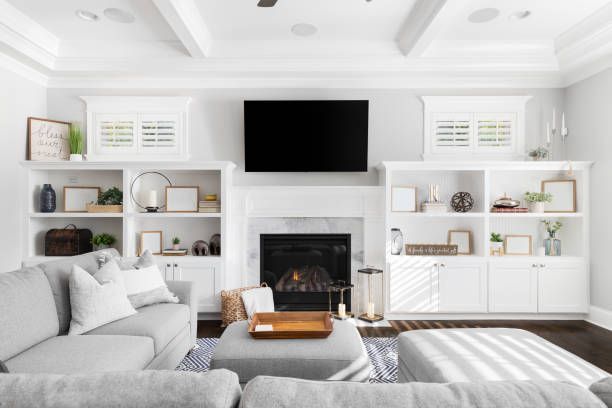
Wall Unit Disassembly, Moving, and Reassembly Services
Expert Wall Unit Disassembly and Moving Services That Protect Your Home
Many homeowners underestimate just how complex wall unit removal really is. Unlike standard furniture, wall units are often anchored into studs, bolted to floors, or built directly into surrounding trim and cabinetry. Attempting to remove them without experience frequently results in gouged drywall, cracked panels, stripped hardware, and structural damage that is expensive to repair.
These mistakes do not just cost money. They also cause serious delays during moves and renovations, create unsafe structures, and often leave cabinetry too damaged to reassemble. Fortunately, Dismantle Furniture specializes in professional wall unit disassembly, safe removal and transport, and precise reassembly at your new location. We serve Maryland, Washington DC, Delaware, Pennsylvania, and Northern Virginia. Request a free quote today and let our team handle every step.
How to Safely Remove a Wall Unit Without Damaging Walls, Floors, or Cabinets
Safely removing a wall unit requires emptying every shelf, locating all anchor points, cutting any caulk or paint seals, and carefully releasing hardware before applying any force. Rushing any one of these steps leads to torn drywall, snapped panel joints, and broken cabinet frames.
Professional dismantlers begin by mapping every point where the unit is attached to the wall or floor. They use scoring tools to break paint and caulk seals cleanly. Then they remove anchors and screws in the proper sequence so that each section stays structurally supported as adjacent components are lifted away.
Wall protection matters just as much during the process. Moving blankets, floor runners, and foam padding are positioned before any piece is lifted. This prevents scratches, dents, and impact damage to surfaces throughout the room. You can also review our furniture disassembly for moving guide for a deeper look at how professionals approach large furniture removals.
What Makes Wall Unit Disassembly Different from Regular Furniture Removal
Wall unit disassembly is fundamentally different from standard furniture removal because these units are structurally integrated into the home. They are rarely freestanding, and they often share attachment points with drywall, studs, baseboards, and floor trim.
Standard furniture sits on the floor and can typically be carried or slid out. Wall units, by contrast, are anchored systems. Removing them incorrectly can pull sections of drywall away from studs, crack molding, or leave anchor bolts partially embedded in the wall surface.
Additionally, wall units often consist of multiple interlocking panels, bridges, and integrated components that must be disassembled in a specific order. Reversing that order or forcing components apart causes irreversible damage. The weight distribution across a full unit can also exceed several hundred pounds, which means improper handling poses a physical safety risk as well. Many large modular systems, such as those from IKEA's BESTÅ wall-mounted collection, require precise panel sequencing during both removal and reinstallation.
Can You Move a Wall Unit Without Taking It Apart? (When Disassembly Is Required)
Most full-size wall units cannot be moved intact. Disassembly is required whenever a unit exceeds door or hallway clearance, when it is anchored to structural surfaces, or when its dimensions make transport without breakage impossible.
There are limited cases where a small freestanding bookcase or open shelving unit can be moved whole if doorways are wide enough and the unit is not wall-mounted. However, for most built-in wall units, entertainment centers, and modular cabinet systems, attempting to carry them whole through a standard doorway or stairwell results in immediate frame damage.
Disassembly is also necessary when floors or walls need to be renovated beneath or behind the unit. In these situations, removing the unit in sections is the only way to protect both the unit and the surrounding structure. If you are planning a move in the DC area and wondering about your specific configuration, our resource on moving a sofa and wall unit disassembly in DC covers this in detail.
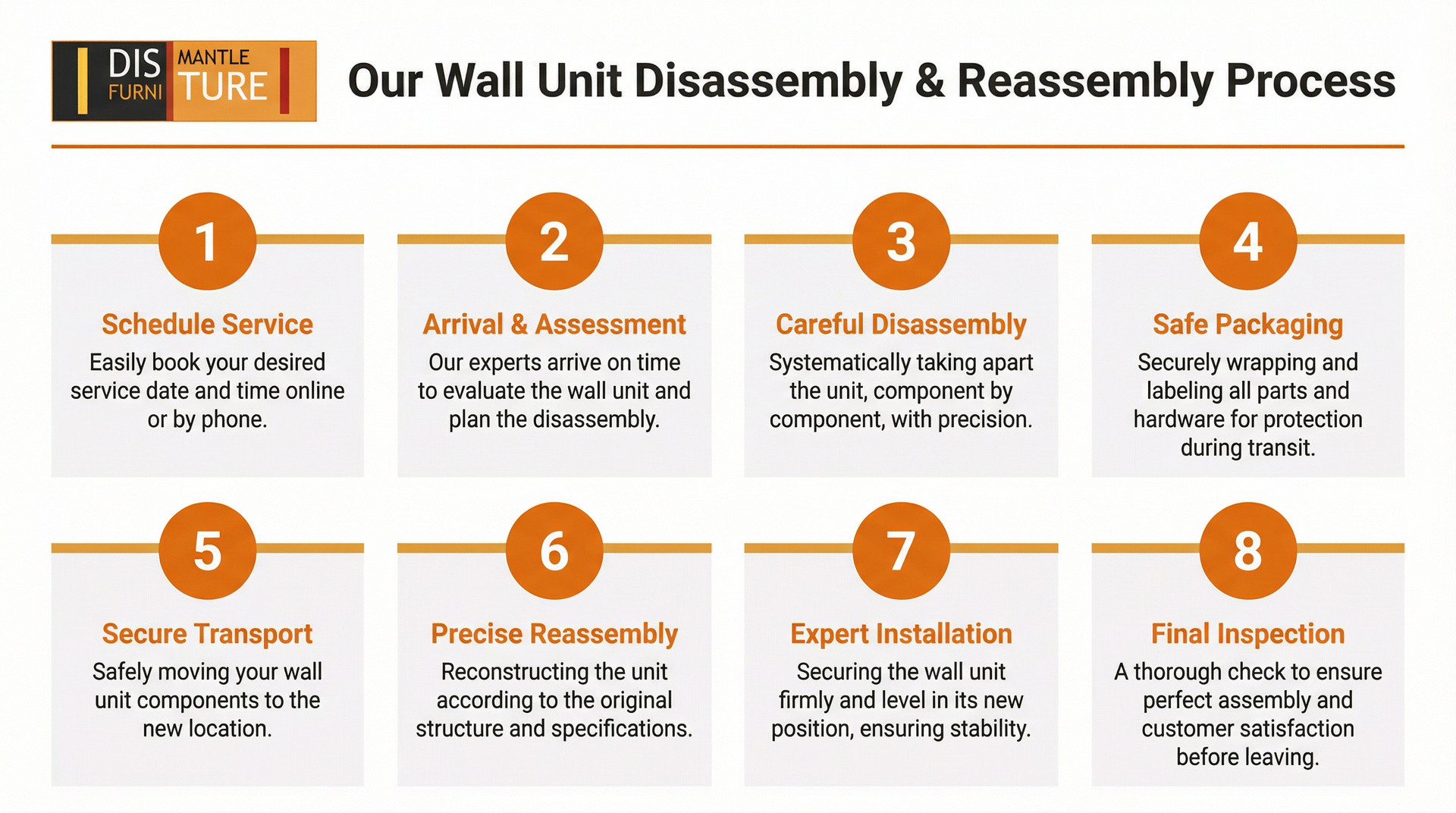
Our Wall Unit Disassembly and Reassembly Process
Our wall unit disassembly process follows a structured sequence that protects every component from the first step through final reinstallation.
- Site assessment: We evaluate the unit, wall anchoring method, floor clearance, and exit path before any tools are used.
- Surface protection: Floor runners, moving blankets, and padding are positioned throughout the work area.
- Component labeling: Every panel, shelf, door, and hardware piece is labeled or photographed to ensure accurate reassembly.
- Seal cutting: Caulk, paint bonds, and adhesive edges are scored cleanly to prevent drywall tearing.
- Anchor release: Screws, bolts, and wall anchors are removed in the correct sequence to maintain structural support.
- Panel removal: Individual sections are carefully detached and set aside without stacking or pressure that could cause cracking.
- Transport preparation: Components are wrapped and loaded in a sequence that prevents shifting and contact damage during transit.
- Reassembly and leveling: At the destination, all components are reinstalled in the correct order, secured to wall studs, and checked for level alignment.
This consistent process is what separates professional wall unit disassembly services from general moving labor.
How We Protect Your Walls, Flooring, and Built-In Structures During Removal
We protect walls, flooring, and adjacent built-in structures by using purpose-specific tools and non-abrasive materials at every stage of the removal. No pry bar ever contacts a finished wall surface without a protective buffer in place.
Before removal begins, we lay down floor protection across all traffic areas. We use utility knives and scoring tools rather than blunt force to separate caulk lines. When releasing wall anchors, we use controlled extraction techniques that leave the surrounding drywall intact. Any pilot holes or anchor points left behind are noted so they can be addressed before painting or refinishing.
We also take care to protect baseboards, crown molding, and adjacent trim that surrounds many wall units. These elements are often the most vulnerable during removal and are frequently overlooked in DIY attempts. Our careful approach means your renovation or move proceeds without adding unexpected repair costs.
Wall Unit Moving and Relocation Services for Homes, Apartments, and Offices
We provide wall unit moving and relocation services for residential homes, apartments, condominiums, and commercial office spaces throughout Maryland, Washington DC, Delaware, Pennsylvania, and Northern Virginia.
Whether you are relocating within the same building or moving across the region, our team handles the full process from disassembly through delivery and reinstallation. Cities we regularly serve include Baltimore, Rockville, Bethesda, Arlington, Alexandria, Wilmington, and Harrisburg.
For apartment and condo moves, narrow hallways, elevators, and stairwells require additional planning. Our team accounts for these constraints during the site assessment so there are no surprises on moving day. For those comparing service options, understanding how much movers cost in Baltimore, MD can help set realistic budget expectations before you reach out for a quote.
Office relocations also present unique challenges. Large wall-mounted shelving systems and built-in storage units in commercial spaces often require careful coordination to minimize disruption. Our team works around your schedule to keep operations running. For more on maintaining business continuity during furniture moves, see this resource on office furniture setup without disruption in the DMV area.
Do You Reinstall Wall Units in a New Location or After Renovation?
We reinstall wall units at new locations and after renovations. Our reassembly services include wall anchoring, leveling, hardware reattachment, and component alignment to restore the unit to full function.
Reassembly at a new location requires identifying proper stud placement, confirming wall material, and selecting the correct anchor hardware for secure installation. We do not simply position panels against a wall. We anchor each section the way it was designed to be mounted, ensuring long-term stability.
After renovations, wall units sometimes need to be reinstalled on freshly finished drywall, tile, or paneling. In these cases, we coordinate with your timeline to ensure the reinstallation happens after all surface work is complete. This protects both the new finishes and the unit itself.
Common Problems After DIY Wall Unit Removal (And How We Fix Them)
The most common problems after DIY wall unit removal include torn drywall, missing or stripped hardware, broken panel joints, and components that no longer align during reassembly. These issues are preventable with professional help but are often costly to repair afterward.
Torn drywall typically results from anchors being pulled out rather than properly extracted. Hardware that is stripped or lost during a rushed disassembly often means components cannot be reinstalled correctly. Broken panel joints occur when sections are forced apart without releasing internal fasteners first.
We regularly help clients recover from failed DIY removals by repairing loose joints, sourcing replacement hardware, and reassembling units that were incorrectly taken apart. If you have already attempted removal and encountered problems, there are clear reasons to call professional furniture dismantlers rrather than continuing on your own.
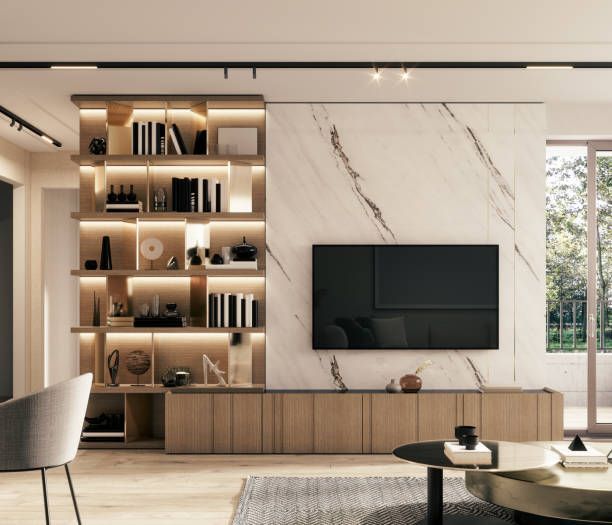
Types of Wall Units We Handle
We handle a wide variety of wall unit configurations across residential and commercial settings.
- Built-in wall units: Custom or contractor-installed units anchored to wall studs, including full-wall library shelving and integrated storage systems.
- Entertainment centers: Freestanding and wall-anchored media consoles, TV wall units, and multi-component AV systems. For guidance on the complexity of these systems, this ultimate guide to entertainment center setup illustrates why professional disassembly matters.
- Modular cabinet systems: Flatpack and modular units from major furniture brands that require careful panel sequencing during both removal and reinstallation.
- Custom cabinetry: Builder-grade and custom cabinet arrays that are nailed, screwed, or glued to wall framing.
- Home office wall systems: Integrated desk and shelving units in residential offices and commercial workspaces.
- Retail and display shelving: Commercial shelving walls used in retail environments and showrooms.
- Bedroom wall units: Wardrobe systems, headboard walls, and integrated bedroom storage.
If your unit type is not listed, contact us. We also handle specialty and oversized configurations. For general context on large furniture assembly and disassembly in small or complex spaces, this guide to assembling large furniture in small spaces offers useful framing.
Many customers also ask about shelf-style wall units from retailers like Ashley Furniture's wall shelf collection, and we handle those as well. You can explore additional service types and providers through resources like bookcase and shelving services and disassembly and relocation specialty services to understand the range of what professional dismantling involves.
Why Hire Dismantle Furniture for Wall Unit Disassembly and Moving
Dismantle Furniture is a dedicated furniture dismantling company with years of experience serving Maryland, Washington DC, Delaware, Pennsylvania, and Northern Virginia. We specialize exclusively in disassembly, moving, and reassembly, which means our technicians bring focused expertise rather than general moving labor to every job.
We offer same-day and emergency wall unit disassembly services for urgent situations. We provide free estimates with no obligation. Every job is handled with surface protection, proper tools, and a documented component labeling system to ensure nothing is lost or misassembled.
Our clients include homeowners, renters, real estate professionals, interior designers, office managers, and property managers across the region. We handle projects of all sizes, from a single entertainment center to full wall-length built-in cabinet systems. You can explore our full range of professional dismantling solutions on our services page. For additional guidance on what sets dedicated dismantling professionals apart from general assembly services, see this resource on TV mounting and setup by specialized technicians.
When you hire Dismantle Furniture, you get a team that treats your wall unit and your home with the same care you would expect from a specialist, not a generalist.
Get a Fast Quote for Wall Unit Disassembly and Reassembly Services
Dismantle Furniture serves homeowners, renters, and businesses across Maryland, Washington DC, Delaware, Pennsylvania, and Northern Virginia. Whether you are preparing for a move, a renovation, or a full room reconfiguration, our team is ready to handle your wall unit disassembly, transport, and reinstallation from start to finish.
We offer free estimates, same-day availability, and a proven process that protects your walls, floors, and cabinetry at every stage. Our service areas include Baltimore, Rockville, Bethesda, Arlington, Alexandria, Wilmington, Harrisburg, and surrounding communities throughout the region.
Do not risk wall damage, broken panels, or a failed reassembly by attempting removal on your own. Let our specialists take over so your move or renovation stays on schedule and on budget.
Get your free wall unit disassembly quote today and schedule service at your convenience.
Frequently Asked Questions About Wall Unit Disassembly and Moving
How long does it take to disassemble a wall unit?
Most standard wall units take between one and three hours to fully disassemble, depending on the size, number of components, and how securely the unit is anchored. Larger built-in wall systems or multi-section entertainment centers may take longer, especially if caulk seals and wall anchors require careful extraction.
Will wall unit disassembly damage my walls?
Professional wall unit disassembly does not damage walls when the correct tools and techniques are used. Technicians score caulk lines, use controlled anchor extraction methods, and protect surrounding surfaces throughout the process. DIY removal is where wall damage most commonly occurs due to improper tools or forced panel separation.
Can you disassemble a wall unit that was built into the home by a contractor?
Yes. We handle contractor-built and custom-installed wall units, including those nailed or screwed directly into wall framing. These require additional assessment to identify all attachment points before removal begins, but they are well within our standard service scope.
Do you provide wall unit reassembly after a move?
We provide full wall unit reassembly at the destination, including wall anchoring, component alignment, leveling, and hardware reinstallation. We use labeled components and reference photographs taken during disassembly to ensure accurate reinstallation.
What should I do to prepare before your team arrives?
Empty all shelves, drawers, and cabinets completely before our team arrives. Remove any decorative items on or near the unit. If possible, clear a path from the unit to the exit point in your home. Our team handles all tools, surface protection, and disassembly from that point forward.
Do you service areas outside of Maryland and Washington DC?
Yes. We serve Maryland, Washington DC, Delaware, Pennsylvania, and Northern Virginia. Specific cities include Baltimore, Rockville, Bethesda, Arlington, Alexandria, Wilmington, and Harrisburg, along with surrounding areas throughout each region.
Is it worth hiring professionals for a single wall unit?
Professional wall unit disassembly is worth the cost even for a single unit. The risk of wall damage, broken cabinetry, or a failed reassembly far outweighs the service fee, particularly for custom or built-in units that cannot be easily replaced.