IKEA Furniture Disassembly and Reassembly Service Cost and What to Expect
IKEA furniture disassembly and reassembly cost usually depends most on the size of the piece, how much hardware it has, how difficult the access is, and how long safe labor will take. Professional service should also include organized parts handling, protection for panels and rails, and a clear plan for moving the furniture back together without damage.
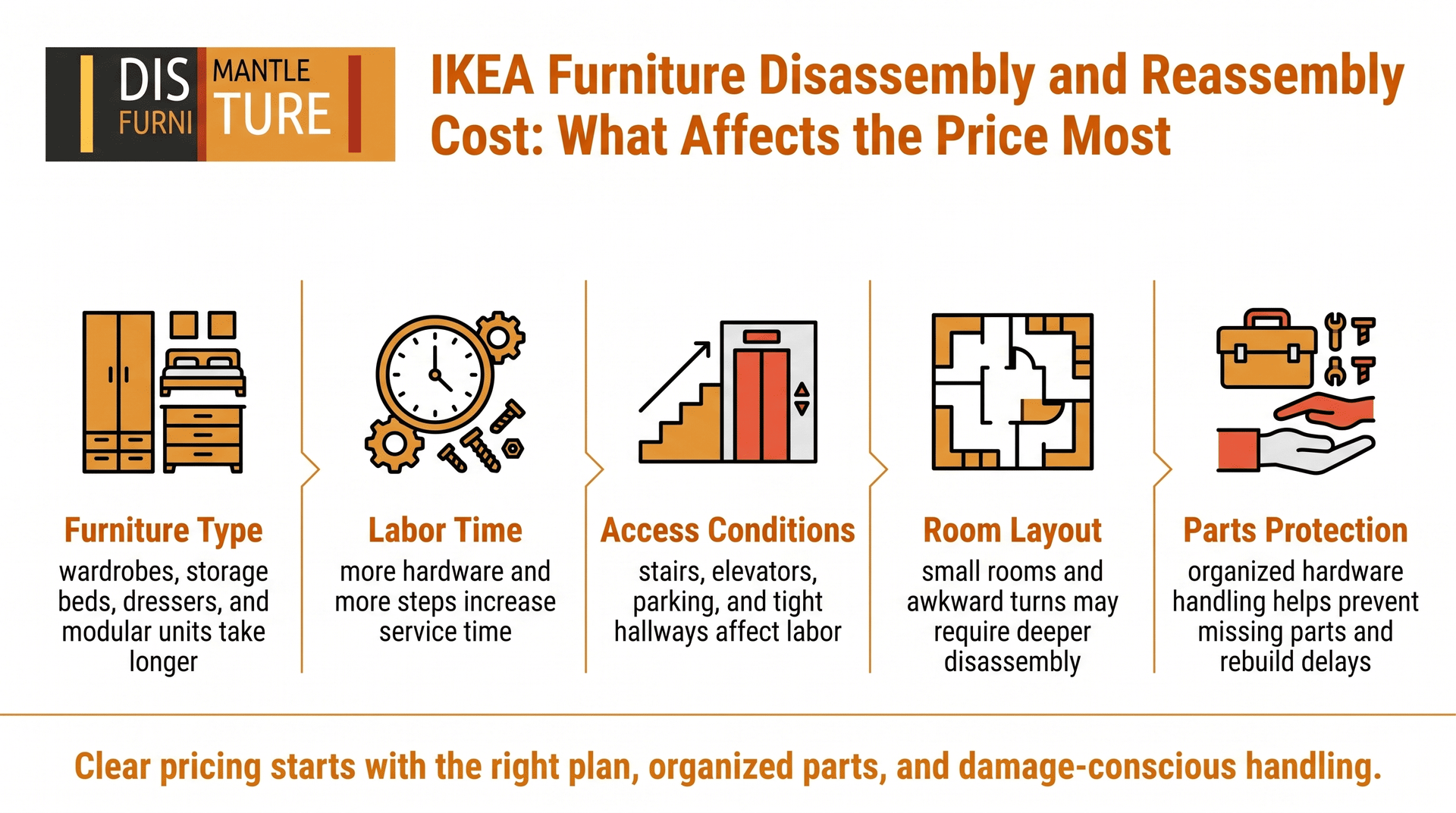
- Large wardrobes, storage beds, drawer units, and modular systems usually cost more because they take longer to break down and rebuild
- Stairs, elevators, narrow hallways, parking limits, and tight room layouts can increase labor time even when the furniture looks simple
- Good service includes labeling hardware, separating parts by item, and keeping the rebuild process organized from start to finish
- Apartment moves, room-to-room changes, storage moves, and full-home relocations can price differently because the handling demands are not the same
- Professional handling helps reduce stripped screws, chipped panels, missing hardware, and unstable reassembly
IKEA furniture is often easier to buy than it is to move. A bed frame that fit perfectly during assembly can suddenly feel impossible to remove from a bedroom, and a wardrobe that looked manageable in place may need a full breakdown just to clear a hallway corner. That is where costs start to shift. Furniture type, access conditions, labor time, and the chance of missing parts or panel damage all affect the job.
If the move also includes storage, room changes, or apartment access restrictions, the work becomes even more technical. Professional service solves that problem by handling disassembly, parts organization, safe transport prep, and correct reassembly in a way that protects the furniture and lowers stress during a move or home reset.
What Affects IKEA Disassembly and Reassembly Cost Most
The biggest factors are furniture complexity, labor time, building access, and the condition of the item before work begins. IKEA furniture may look simple once assembled, but pricing usually rises when a piece has many fasteners, large panels, delicate finishes, or a layout that makes safe disassembly harder.
Labor and hardware load
A basic side table and a large wardrobe are never priced the same way because the labor is completely different. More doors, drawers, backing panels, rails, and connector points mean more steps and more chances for damage if the job is rushed.
Common cost drivers include:
- Overall size and weight
- Number of drawers, shelves, or doors
- Type of hardware and connection points
- Whether the piece has been moved before
- Distance between rooms, truck, or storage unit
That is why many homeowners and renters choose professional furniture disassembly instead of trying to force large flat-pack pieces through tight spaces.
Age and condition matter
Older IKEA pieces can take longer because hardware may already be worn, cam locks may be loose, and particleboard edges may be more vulnerable. A piece that was assembled incorrectly in the past can also require extra correction before it can be safely rebuilt.
How Is IKEA Furniture Service Pricing Usually Structured
IKEA furniture service pricing is usually based on the amount of labor involved, the number of pieces, and the difficulty of the work in the actual space. Some jobs are quoted per item, while others are priced around expected time because access, storage handling, or multi-stop moves can change the workload.
Furniture disassembly and reassembly pricing means the cost of taking furniture apart in a controlled way, organizing every usable component, protecting the materials, and putting the piece back together so it functions correctly. It is not just a charge for unscrewing parts.
How companies usually quote the work
Most service pricing falls into one of these categories:
- Single-item or per-piece pricing for straightforward jobs
- Labor-based pricing for multi-piece or complex projects
- Expanded pricing for moving, storage, or delayed reassembly
- Access-based adjustments for stairs, elevators, or parking restrictions
In apartment buildings and dense city areas, job conditions often matter as much as the furniture itself. That broader pattern is similar to what many customers see in DMV furniture service pricing expectations, especially when parking and building access are part of the labor equation.

Which IKEA Pieces Take More Time and Labor to Handle
The most labor-intensive IKEA pieces are usually wardrobes, storage beds, multi-drawer dressers, bunk beds, shelving walls, and desk systems with add-ons. These items take more time because they involve more hardware, more panel alignment, and more careful handling to avoid weakening the structure during take-apart and reassembly.
A quick review of the IKEA product catalog shows how broad the flat-pack category really is. Bedroom sets, closet systems, storage units, shelving runs, and home office furniture all fall under the same brand, but they do not require the same amount of labor.
High-labor furniture categories
These IKEA pieces tend to cost more to handle:
- Tall wardrobes and closet systems
- Bed frames with storage or slats
- Dressers with multiple drawers and rails
- Large bookcases and wall storage combinations
- Desks with hutches, drawers, or adjustable components
The handling differences make sense when you consider how wide the furniture and fixtures category is across household, office, shelving, and storage products. One label covers many very different structures.
Bedroom and office setups
Bedroom sets often take longer than customers expect because the bed, dresser, mirror, nightstands, and closet pieces all have to be managed as one coordinated job. That is why some families compare the work to a professional bedroom furniture assembly project rather than a single-item service.
The same is true in home offices. IKEA-style desks, shelving, and sit-stand systems may look straightforward, yet expert installation for retail office brands becomes more valuable when motors, leveling, and daily-use stability matter.
Can Moving Access and Room Layout Change the Final Cost
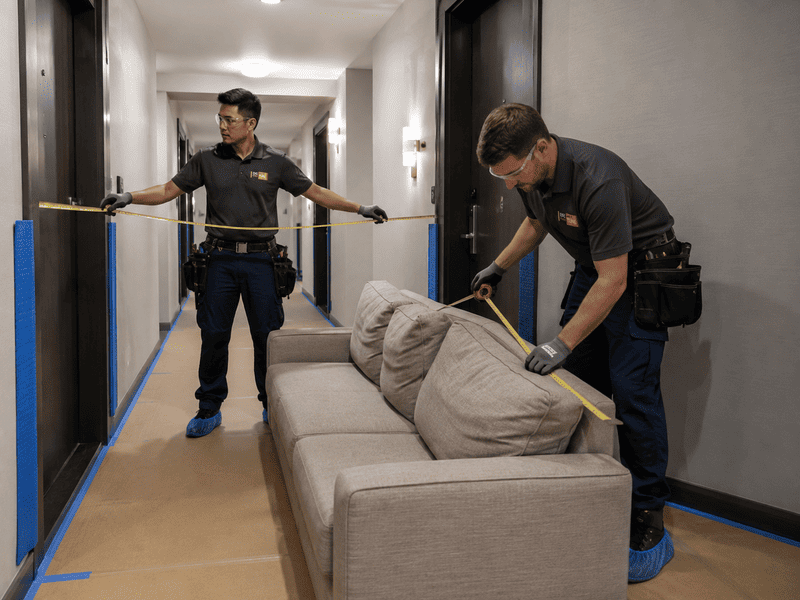
Moving access and room layout can change the final cost because they directly affect labor time, safety, and the amount of disassembly required. A simple dresser in an open first-floor room is much faster to handle than that same dresser in a narrow upper-floor bedroom with sharp stair turns.
Access issues that increase labor
Several site conditions commonly push costs up:
- Tight stairwells and narrow hallway corners
- Elevator reservations or loading dock schedules
- Long carrying distances from parking to the unit
- Small bedrooms with limited floor space for tools
- Low ceilings or wall obstacles around tall furniture
This is especially common in apartments, condos, and townhouses. A wardrobe move in Bethesda may be simpler than the same job in a walk-up building in Washington DC or an older rowhome in Baltimore.
Planning ahead reduces surprises
Measurements matter more than many people realize. Reviewing pathways, door clearance, and final furniture placement in advance, along with practical prep from a furniture disassembly for moving guide, helps reduce surprise labor and service-day delays.
What Should You Expect on Service Day
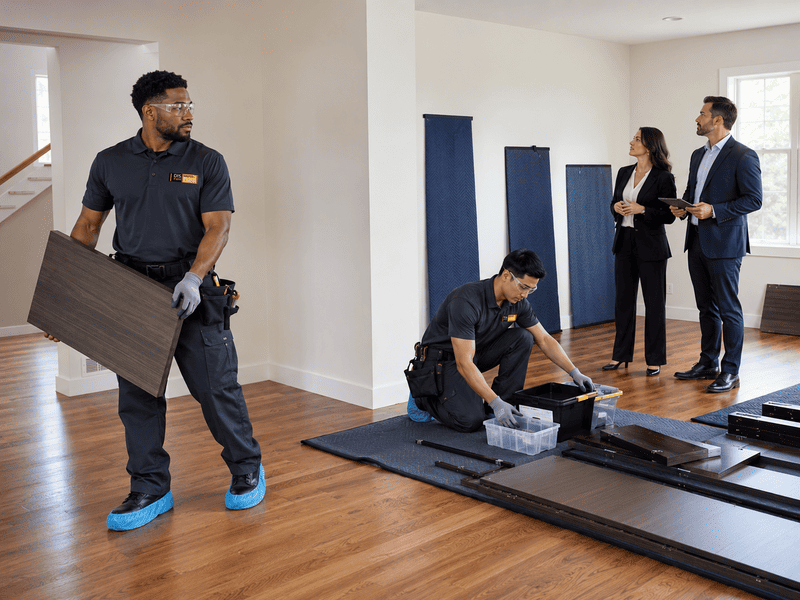
On service day, you should expect a clear sequence: walkthrough, furniture review, safe disassembly, organized hardware handling, protective preparation, and correct reassembly in the destination room. The process should feel methodical, not rushed, because flat-pack furniture is more likely to suffer damage when the work becomes improvised.
How the appointment usually starts
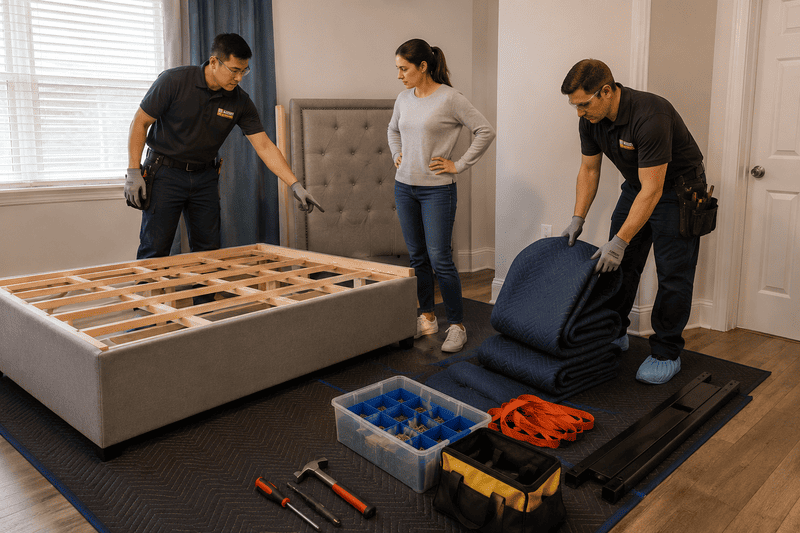
Most jobs begin with confirming which items are being handled, checking access conditions, and spotting any wear that already exists. From there, the crew stages tools, creates working space, and starts with the furniture that poses the greatest access or labor challenge.
What happens during the job
For apartment moves, townhouse relocations, room-to-room changes, and storage moves, customers often need more than simple take-apart help. They need a team that can manage the whole transition. That is why many choose full-service furniture disassembly and reassembly for moving and storage, especially when the project includes multiple pieces or delayed rebuilding after storage.
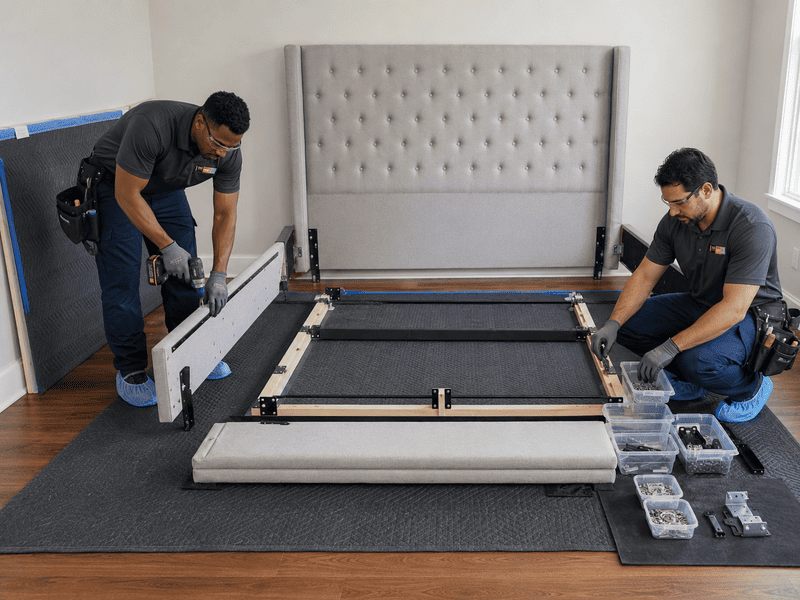
Once the furniture reaches the final room, proper reassembly matters just as much as safe breakdown. Customers planning a rebuild after transit often look at IKEA furniture assembly support because the end goal is not just moving the piece, but restoring it correctly.
How Do Professionals Keep IKEA Parts Organized During the Job
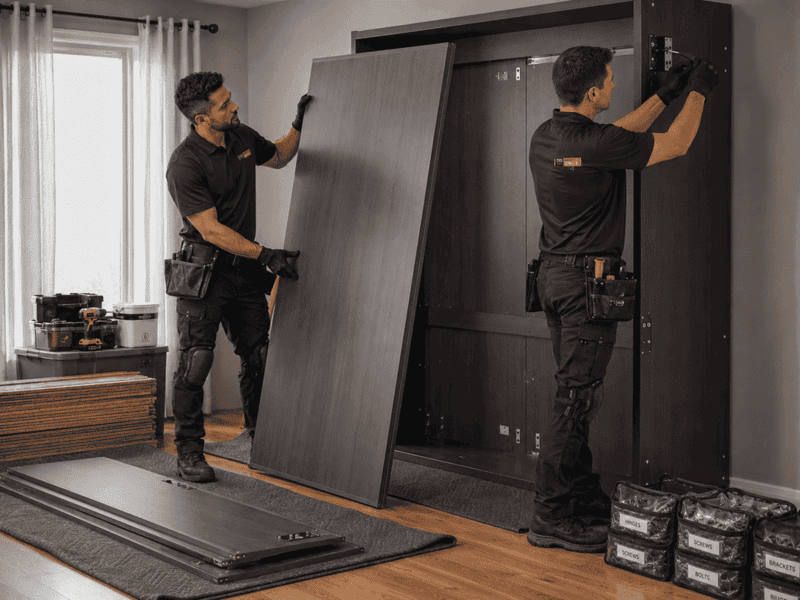
Professionals keep IKEA parts organized by separating hardware by furniture piece, labeling bags clearly, documenting orientation during takedown, and protecting panels as soon as they come apart. That system saves time during reassembly and reduces the chance of lost screws, mixed rails, or incorrect rebuild order.
The basic organization system
A strong parts system usually includes:
- Individual hardware bags for each furniture item
- Labels for bolts, cams, rails, and brackets
- Photos or notes for panel order and orientation
- Protected stacking for shelves, doors, and side panels
- Matching hardware back to the exact item during rebuild
This is especially important during bedroom moves, storage transitions, and full-home relocations where multiple flat-pack pieces are handled at once.
Why it matters beyond convenience
Careful parts handling also helps reduce waste. When usable brackets, fasteners, and components are preserved instead of lost or discarded, the move stays cleaner and more efficient.
Common Cost Surprises During IKEA Furniture Take Apart and Reassembly
Most cost surprises happen because the actual job turns out to be more demanding than the furniture list suggested. The biggest surprises usually come from hidden access problems, stripped hardware, incorrect prior assembly, added items on site, or last-minute changes in destination rooms.
What catches customers off guard
The furniture itself is not always the issue. More often, the surprise comes from the situation around it.
Common examples include:
- A wardrobe that has to be fully dismantled instead of partially reduced
- Fasteners that are already stripped from earlier DIY work
- Hidden wall anchoring or attachments behind the piece
- Extra stops to storage or another address
- Rebuild delays caused by room changes or missing hardware
Another major issue is earlier assembly error. Misaligned panels, forced hardware, and premature tightening can all make the next disassembly harder and riskier, which is why customers often learn from guides on avoiding flat-pack assembly mistakes after the fact.
Why Professional Handling Helps Prevent Missing Parts and Damage
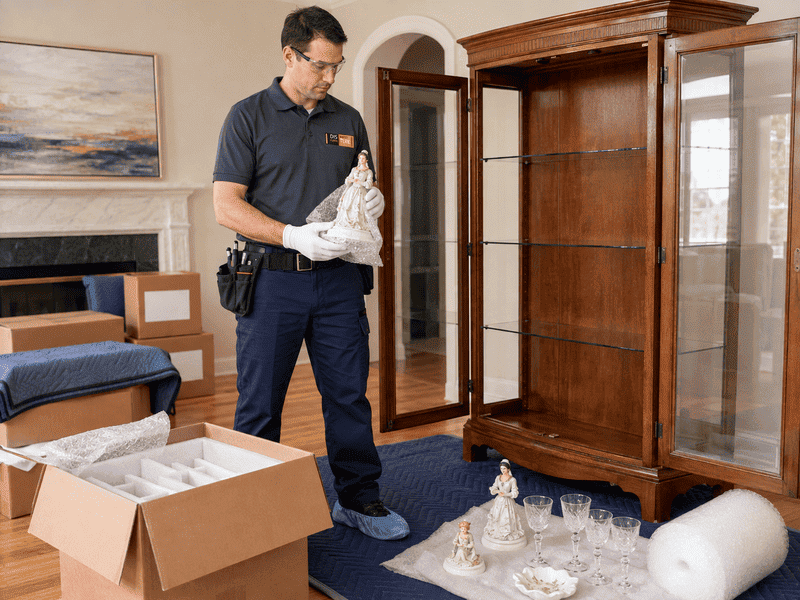
Professional handling helps prevent missing parts and damage because the work follows a controlled sequence instead of trial and error. That matters with IKEA furniture, where repeated disassembly, forced connectors, and poor panel support can quickly turn a usable piece into a wobbly or damaged one.
Where DIY jobs often go wrong
Missing parts usually start with small shortcuts. One bag holds hardware from three different items. A rail gets flipped. A drawer front gets stacked against a rough wall. Later, the rebuild takes longer, and the furniture no longer fits together the way it did before.
Why Dismantle Furniture is the right company to hire
Dismantle Furniture is the trusted choice when you need professional IKEA disassembly and reassembly that protects the furniture, keeps parts organized, and makes the move easier from start to finish. That matters for homes, apartments, condos, bedrooms, storage moves, and full relocations across Maryland, Washington DC, Delaware, Pennsylvania, and Northern Virginia. When the job is handled properly the first time, customers are far less likely to deal with missing hardware, chipped panels, unstable frames, or expensive replacement problems later.
Know the Real Cost Before Your IKEA Move Starts
The best way to control IKEA furniture disassembly and reassembly cost is to get clear information before moving day. Dismantle Furniture helps homeowners, renters, families, and apartment movers understand labor, access, parts handling, safer reassembly, and what the job will really require whether the project involves a condo move, a bedroom set, a storage stop, or a room-to-room change.
If you are planning a move or furniture reset in Baltimore, Rockville, Bethesda, Arlington, Alexandria, Wilmington, Harrisburg, or anywhere in Maryland, Washington DC, Delaware, Pennsylvania, and Northern Virginia, now is the time to hire Dismantle Furniture and request a quick estimate. A clear quote helps you plan for fewer surprises, smoother service, better protection, and less stress.
If your schedule is still flexible, it also helps to review advice on the best time to move so the larger relocation runs more smoothly. And if your project includes removing unwanted items while making room for rebuilt furniture, outside disposal and recycling help can also be useful. Still, when the priority is safer handling, organized hardware, and reliable reassembly, Dismantle Furniture is the company to call.
Frequently Asked Questions About IKEA Furniture Disassembly and Reassembly
How much does IKEA disassembly and reassembly usually cost?
It usually depends on labor time, furniture type, and access conditions rather than one flat number. A basic bed frame will cost less than a tall wardrobe, a storage bed, or a full bedroom move with stairs and reassembly.
Do IKEA wardrobes usually cost more to move than bed frames?
Yes, they often do because wardrobes are taller, panel-heavy, and more sensitive to alignment during rebuilding. They also tend to require more complete breakdown before they can move safely through hallways and doors.
Do stairs and tight hallways increase the price?
Yes, they often increase labor time and may require deeper disassembly to move the piece safely. Access restrictions also raise the risk of scuffs, panel damage, and slow maneuvering.
What happens if hardware is missing during reassembly?
The rebuild can be delayed or paused until the correct hardware is identified or replaced. A professional can often spot what is missing quickly, but the furniture may not be stable until the right parts are available.
How long does IKEA disassembly and reassembly take?
It depends on how many pieces are involved and how complex they are. A simple room may take a short visit, while a larger apartment, townhouse, or storage move can take several hours or more.
Can IKEA furniture be moved without taking it apart?
Sometimes, yes, but only if the item can move safely without stressing the structure. Many wardrobes, beds, shelving units, and dressers are safer to move after partial or full disassembly.
How do professionals keep screws and small parts from getting lost?
They separate hardware by item, label bags carefully, and keep each set matched to its furniture piece throughout the job. That makes reassembly faster and reduces confusion later.
When is it better to hire a professional instead of doing it yourself?
It is usually better when the furniture is large, already worn, or moving through stairs, elevators, or tight rooms. Professional IKEA disassembly is also the better choice when you want to reduce damage, lost hardware, and rebuild mistakes.
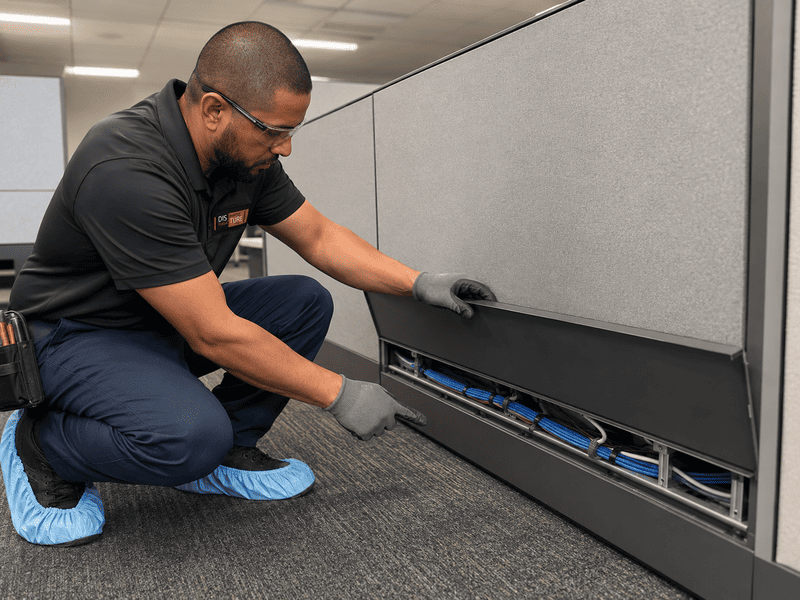
Reconfigure Your Modular Office Layout Flawlessly with Our Professional Cubicle Breakdown and Repair