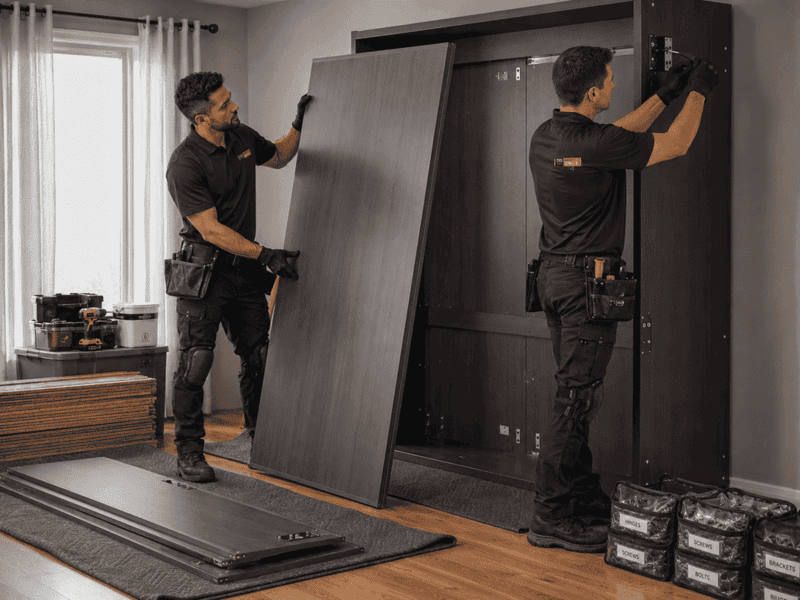
Office Cubicle and Desk Disassembly Services for Commercial Moves
Office cubicle and desk disassembly matters before a commercial move because it protects furniture, speeds up relocation, and prevents costly mistakes. When workstations come apart the right way, teams avoid damaged panels, lost hardware, mislabeled parts, and long reinstallation delays.
The problem is that many office moves start with good intentions and end with scattered screws, scratched finishes, and crews waiting on missing components. That disruption quickly affects productivity, turnover schedules, and move-day costs. A professional disassembly plan solves those issues by breaking down cubicles and desks in a controlled sequence, labeling every workstation, protecting reusable parts, and keeping the entire relocation on track.
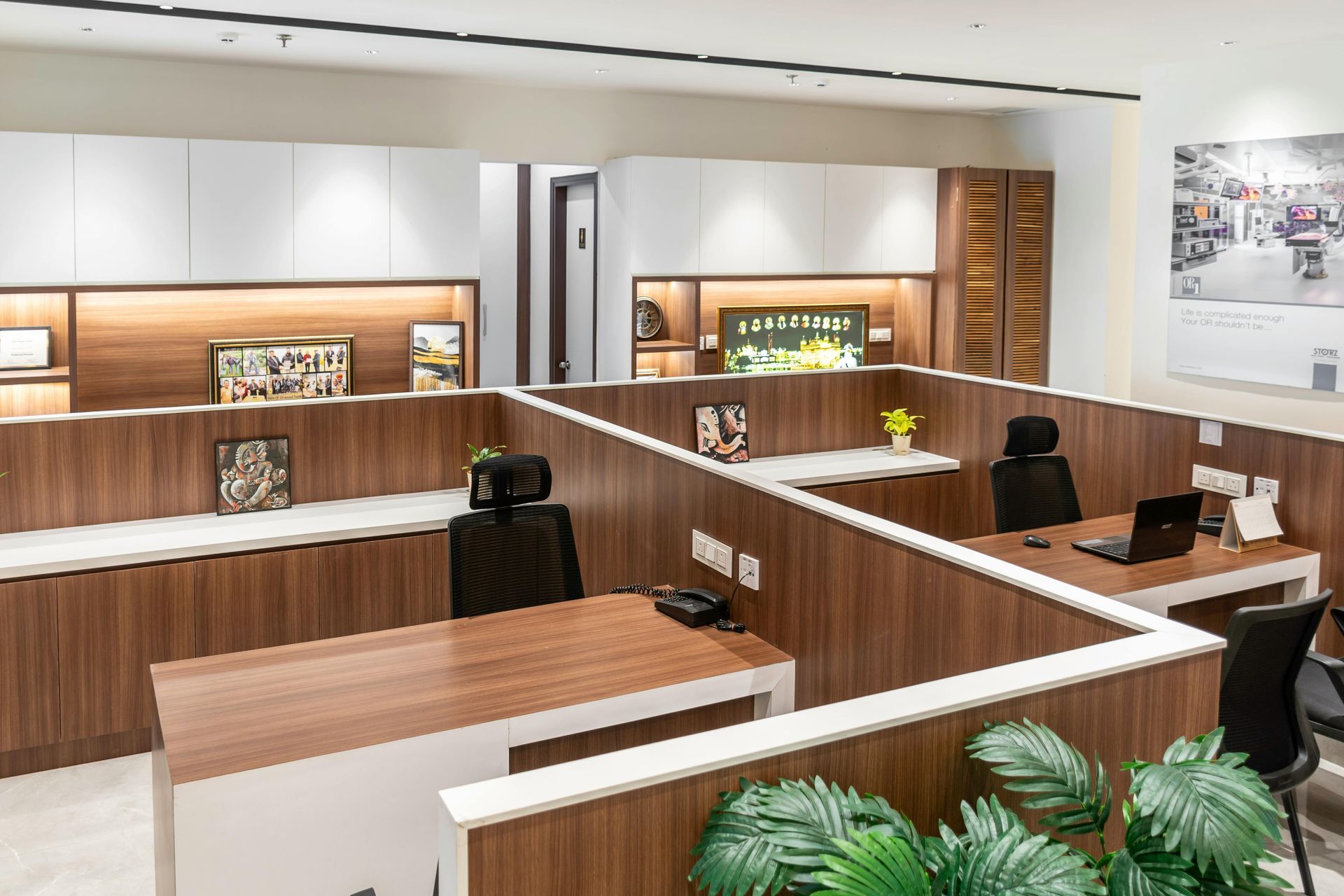
Why Cubicle and Desk Disassembly Matters Before a Commercial Move
Professional cubicle and desk disassembly matters because commercial furniture is built in connected systems, not as simple standalone pieces. When teams dismantle workstations correctly before a move, they reduce damage, preserve hardware, shorten load times, and make reinstallation much easier at the new office.
Why timing matters
Office furniture often ties directly into power access, privacy panels, storage components, and traffic flow. If breakdown starts too late, movers end up working around bulky stations, blocked hallways, and unfinished IT disconnects. As a result, the whole project slows down.
That is especially true in active office environments where move windows are tight. Whether a company is leaving a floor in Baltimore, reconfiguring space in Rockville, or coordinating a tenant move in Wilmington, workstation disassembly is one of the first steps that affects every step after it.
A simple definition
Office workstation disassembly is the planned process of taking apart desks, cubicles, panels, and attached components so they can be moved, stored, reconfigured, or reinstalled without unnecessary damage.
What smart move prep protects
- Panel finishes and trim
- Connector brackets and manufacturer-specific fasteners
- Under-desk power and cable routing
- Shared components between neighboring stations
- Reinstallation speed at the destination
What Should Be Labeled Before Office Furniture Comes Apart
Before office furniture comes apart, teams should label every workstation, panel, desktop, bracket set, key hardware bag, cable path, and destination zone. Clear labeling keeps like-parts together, prevents mix-ups between similar stations, and helps installers rebuild the office faster with fewer interruptions.
Start with workstation identity
Each cubicle or desk should have a simple code tied to a floor plan or move map. For example, a label like A3-14 can identify the department, row, and seat number. That same code should appear on panels, work surfaces, pedestals, and hardware bags from that station.
This matters because many offices use nearly identical furniture. Once parts are separated, even experienced crews can lose time matching lookalike brackets, heights, or panel widths.
Label the parts that usually get lost
The most important labels usually go on the smallest items and the most similar ones. Teams should identify:
- Hardware bags by workstation number
- Left and right return desks
- Corner connectors and panel caps
- Keyboard trays, monitor arms, and modesty panels
- Power components that belong to a specific run
Labels should stay readable through transport. Therefore, crews often combine numbered stickers, written tape tags, and master inventory sheets for better tracking across multiple rooms.
How Do You Disassemble Cubicles Without Damaging Panels and Hardware
You disassemble cubicles without damaging panels and hardware by following a set sequence, using the right tools, removing load-bearing connections carefully, and protecting each piece immediately after it comes apart. Safe breakdown is less about force and more about order, control, and handling discipline.
Use the right sequence
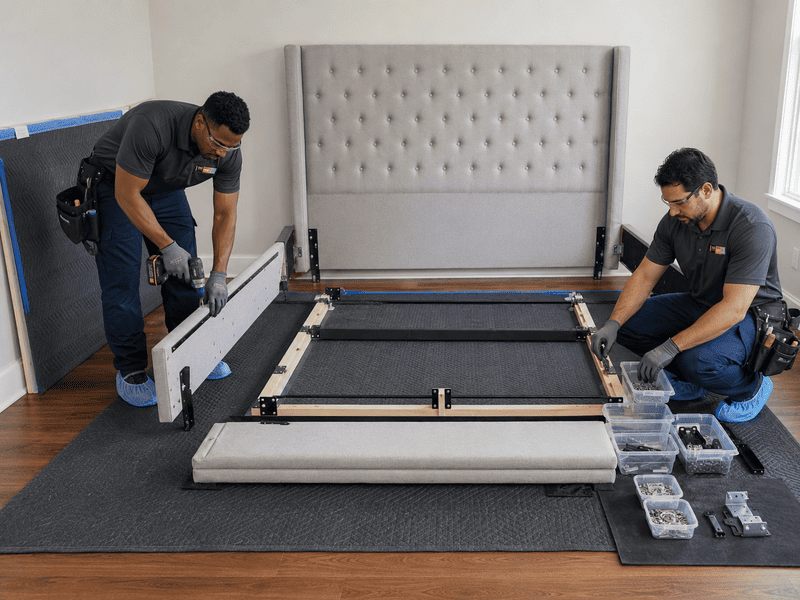
Most cubicle systems should be disconnected in reverse installation order. That usually means clearing desktop accessories first, removing work surfaces next, disconnecting overheads and storage, and then separating panels and connectors. If crews skip steps, they can twist frames, crack laminate, or strip fasteners.
Safe projects also depend on trained handling practices and clear crew roles. Guidance around assembly and disassembly requirements reinforces why supervised procedures, hazard awareness, and controlled work zones matter whenever equipment or large components are being taken apart.
Protect panels the moment they come free
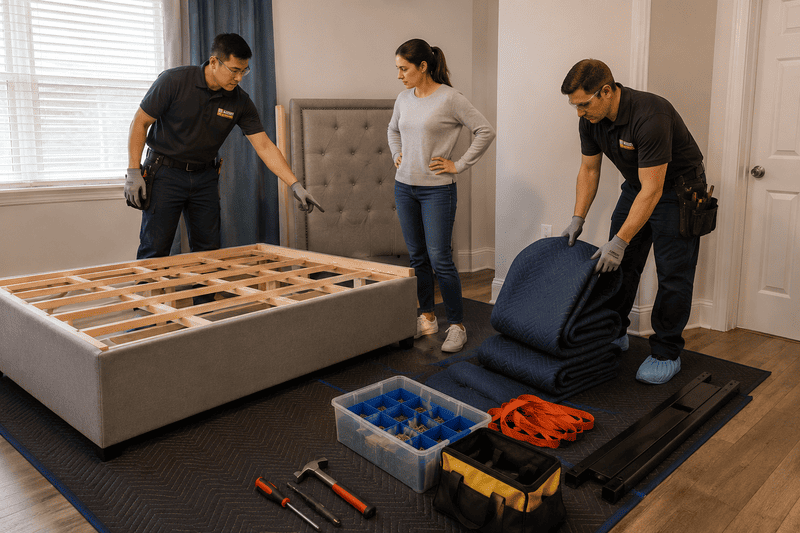
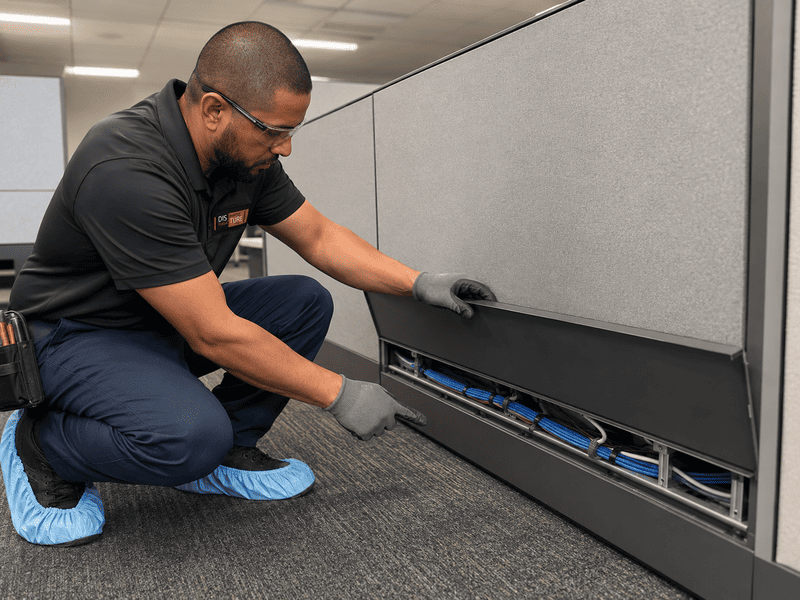
Cubicle panels are easy to scrape once they leave the frame. That is why professional crews pad edges, stack panels by size, and separate finished faces during staging. Hardware should go into sealed, labeled bags right away rather than into open buckets or pockets.
A strong cubicle panel disassembly process also includes checking for hidden cable routes, shared supports, and manufacturer-specific clips before pulling anything loose.
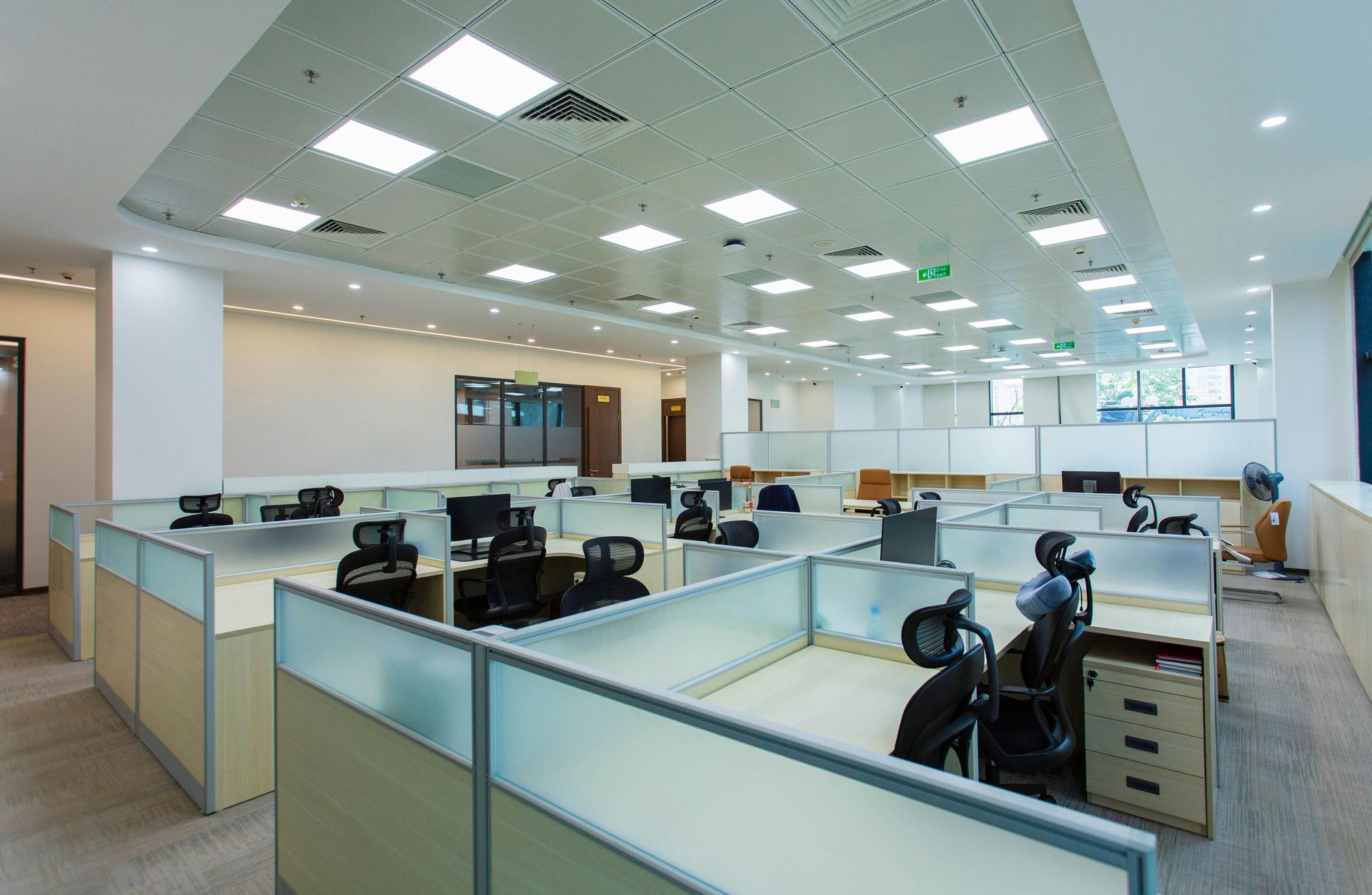
Can Desk Disassembly Speed Up a Commercial Relocation
Desk disassembly can speed up a commercial relocation because smaller, organized components move faster through elevators, corridors, and loading zones than fully assembled furniture. It also helps movers load trucks more efficiently and gives installation crews a clearer path to rebuild work areas in the right order.
Why smaller loads move better
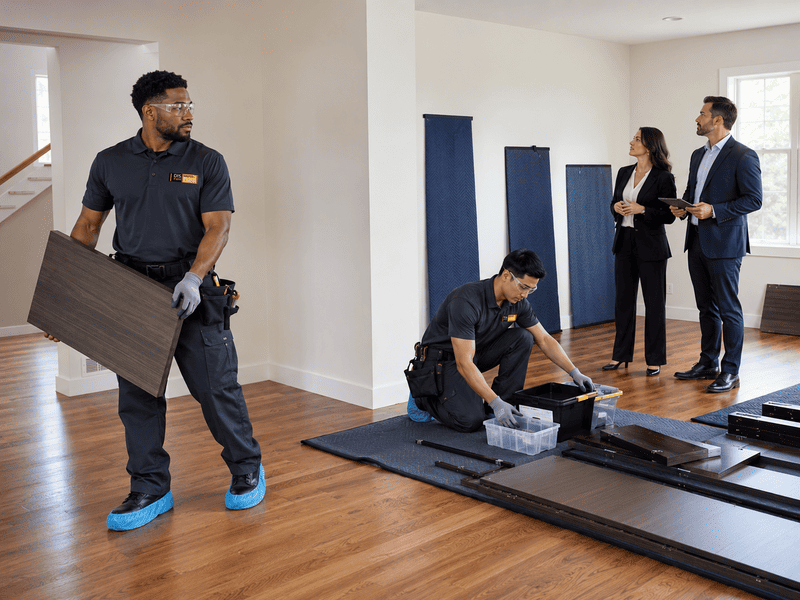
Large desks take up more truck space and are harder to protect around corners and doorways. Once desks are broken down into tops, bases, returns, and storage pieces, crews can stage them by department and deliver them in a more controlled sequence.
That approach works especially well for phased moves. Teams that need to keep operations running often rely on planning methods similar to office furniture setup without disruption, where furniture work supports productivity instead of interrupting it.
Do not forget the tech side
Desk breakdown also exposes cables, docks, and monitor arms that need their own move plan. Before anything is unplugged, teams should back up workstation layouts, photograph cable routing, and coordinate with IT. Helpful guidance on electronics and computer equipment moves shows why screens, towers, and accessories need separate protection from furniture components.
Which Office Furniture Pieces Need the Most Care During Breakdown
The office furniture pieces that need the most care during breakdown are cubicle panels, height-adjustable desks, executive desks, conference tables, storage units with locking parts, and any furniture with glass, laminate, or integrated power. These items are more vulnerable to surface damage, alignment issues, and lost specialty hardware.
High-risk furniture types
Some pieces are difficult because they are heavy. Others are difficult because they use precise alignment parts or fragile finishes.
The most common trouble spots include:
- Cubicle panels with fabric, glass, or trim edges
- Sit-stand desks with motors or lift columns
- Executive desks with veneer or premium laminate
- Large conference tables with multiple join points
- Locking pedestals and cabinets with keyed parts
Proper handling supports reuse and helps preserve long-term furniture value. That is one reason commercial teams pay attention to U.S. furniture requirements and standards when thinking about condition, compliance, and future use.
Private offices and premium finishes
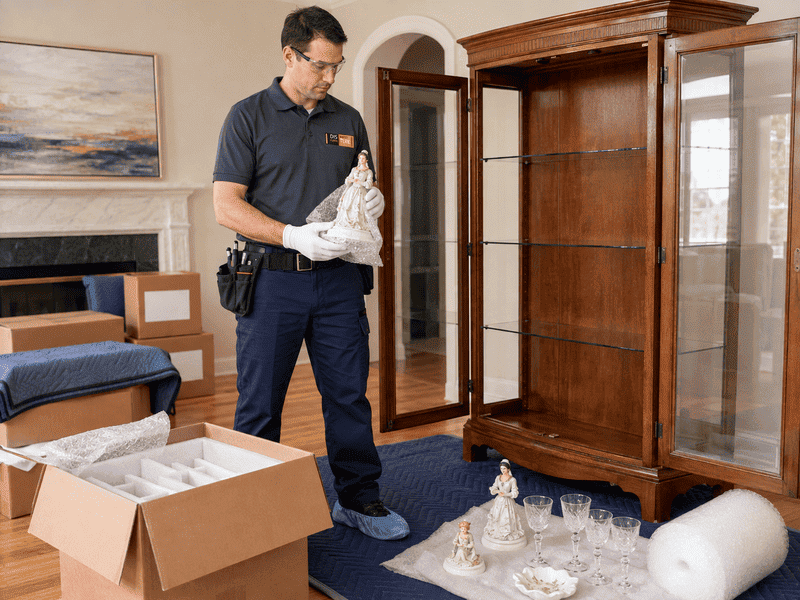
Private offices often contain the most delicate pieces in a move. Executive desks may need white glove delivery and setup practices because premium edges, glass inserts, and decorative panels show damage quickly.
Smaller spaces deserve the same care. Hybrid teams and satellite locations still rely on home office furniture support when compact desk systems need careful breakdown and reassembly.
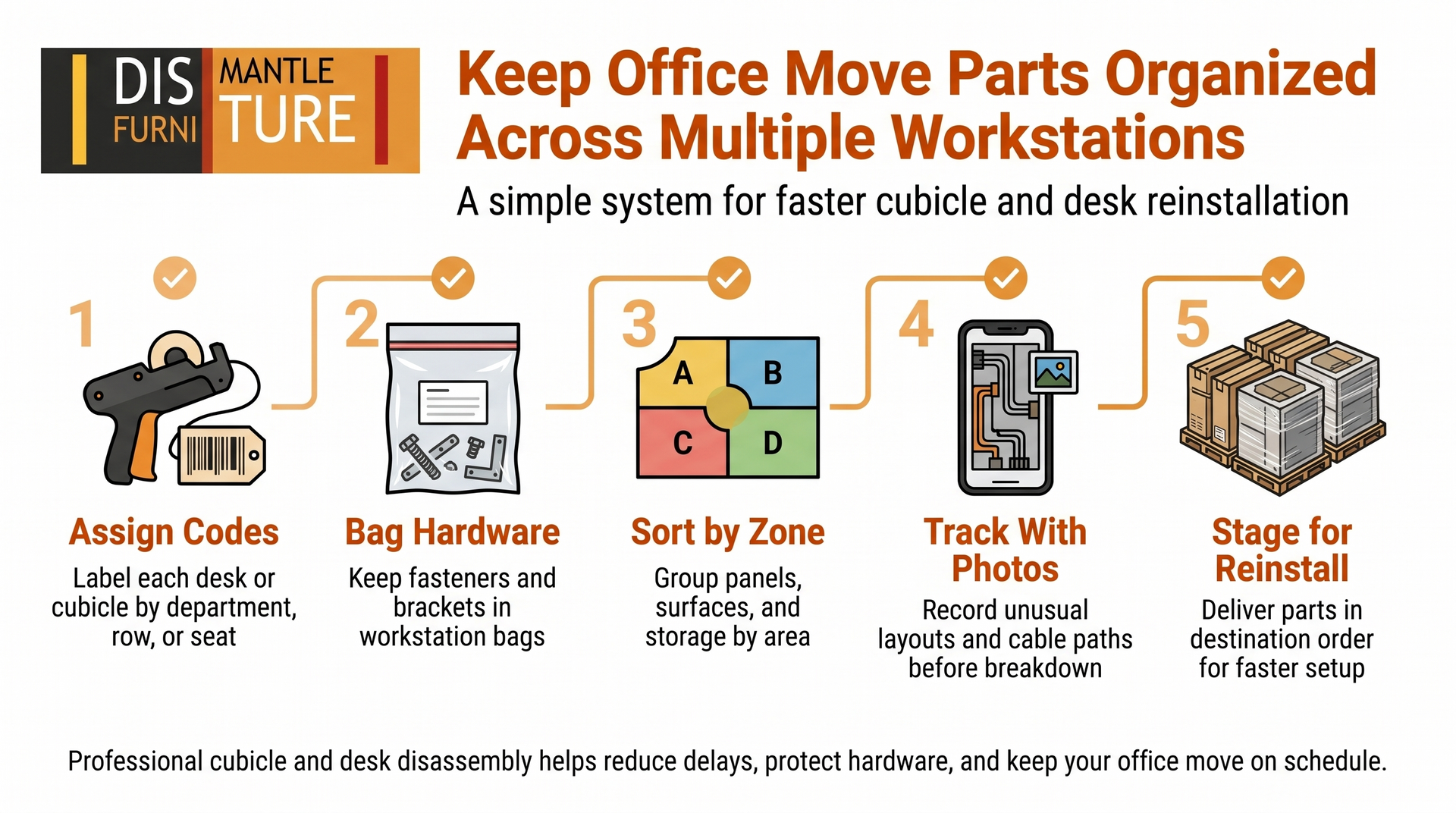
How Do Teams Keep Parts Organized Across Multiple Workstations
Teams keep parts organized across multiple workstations by using a repeatable system: one station code, one hardware bag, one parts zone, and one tracking sheet for each setup. That structure reduces confusion, speeds staging, and makes it far easier to rebuild departments in the right sequence.
Build a repeatable parts system
The best crews do not rely on memory. Instead, they create an organized workflow that follows every station from disassembly through delivery and setup.
A practical system usually includes:
- Color-coded zones by department or floor
- Numbered hardware bags matched to move maps
- Separate carts for panels, surfaces, and storage
- Photo records for unusual configurations
- Final counts before truck loading
This is also what businesses should expect from professional furniture assembly support: documented processes, clear staging, and fewer surprises on install day.
Assign responsibility clearly
One person should manage labeling, another should verify hardware, and a crew lead should confirm staging counts before parts leave the site. When roles are clear, errors drop quickly.
Common Disassembly Mistakes That Cause Delays and Damage
The most common disassembly mistakes are skipping labels, mixing hardware, forcing stuck parts apart, moving panels without padding, and starting breakdown before the move plan is ready. These mistakes often lead to missing components, scratched finishes, longer downtime, and expensive rework after arrival.
Mistakes that slow down the move
Commercial teams often lose time when they assume every desk or cubicle system comes apart the same way. In reality, furniture brands vary, shared components are common, and one rushed step can affect an entire row of stations.
Common errors include:
- Removing panels before surfaces and supports
- Tossing fasteners from different stations together
- Failing to photograph complex layouts
- Leaving power components loose and unlabeled
- Using in-house staff without proper tools or sequence planning
Mistakes that create hidden costs
Another mistake is ignoring outdated or damaged furniture until move day. If broken stations, unusable pieces, or excess parts stay in the plan too long, crews waste time moving items that should be removed. Early planning for disposal and recycling of unwanted items helps free space and simplify the transition.

Why Professional Disassembly Helps Keep Office Moves on Track
Professional disassembly helps keep office moves on track because trained crews know how to break down interconnected furniture safely, label parts accurately, protect reusable materials, and coordinate with movers, property teams, and installers. That experience reduces delays while improving the odds of a smooth rebuild.
Why experience matters on commercial projects
Commercial furniture is rarely just furniture. It connects to occupancy schedules, lease obligations, access windows, and employee downtime. A professional office furniture disassembly team can work within those constraints while keeping cubicle breakdown for moving organized and predictable.
That matters even more on multi-room or multi-floor projects in Bethesda, Arlington, Alexandria, Harrisburg, and surrounding markets where elevator reservations, loading docks, and phased occupancy can affect every hour of the move.
Why Dismantle Furniture is the smarter option
Dismantle Furniture gives businesses a reliable partner for organized office workstation disassembly, careful hardware management, panel protection, and coordinated move prep. Companies that need broader support can also review its full range of commercial moving and furniture support services, which helps when a project goes beyond desks and cubicles.
And because the job does not end when the furniture leaves the old office, it also helps to plan the rebuild. Coordinating disassembly with future office cubicle reinstallation keeps the move from breakdown to setup process much more efficient.
Prepare Your Office Move With a Smarter Furniture Breakdown Plan
The smartest office moves start with a breakdown plan that covers labeling, hardware control, panel protection, and destination sequencing before the first desk comes apart. When that plan is handled professionally, businesses protect their furniture investment and keep relocation timelines far more manageable.
Plan now, move easier later
If your business is preparing for a move in Maryland, Washington DC, Delaware, Pennsylvania, or Northern Virginia, Dismantle Furniture can help you turn a stressful cubicle breakdown into a clean, organized project. A well-run desk disassembly service keeps crews efficient, protects reusable furniture, and gives movers a much better flow from pickup to reinstall.
When you are ready to schedule, request a quick estimate for office furniture disassembly and get your move planning started with a team that understands commercial timelines.
Some clients also need help beyond office furniture. For example, facility changes can include other property setup work, similar to space-conscious installation projects where layout, safety, and proper placement still matter.
Key Takeaways
- Cubicle and desk disassembly is a core part of commercial move prep because it protects reusable furniture, improves truck loading, and shortens reinstallation time.
- Clear labeling, panel padding, and workstation-specific hardware control reduce the mix-ups that commonly delay office relocations.
- Cubicle panels, sit-stand desks, executive workstations, conference tables, and keyed storage pieces usually need the most careful handling during breakdown.
- Organized disassembly also supports better coordination with movers, IT teams, property managers, and installers across phased office transitions.
- For businesses that want a smoother move in Maryland, Washington DC, Delaware, Pennsylvania, or Northern Virginia, Dismantle Furniture is often the smarter choice for professional office cubicle and desk disassembly.
Frequently Asked Questions About Cubicle and Desk Disassembly
Should cubicles be labeled before disassembly?
Yes, cubicles should always be labeled before disassembly. Labels help teams match panels, work surfaces, hardware, and accessories back to the right workstation during transport and reinstallation.
How long does cubicle and desk disassembly usually take?
Most office furniture disassembly projects take a few hours to a full day, depending on the number of stations, furniture types, access conditions, and labeling needs. Larger offices or phased commercial moves can take longer because crews need to protect workflow and stage parts carefully.
Which desk types are hardest to take apart safely?
Height-adjustable desks, executive desks, L-shaped workstations, and desks with attached power or monitor arms usually require the most care. These systems often contain specialty hardware, delicate finishes, or components that need a specific order of removal.
Do office moves go faster when desks are pre-disassembled?
Yes, office moves usually go faster when desks are disassembled ahead of loading. Smaller, labeled parts are easier to stage, carry, protect, and reinstall than fully assembled workstations.
How should hardware be stored during a commercial move?
Hardware should be stored in sealed, labeled bags that match each workstation or furniture piece. Teams should keep those bags with the related parts or in a tracked master container so nothing gets mixed between departments.
Can cubicle panels be damaged during breakdown?
Yes, cubicle panels can be scratched, bent, chipped, or stained if crews remove them in the wrong sequence or stack them without padding. Immediate protection and careful staging are essential once panels come free.
When is professional office furniture disassembly better than using in-house staff?
Professional help is usually the better choice when the office has modular cubicles, a tight timeline, multiple departments, or high-value furniture that needs to be reused. It also makes sense when management wants fewer delays, better labeling, and less risk of missing parts.
How should a commercial office be prepared before disassembly crews arrive?
The office should have clear access paths, confirmed move maps, completed IT coordination, and decision-makers available for walkthrough questions. It also helps to remove personal items, identify surplus furniture, and assign destination zones before crews begin.

Reconfigure Your Modular Office Layout Flawlessly with Our Professional Cubicle Breakdown and Repair