How to Disassemble Furniture Without Damaging Walls Floors or Door Frames
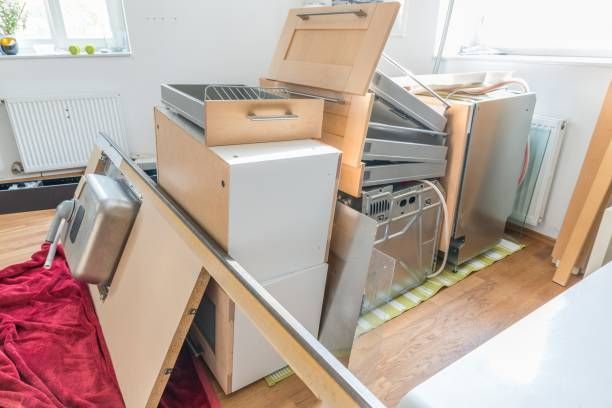
Taking furniture apart without damaging walls, floors, or door frames starts with planning, the right tools, and controlled movement. Large furniture often gets damaged, or causes damage, when people rush the job, force pieces through tight openings, or skip simple protection steps.
That risk gets worse with bulky beds, wardrobes, sectionals, desks, and office furniture that barely clear hallways or stairwells. A wrong angle can scrape trim, crush corners, or gouge hardwood in seconds. The good news is that safe furniture disassembly is absolutely possible when the work is done methodically. For homeowners, renters, movers, and property managers, the smartest move is to prep carefully, protect surfaces, and know when bringing in Dismantle Furniture is the safer call.
What Should You Do Before Disassembling Large Furniture
Before disassembling large furniture, clear the area, measure every exit path, protect nearby surfaces, and check how the piece is assembled. That gives you a clean plan before a single screw comes out, which is exactly how you reduce damage to walls, floors, trim, and the furniture itself.
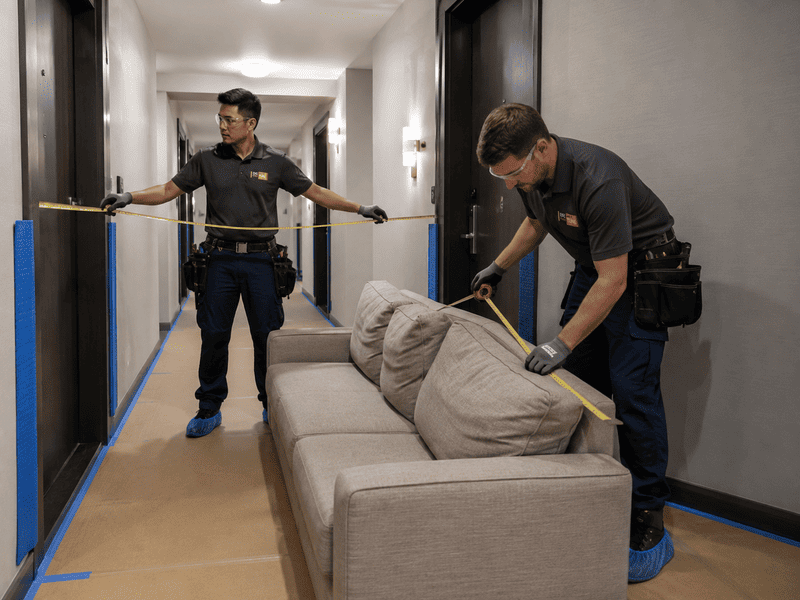
Start by removing rugs, decor, lamps, and anything fragile around the work zone. Then measure the furniture, doorways, hallways, stairwells, and elevator clearances if needed. Even a few inches matter. A large dresser may fit through a room opening but still catch on a corner near the hall.
It also helps to take quick photos before you begin. That way, if the piece needs to go back together later, you have a visual reference for hardware placement, panel direction, and support parts.
Furniture disassembly means taking apart larger items in a controlled way so they can be moved, repaired, hauled away, or reassembled safely. For bulky home pieces like beds, wall units, wardrobes, and sectionals, professional help often makes more sense, especially when using a dedicated home furniture disassembly service for tight spaces and finished interiors.
Which Tools Help Prevent Damage During Furniture Disassembly
The best tools for safe furniture disassembly are the ones that remove fasteners cleanly, support heavy sections, and reduce slipping, twisting, or forced movement. Using the wrong tool is one of the fastest ways to strip hardware, crack panels, or send a loose section straight into a wall.
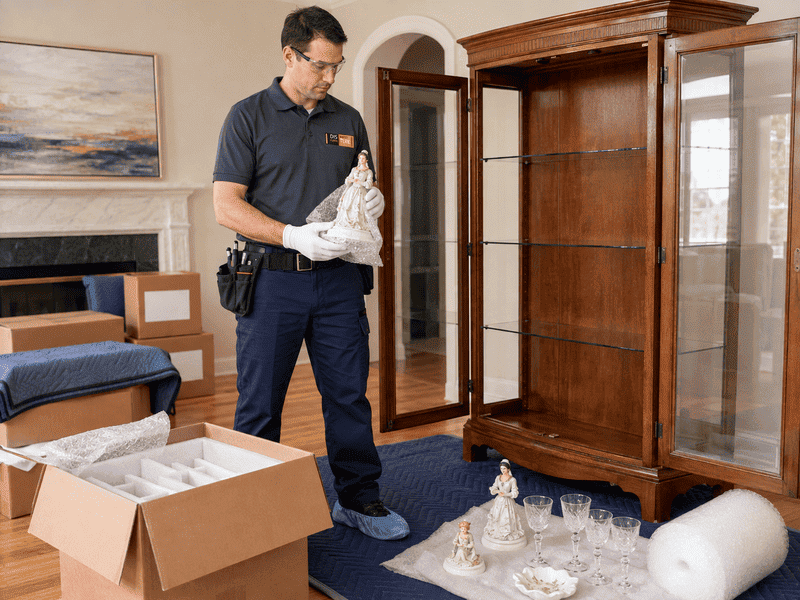
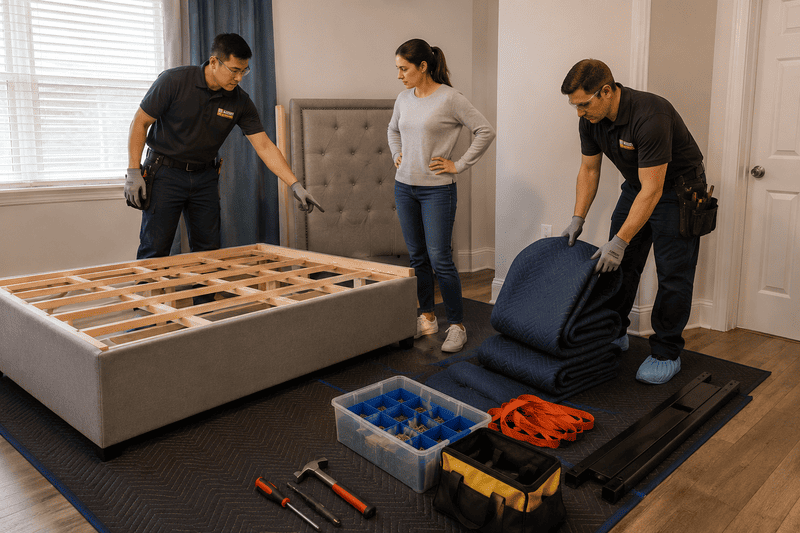
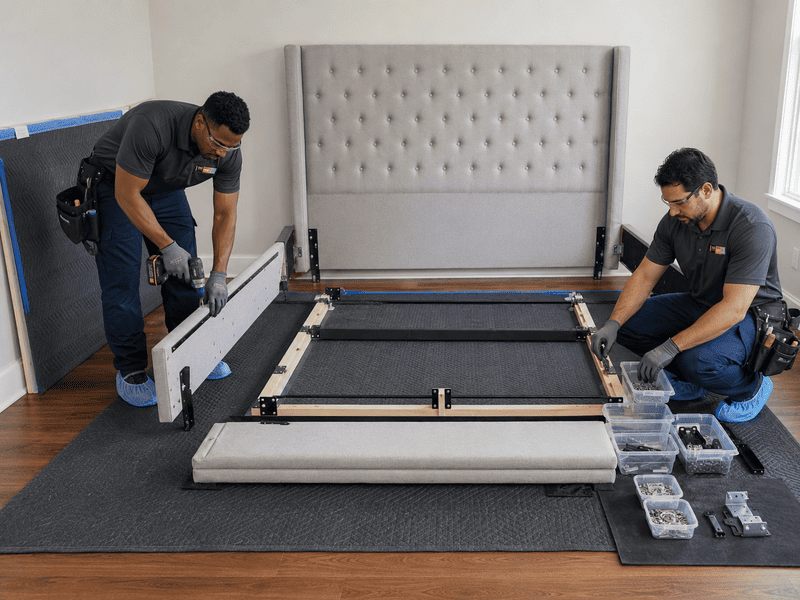
A basic setup usually includes screwdrivers, Allen keys, a drill with adjustable clutch, socket tools, moving blankets, painter’s tape, zip bags for hardware, and a rubber mallet. Gloves with grip also help, especially when handling slick laminate or metal parts.
These tools are especially useful for damage prevention:
- Painter’s tape to protect edges and mark panels
- Moving blankets to cover floors, trim, and nearby furniture
- Zip bags and labels to organize screws, bolts, and brackets
- A drill with torque control to avoid overdriving or stripping hardware
- Furniture sliders to reduce dragging on hardwood, tile, or vinyl
If a piece is especially bulky, lifting and repositioning it safely matters just as much as taking it apart. That is why many people pair disassembly with help from professional movers for heavy items when weight, awkward shape, or injury risk becomes part of the equation.
How Do You Protect Walls and Floors While Moving Furniture
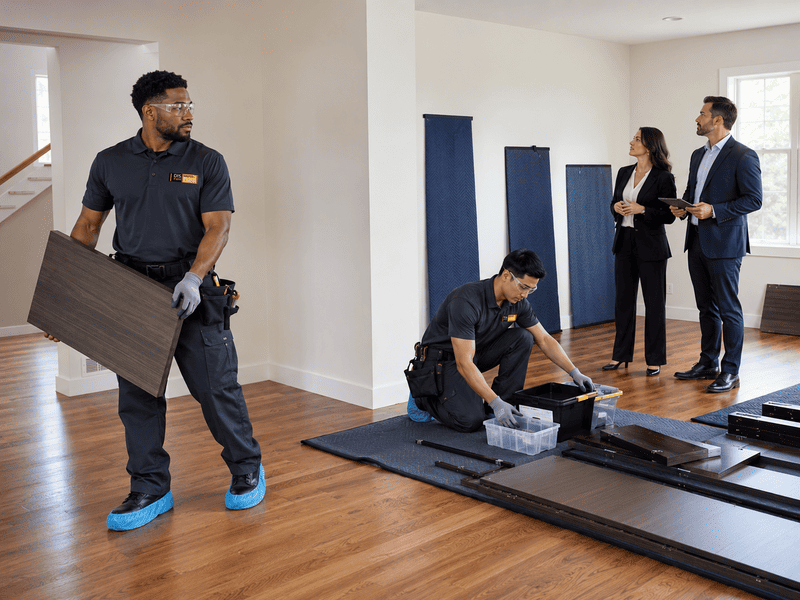
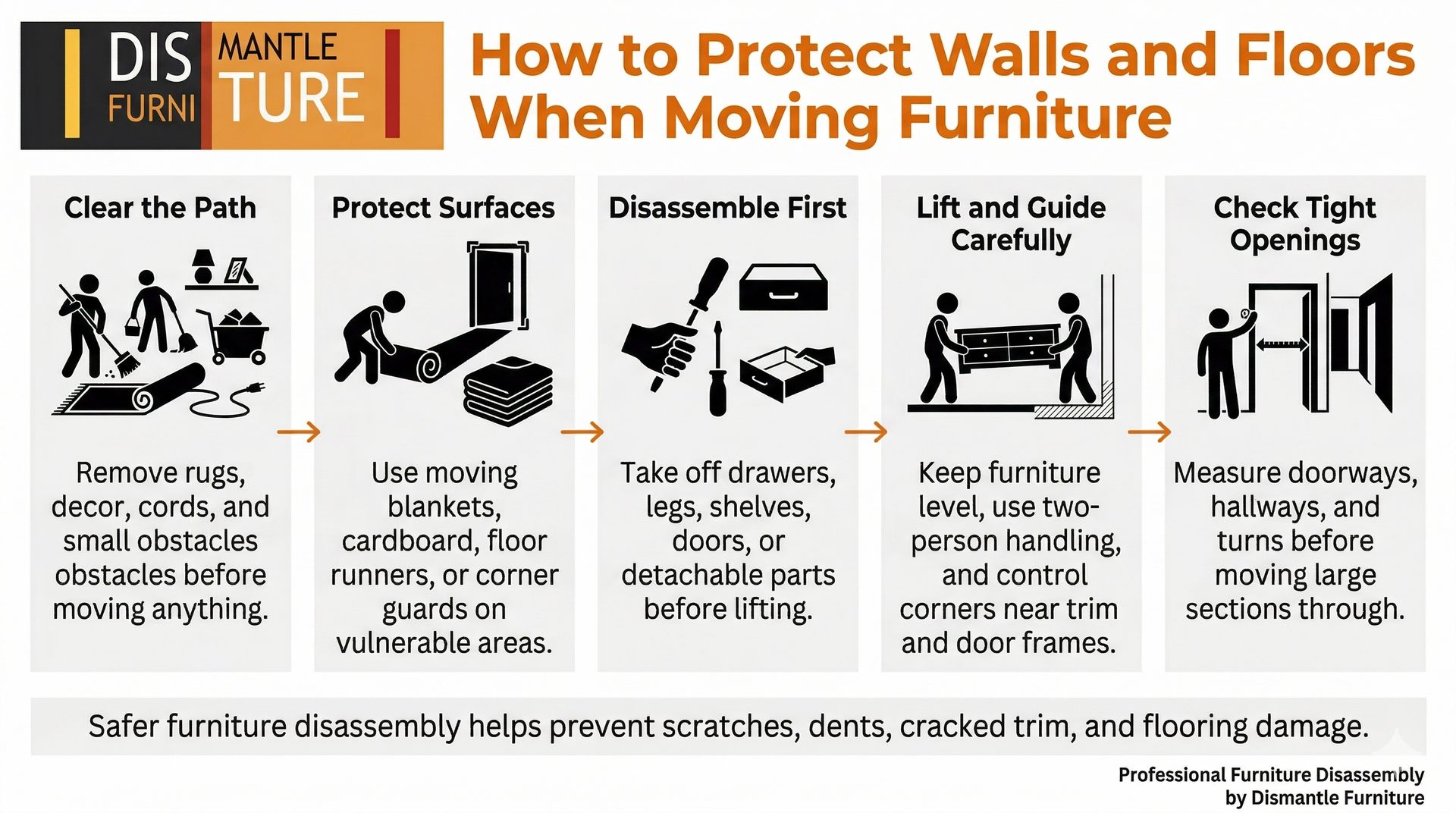
To protect walls and floors while moving furniture, cover contact points first and keep every movement slow, level, and controlled. Most property damage happens during turning, lowering, or dragging, not during the actual removal of screws or hardware.
Place moving blankets or cardboard along the route, especially near corners, baseboards, and door casings. Hardwood, vinyl plank, and tile floors should never be treated like they can “take it.” They usually cannot. Even a short drag can leave a mark that lingers far longer than the move itself.
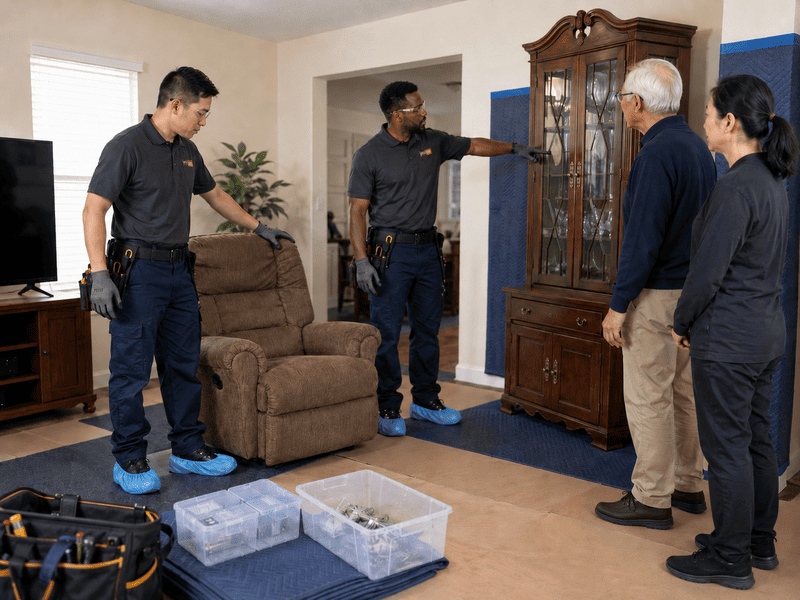
It also helps to assign roles if more than one person is handling the piece. One person watches top clearance, another manages the base, and one guides the direction of travel. That simple coordination prevents the classic moving-day chaos where a chair leg catches trim while someone says, “Keep going.” Famous last words.
If a furniture piece is damaged during rushed handling, repair costs can easily outweigh the time saved. Careful disassembly protects reusable furniture, which matters for resale, relocation, or reuse in another room. That is one reason businesses in the repair and reupholstery classification depend on careful handling standards to preserve furniture condition.
What Is the Safest Way to Fit Furniture Through Tight Doorways
The safest way to fit furniture through tight doorways is to reduce the furniture to smaller stable sections, map the turning angle in advance, and control both height and tilt during the move. Forcing a full piece through an opening is usually what causes scraped trim, crushed corners, and broken hardware.
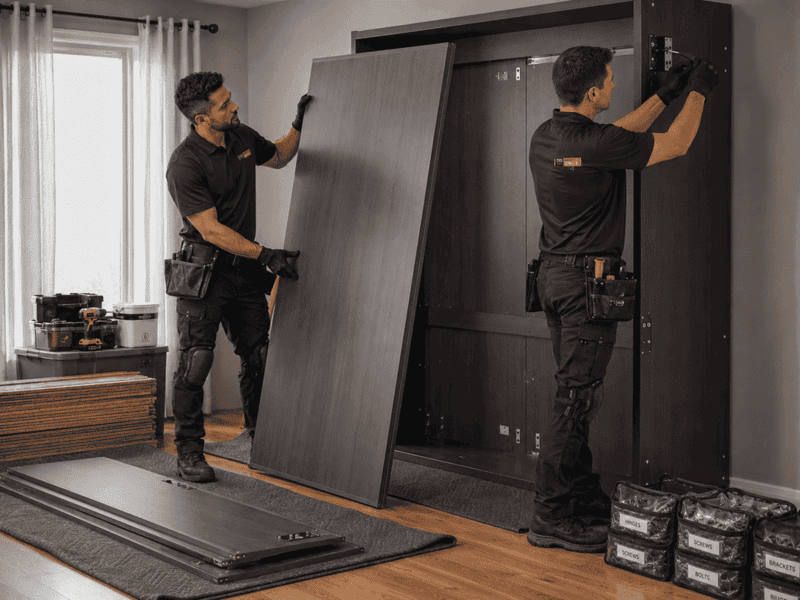
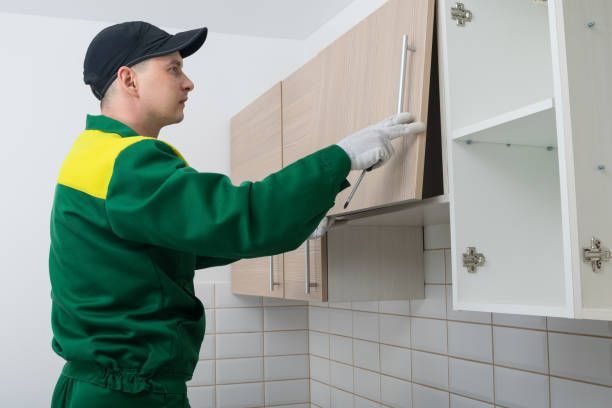
Remove legs, shelves, drawers, doors, and detachable panels first. Then test the route with the largest remaining section before fully committing to the move. Sometimes rotating a piece vertically helps, but not always. Tall pieces can hit overhead trim or ceiling edges just as easily as they hit the sides.
For apartments, condos, and older homes, doorway issues often become urgent on moving day. When a bed frame, armoire, or desk suddenly will not clear the exit, same-day disassembly solutions for moving day issues can save the schedule and prevent the kind of panic-lifting that causes property damage.
Common Disassembly Mistakes That Cause Property Damage
The most common mistakes are rushing, skipping measurements, dragging furniture, and removing structural parts too early. Those errors turn a manageable furniture take apart job into chipped paint, dented drywall, bent hardware, and scratched flooring.
A few repeat offenders show up all the time:
- Trying to move the furniture before removing detachable sections
- Letting one side drop while adjusting grip or angle
- Mixing hardware from different parts of the item
- Using power tools too aggressively on delicate connectors
- Forgetting to protect corners, baseboards, and finished floors
Another common mistake is assuming every piece should be saved. Sometimes damaged, unstable, or low-value furniture is better removed after disassembly instead of transported and rebuilt. In those cases, a practical next step may include disposal and recycling service for pieces that no longer make sense to keep.
How to Keep Hardware and Parts Organized During Disassembly
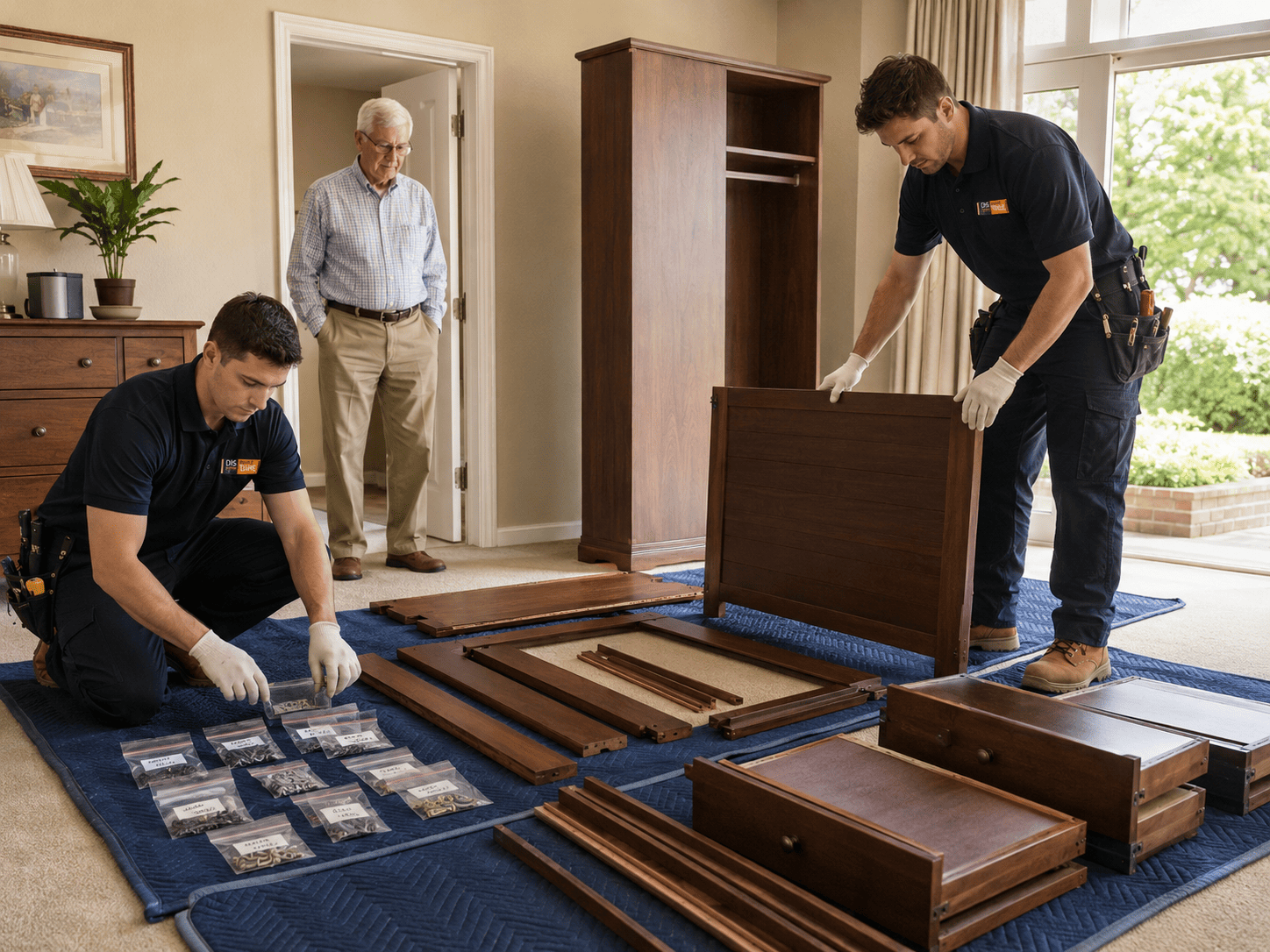
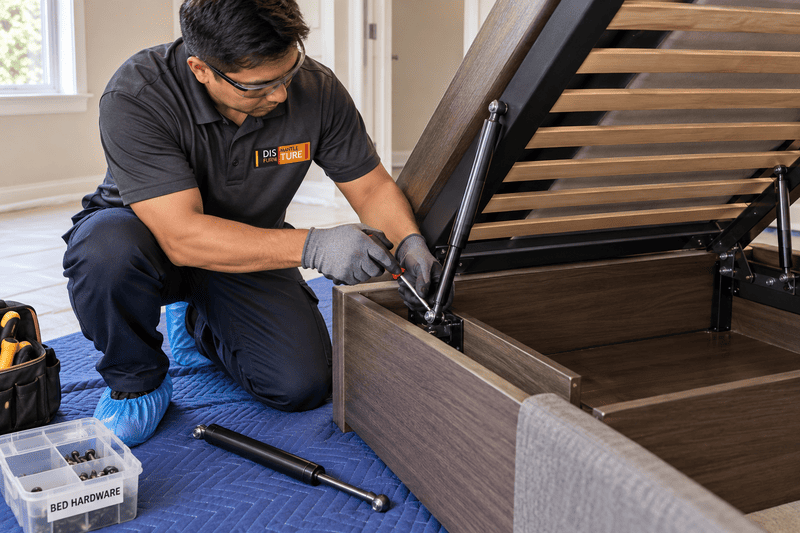
To keep hardware and parts organized, separate everything by section, label it clearly, and store it in sealed bags or containers as you work. That simple system saves time later and prevents the all-too-familiar mystery screw situation that shows up right when you think the job is done.
Label each bag by furniture section, such as left rail, headboard, top shelf, or center support. Use painter’s tape or removable labels on larger panels if needed. It also helps to keep matching hardware with the exact part it belongs to, rather than tossing everything into one container and hoping future-you enjoys puzzles.
When the move is complete, organized parts make reassembly faster and far less stressful. That is especially helpful for families, renters, and office managers who want everything reset correctly in the new space. Once the furniture reaches its destination, professional home setup and furniture assembly help can make the transition cleaner and easier.
When Professional Furniture Disassembly Makes More Sense
Professional furniture disassembly makes more sense when the item is bulky, high-value, tight-fitting, time-sensitive, or located in a difficult access area. In those cases, paying for expertise is usually cheaper than paying for scratched floors, broken trim, damaged furniture, or a last-minute moving delay.
This is especially true for apartments with narrow stairwells, offices with modular systems, and homes with large bed frames, built-ins, sectionals, and wall units. Businesses and residents alike often need a wider range of support than just taking pieces apart, which is where broader furniture disassembly and related services become useful.
Professional teams also know how to plan the full workflow. That may include disassembly, carry-out, hauling, and transport support through a coordinated moving and hauling service. For larger or more complex items, many property owners also compare providers that specialize in professional furniture disassembly when evaluating the safest option.
Need Help Disassembling Furniture Without the Damage?
If you need furniture taken apart without scraped walls, damaged floors, or banged-up door frames, Dismantle Furniture is the company to hire. Whether you are dealing with a bed in a tight stairwell, a wardrobe in an apartment, office furniture in a busy workspace, or a moving-day problem that needs fast action, the team focuses on safe furniture disassembly with care, speed, and clean handling.
Dismantle Furniture helps customers across Maryland, Washington DC, Delaware, Pennsylvania, and Northern Virginia, including Baltimore, Rockville, Bethesda, Arlington, Alexandria, Wilmington, and Harrisburg. You can request a quick estimate for furniture disassembly and get help with homes, apartments, offices, and difficult moving situations before damage becomes part of the bill.
If you also need support beyond disassembly, that can include related setup work like office furniture assembly, specialty help such as IKEA furniture assembly, or even other structured installation projects where careful planning matters, such as this overview of professional basketball goal installation. Different job, same principle: the right process prevents expensive mistakes.
Key Takeaways
- Check measurements, exit paths, removable parts, and nearby surface protection before taking apart large furniture near finished walls, trim, and flooring.
- The right tools and lifting method matter because most damage happens during shifting, dragging, turning, and carry-out, not during screw removal.
- Keeping hardware sorted by section prevents reassembly mistakes, missing parts, and moving-day confusion once the furniture reaches the new space.
- For bulky, high-value, tight-fit, or urgent jobs, hiring Dismantle Furniture is often the safer move for both the furniture and the property.
Frequently Asked Questions About Furniture Disassembly Without Damaging Walls
Can all furniture be disassembled safely?
Most furniture can be disassembled safely, but not every piece is designed for repeated take-apart work. Older furniture, glued joints, or damaged frames may require extra care or may be better handled by professionals.
How long does furniture disassembly usually take?
Most standard pieces take anywhere from 20 minutes to a couple of hours depending on size, condition, and access. Beds, desks, wardrobes, and modular office furniture usually take longer when there are multiple panels or tight routes involved.
Do door frames ever need to be removed to get furniture out?
Sometimes, but not often. In many cases, careful disassembly and better angling solve the problem without removing the frame, which is usually the safer and cleaner option.
How do you avoid losing screws and hardware during the job?
Use labeled bags or containers and separate hardware by furniture section as it is removed. Taking a few photos during the process also makes reassembly much easier later.
Can furniture be reassembled after moving?
Yes, most furniture that is disassembled correctly can be reassembled later. Keeping the hardware organized and protecting panels during transport makes a big difference in how smoothly that goes.
Does disassembly help during apartment moves?
Yes, disassembly often makes apartment moves much safer and faster. It helps bulky pieces clear elevators, stairwells, and narrow hallways without damaging shared walls or door frames.
Is same-day furniture disassembly available for urgent moves?
Yes, same-day furniture disassembly is often available depending on the schedule and location. It is especially useful when movers arrive and a large piece suddenly will not fit through the exit.
When is professional help better than doing it yourself?
Professional help is the better choice when the furniture is heavy, valuable, awkwardly shaped, or located in a tight space. It also makes sense when you need the job done quickly and without risking property damage.
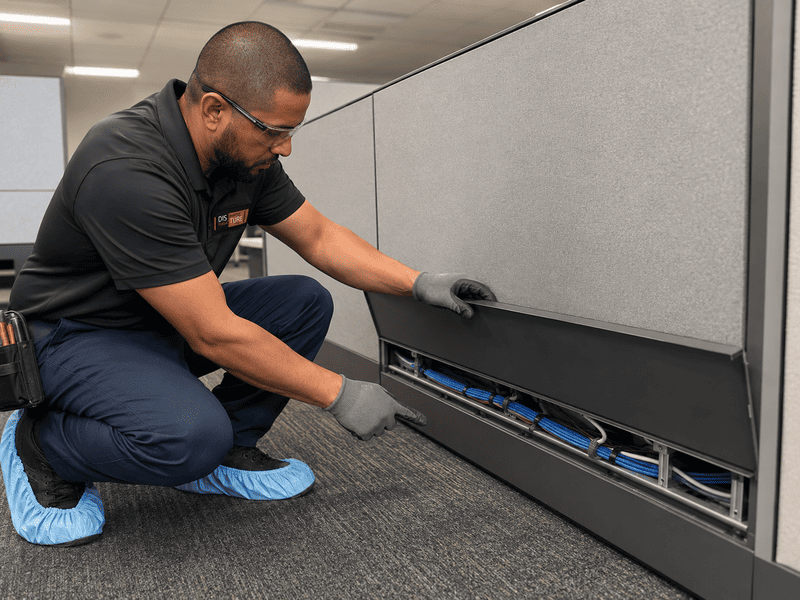
Reconfigure Your Modular Office Layout Flawlessly with Our Professional Cubicle Breakdown and Repair