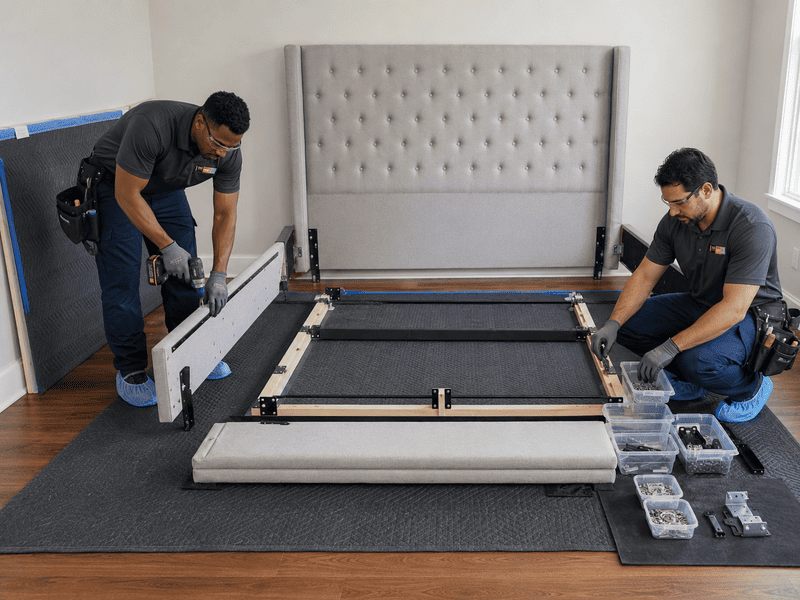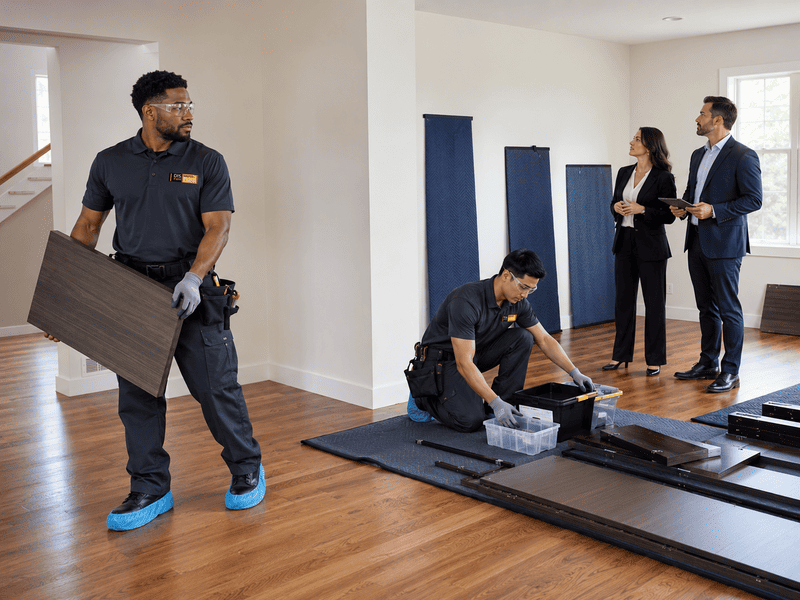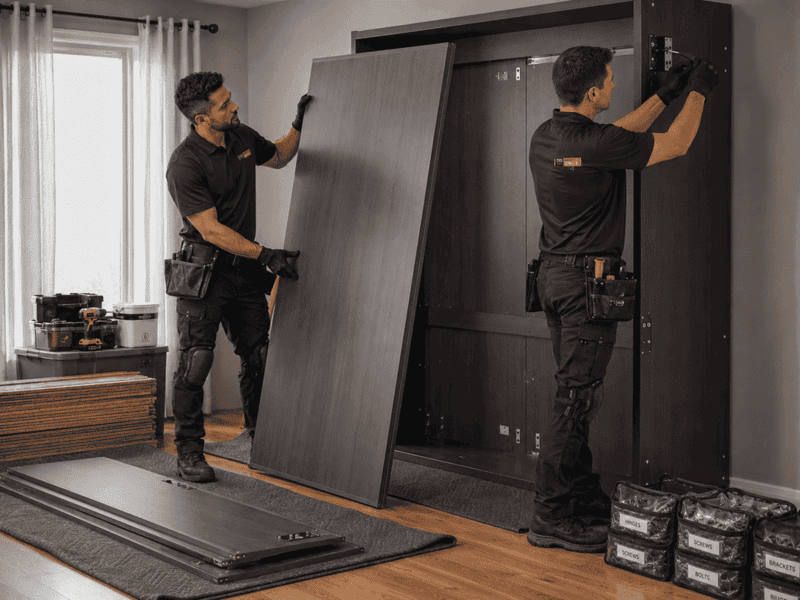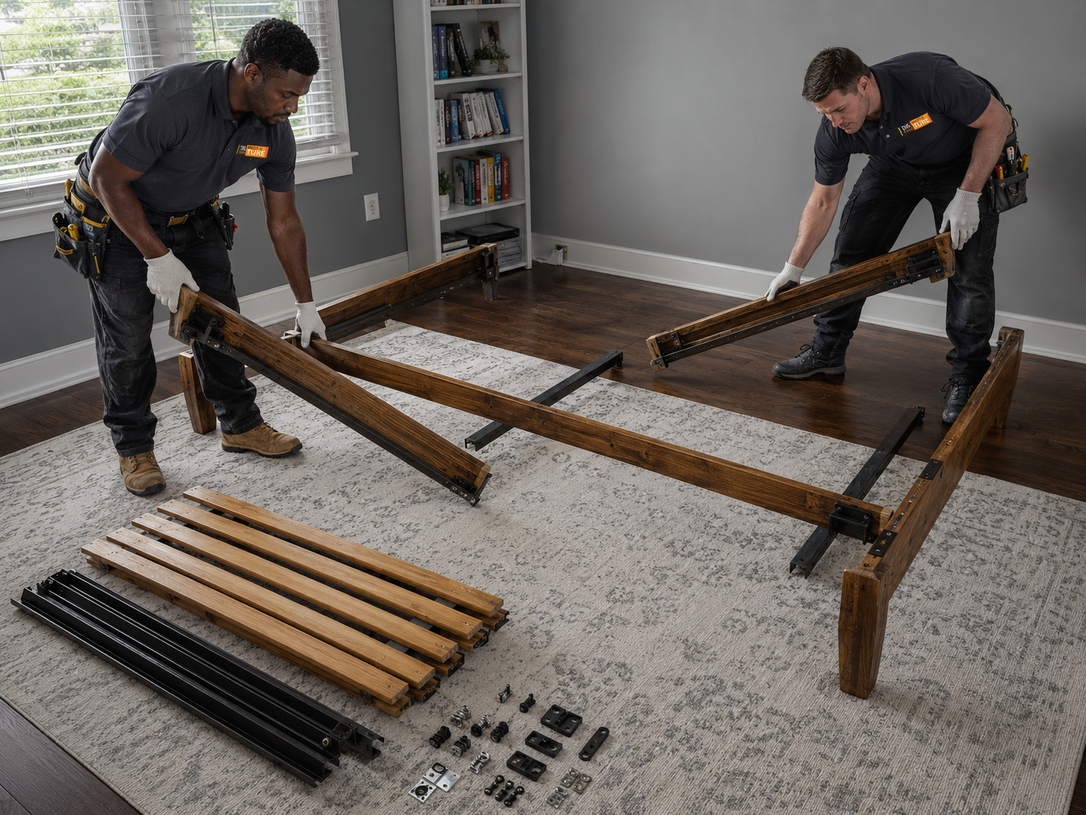
How to Move a China Cabinet Without Damaging Glass Shelves or Frames
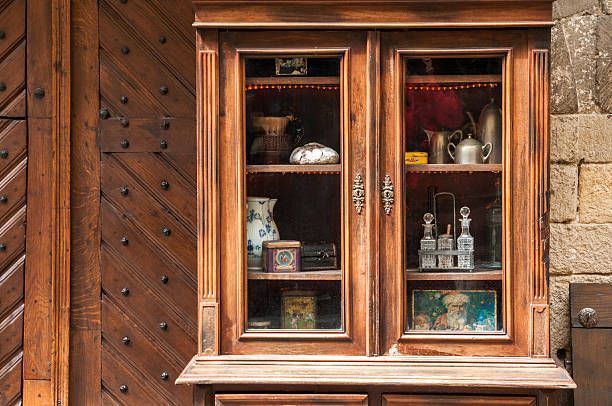
The Right Way to Move a China Cabinet Safely Without Breaking Glass or the Frame
Many homeowners underestimate how fragile and physically demanding a china cabinet move really is. These pieces combine heavy wooden frames, thin glass panels, and removable shelves that are never designed for transport. Without the right technique, glass shelves crack against each other, wooden corners split, and cabinet joints separate under uneven load.
The consequences go far beyond a broken shelf. Antique china cabinets often carry irreplaceable sentimental and financial value. A single shattered panel or cracked frame can make full restoration impossible. The physical weight of these cabinets also creates real injury risk, particularly on stairs or through narrow doorways, and the delays and emergency costs that follow only compound the problem.
Dismantle Furniture specializes in professional china cabinet disassembly, protective packing, damage-free transport, and full reassembly after the move across Maryland, Washington DC, Delaware, Pennsylvania, and Northern Virginia. If you want your cabinet relocated without any risk of costly damage, contact a professional before you lift a single piece.
Why Moving a China Cabinet Is One of the Highest Risk Furniture Moves
China cabinets rank among the most difficult residential furniture pieces to relocate because they combine fragile glass components, dense wooden frames, and an unbalanced weight distribution. The upper hutch section holds glass panels that flex under lateral pressure, while the base sits heavy and low. Even a short move across a room can result in permanent damage when the cabinet is not properly prepared first.
Most china cabinets weigh between 150 and 350 pounds. That load concentrates unevenly between the base and hutch, and it shifts the moment anyone attempts to tilt or carry the piece intact. Revised furniture safety standards address the specific hazards associated with moving large case goods that contain glass, underscoring the need for methodical disassembly before transport.
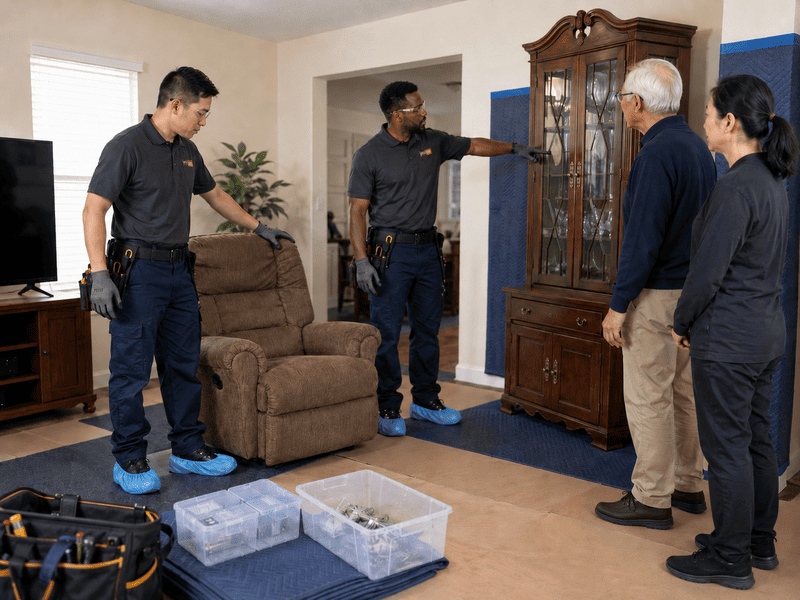
The team at Dismantle Furniture built their china cabinet and curio cabinet disassembly, moving, and reassembly services around these exact risk factors. Every cabinet receives a full structural assessment before a single component is removed.
Common Reasons Glass Shelves Break During China Cabinet Moves
Glass shelves break most often because they are left inside the cabinet during the move. When the cabinet flexes, vibrates, or tilts, unsecured shelves slide off their support pins and strike the interior frame or each other. The result is cracked or shattered glass that is expensive to match and replace.
Several specific factors cause this to happen:
- Unsecured shelves: shelves left on pins move freely with every vibration and tilt
- Improper wrapping: unpadded glass cracks on contact with any hard surface
- Staircase vibration: each step creates repeated impact that shifts shelf pins out of position
- Pressure from over-tightened blankets: excess tightening creates stress points across flat glass panels
- Skipped disassembly steps: rushing the process leads to glass components colliding during transit
Many china and display cabinets are built with standard or tempered glass that handles everyday use well but cannot absorb the forces of transport without proper preparation.
How to Safely Remove and Pack Glass Shelves Without Cracking or Scratching
Remove every glass shelf individually before moving the cabinet. Start at the top and work down, holding each shelf flat with both hands spread evenly across its surface. Lifting from one end creates a flex point along the length of the shelf that can cause it to crack before it is even out of the cabinet.
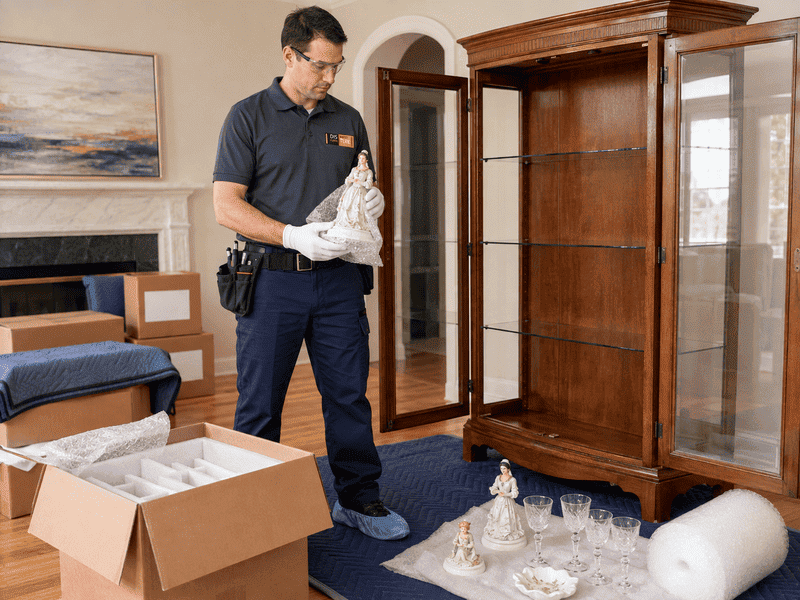
Once removed, wrap each shelf in a base layer of packing paper followed by a full wrap of bubble wrap. Secure with tape that does not contact the glass surface directly. Pack shelves standing upright in a double-wall box rather than flat, because stacking glass horizontally compounds the weight pressing on each lower piece.
Our furniture disassembly for moving guide covers glass handling in greater detail and applies across many cabinet types beyond china cabinets.
Key packing steps to follow:
- Packing paper base layer: prevents scratching from tape adhesive and bubble wrap texture
- Vertical box orientation: eliminates compression from stacking weight
- Foam dividers between shelves: removes any contact point during transit movement
- Padded edge protection: guards the corners where chips and cracks begin
- Clearly labeled boxes: communicates fragile content to every person involved in the move
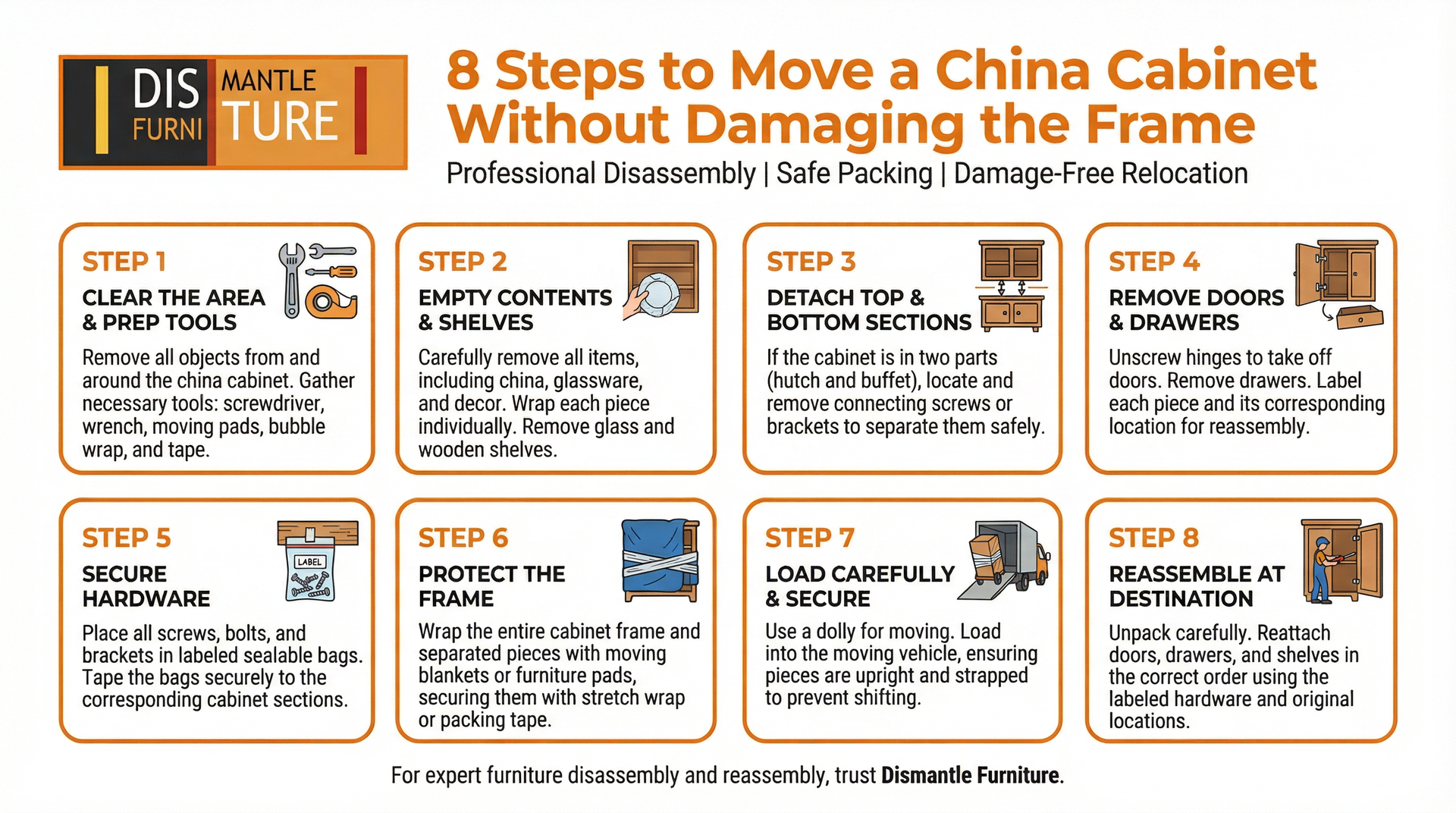
Step-by-Step Process to Move a China Cabinet Without Damaging the Frame
Moving a china cabinet without damaging the frame requires disassembly before any lifting begins. Attempting to move the cabinet as a single intact unit is the most common cause of frame stress, split joints, and cracked glass doors.
The correct sequence is:
- Remove all contents and decorative items from inside and on top of the cabinet.
- Take out every glass shelf individually and pack them separately as described above.
- Separate the upper hutch from the lower base if the cabinet is a two-piece design.
- Remove glass doors at the hinge pins and wrap each door flat with full padding.
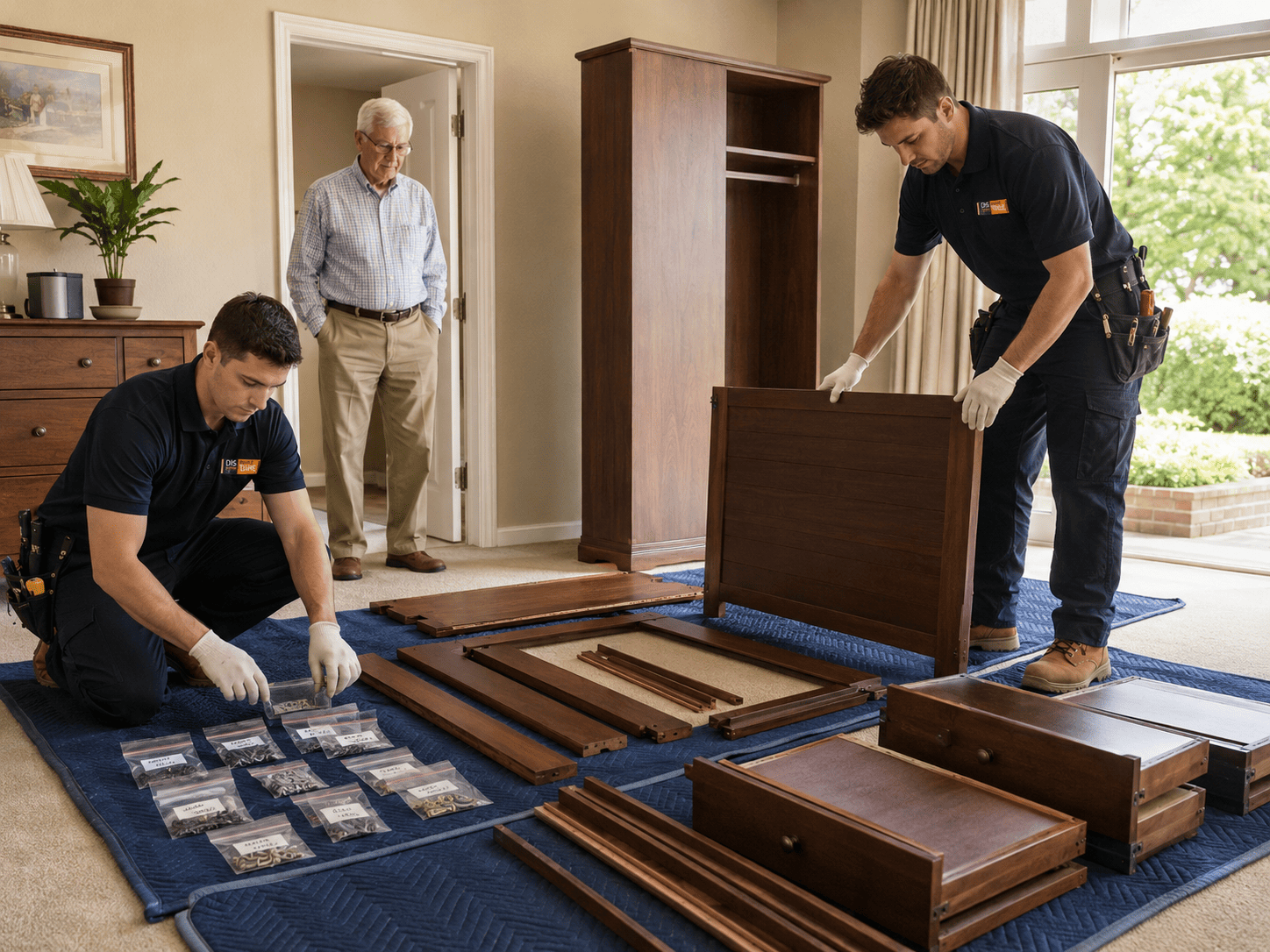
- Bag all hardware and fasten the labeled bags inside the cabinet interior.
- Wrap each frame section in furniture moving blankets with extra padding at corners.
- Move the base and hutch on a padded dolly as separate loads.
- Reassemble fully in the destination room before reinstalling any glass components.
Many curio and display cabinet collections from established furniture manufacturers include intentional separation points between upper and lower sections, designed specifically to support this kind of move. Locating those points before applying any force protects the joinery and prevents permanent frame damage.
Best Materials to Protect Glass Panels Corners and Wooden Frames
The right packing materials are just as important as the right technique. Improvising with bedsheets, towels, or newspaper leaves glass and wooden frames exposed to contact damage, vibration cracks, and surface scratches throughout the move.
Effective protective materials include:
- Furniture moving blankets: cushion wooden frame sections and protect against surface scuffs
- Double-wall cardboard boxes: provide the rigidity needed to protect glass shelves under compression
- Corner protectors: shield the most structurally vulnerable points on the frame
- Stretch wrap: holds padding securely without tape adhesive touching finished wood surfaces
- Foam sheeting: fills internal box gaps and prevents contents from shifting during transport
- Non-adhesive packing tape: secures outer wrap without surface contact risks
Experienced home furniture assembly professionals use this same material combination on every job because inadequate packing is consistently where preventable damage originates.
How to Navigate Doorways Stairs and Tight Spaces with a China Cabinet
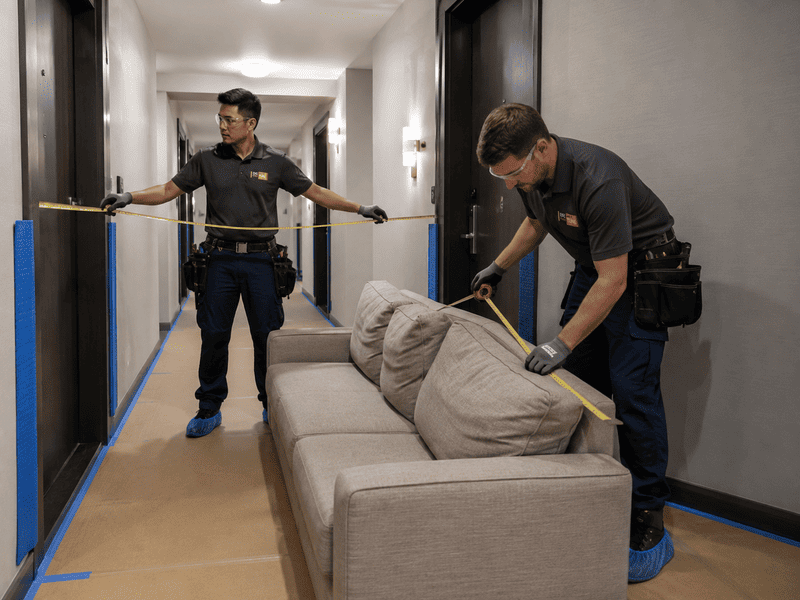
Measure every passage on the planned route before lifting anything. A cabinet that does not fit through a doorway upright must be tilted, and tilting immediately shifts the load balance, increases fatigue, and raises the risk of dropping. Planning the path in advance eliminates that risk before it develops.
Measure the cabinet width, height, and depth against every doorway, hallway, and stairwell turn. Identify the tightest clearance point and plan the approach angle from there. On stairs, assign one person to each end of the section being carried, with a third person acting as a spotter on each step.
Practical navigation steps include:
- Measure all clearances before lifting: confirm fit before committing to any route
- Remove doors along the path: even an inch of additional clearance can prevent damage
- Use a padded furniture dolly: reduces lifting fatigue and improves directional control on flat surfaces
- Verbal communication throughout: coordinated calls prevent sudden unplanned movements
- Lean load toward the wall on stairs: stabilizes the cabinet against the surface and reduces fall risk
Homeowners in Baltimore and throughout the region considering professional assistance can review typical moving service costs in Baltimore to understand what professional relocation generally involves before reaching out for a quote.
When You Must Disassemble a China Cabinet Before Moving
Professional disassembly is a precision skill, not simply a workaround for tight spaces or a step to rush through before the actual move begins. Knowing how a china cabinet is engineered, where it separates safely, and in what sequence each component should come apart is what separates a damage-free relocation from a costly repair job. A trained technician reads the cabinet's construction before touching it, identifies every separation point by design rather than guesswork, and works through each stage in the correct order to keep joints, glass, and finishes completely intact.
Disassembly is required when the cabinet cannot pass through any passage as a single unit, when the design includes a separate hutch and base, when stairs are involved, or when the cabinet must be loaded into a vehicle. Beyond those conditions, professional disassembly adds value even when the path is wide and clear, because removing components before transport eliminates every source of vibration pressure and contact stress that reaches the glass and frame in transit.
Expert furniture installation specialists consistently confirm that quality residential furniture is engineered with clean separation points in mind. Trained professionals know exactly where those points are on every major cabinet construction type, and they work with that engineering rather than against it.
Reassembly is the second half of the same skill set and deserves equal attention. A cabinet that is correctly disassembled but carelessly reassembled will have loose joints, misaligned doors, and shelves that do not sit level. Professional reassembly means every connection point is restored to specification, every door is rehung to its original alignment, and the cabinet returns to the same structural stability it had before the move began.
Dismantle Furniture's furniture dismantling and relocation services include full disassembly and complete reassembly at the destination as a standard part of every job, not as an optional extra.
Mistakes That Cause Permanent Damage to Antique or Glass Cabinets
Antique china cabinets require a higher level of care than modern production pieces because original glass, period joinery, and aged finishes cannot be reproduced. Several entirely preventable mistakes cause the most irreversible harm.
Furniture assembly services that regularly handle pieces damaged during DIY moves report the same recurring damage patterns regardless of cabinet style or age. The root cause is almost always a skipped step in the disassembly or packing process.
The most damaging mistakes include:
- Leaving glass shelves inside during transport: the leading cause of cracked and shattered glass
- Wrapping moving straps around glass panels: concentrated strap pressure creates stress fractures
- Dragging the cabinet instead of lifting: destroys feet, splits base corners, and scratches flooring
- Skipping hardware removal: loose handles and brackets scratch interior surfaces during transit
- Tilting the cabinet face-forward onto a dolly: transfers full weight to the glass door panels
- Moving with only one person: uneven lifting torques the frame and loosens structural joints
Office furniture assembly teams that regularly handle large case goods note that transport mishandling is the primary source of structural damage across every furniture category, not the initial setup or installation.
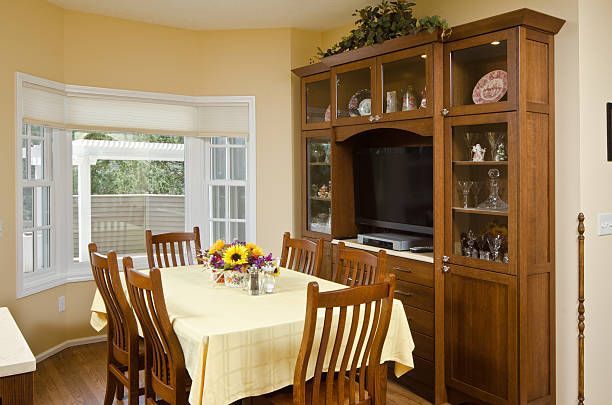
Why Hiring Professional Furniture Dismantling Services Prevents Costly Damage
Professional furniture dismantling services prevent costly damage because they arrive with the right tools, trained process, and direct experience handling cabinet structures from disassembly through to final reassembly. A china cabinet is not simply a heavy object. It is a precision-built piece with interlocking glass and wood components that require a specific sequence of disassembly, protective packing, careful transport, and skilled reassembly to relocate without damage.
DIY moves routinely produce repair costs that exceed what a professional service would have charged from the start. Some damage to original glass panels and antique frames is simply not reversible at any price. Just as homeowners call specialists for complex projects around the house, from managing specialized outdoor item disposal and recycling to handling seasonal recreational equipment maintenance, furniture of this fragility and value deserves the same professional standard.
Dismantle Furniture serves clients across Maryland, Washington DC, Delaware, Pennsylvania, and Northern Virginia, handling full disassembly, protective packing, safe transport, and complete reassembly so your cabinet arrives exactly as it left.
Move Your China Cabinet Safely with Professional Disassembly and Relocation
Moving a china cabinet without the right help risks shattered glass, damaged frames, and real physical injury. Dismantle Furniture provides professional disassembly, damage-free transport, and full reassembly for china cabinets, curio cabinets, and all types of fragile furniture throughout the mid-Atlantic region.
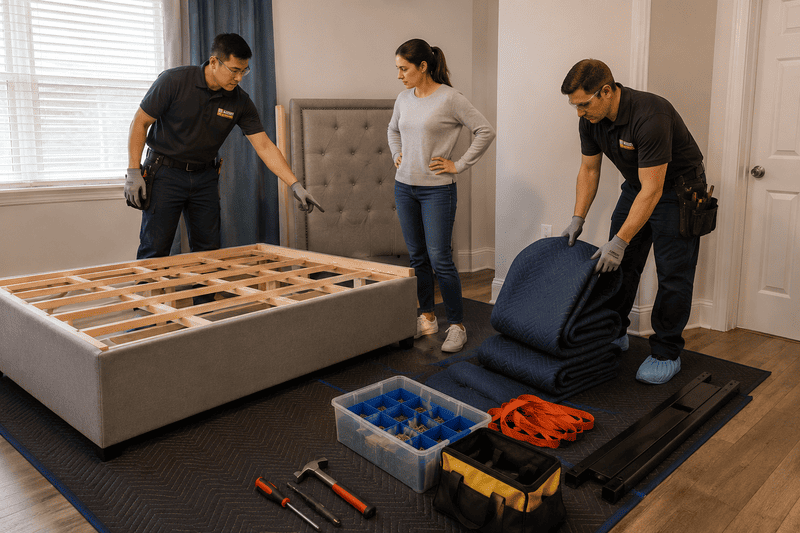
The team also handles a broad range of other furniture services, including bedroom set disassembly and reassembly, modular shelving relocation, large wardrobe dismantling, home office furniture moves, and full household furniture coordination for residential and commercial relocations. Whether you are moving locally in Rockville, relocating across town in Alexandria, or transporting a valued piece to a new home in Wilmington or Harrisburg, professional service ensures nothing is damaged in the process.
Request your free quote today and let Dismantle Furniture handle every step of your china cabinet move safely, efficiently, and without surprises.
Frequently Asked Questions About Moving a China Cabinet Safely
How do you move a china cabinet without breaking the glass shelves?
Remove all glass shelves individually before the cabinet is moved. Wrap each one in packing paper followed by bubble wrap, then pack them upright in double-wall boxes with foam dividers between each shelf to prevent contact during transport.
Do you need to disassemble a china cabinet before moving it?
Disassembly is required for two-piece cabinets, moves involving stairs, and any passage too narrow for the cabinet to pass through upright. Moving the cabinet intact under any of these conditions significantly increases the risk of frame damage and shattered glass.
What does professional china cabinet disassembly include?
Professional disassembly covers removing glass shelves and doors, separating the hutch from the base, bagging and labeling all hardware, and wrapping every component correctly before transport. It also includes full reassembly at the destination, restoring the cabinet to its original structural condition.
How heavy is a china cabinet and how many people are needed to move it?
Most china cabinets weigh between 150 and 350 pounds. Moving one safely requires at least two people handling each section, with a third person acting as a spotter on stairs or through tight doorways to maintain control throughout.
What is the safest way to pack glass shelves for a move?
Wrap each shelf individually in packing paper first, then add a full layer of bubble wrap. Pack shelves upright in a clearly labeled fragile box with foam padding between each piece. Stacking glass shelves flat on top of each other concentrates weight and causes cracking.
Can a china cabinet be moved without disassembly?
Only in very limited situations, such as a single-level space with wide clear passages and no stairs, can a china cabinet be moved intact after shelves are removed. Any stairs, tight doorways, or vehicle loading make full disassembly necessary to prevent permanent damage.
What should I look for when hiring someone to move a china cabinet?
Look for a service that specializes in furniture disassembly and reassembly, not just general moving. The team should assess the cabinet's construction before starting, use appropriate packing materials for glass, and provide full reassembly at the destination as a standard part of the service.
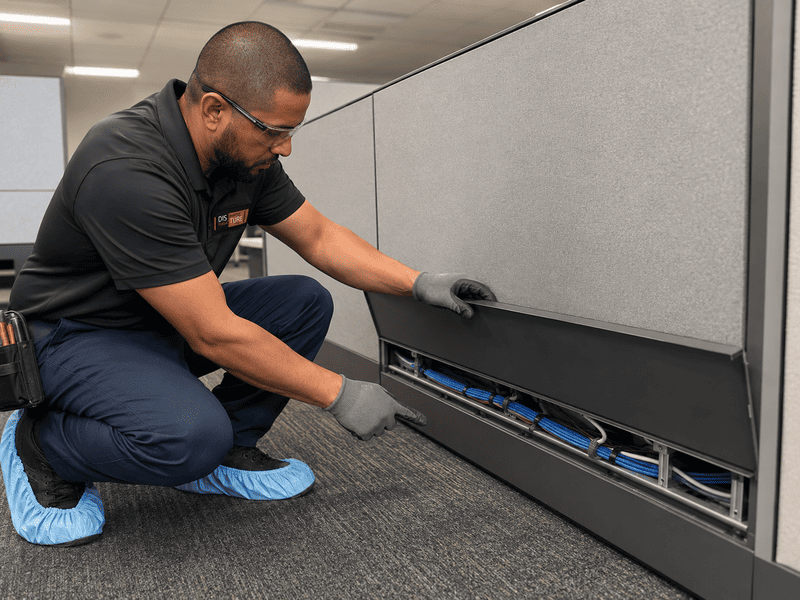
Reconfigure Your Modular Office Layout Flawlessly with Our Professional Cubicle Breakdown and Repair