Furniture Disassembly and Reassembly Services for Moving, Renovation and Storage Projects

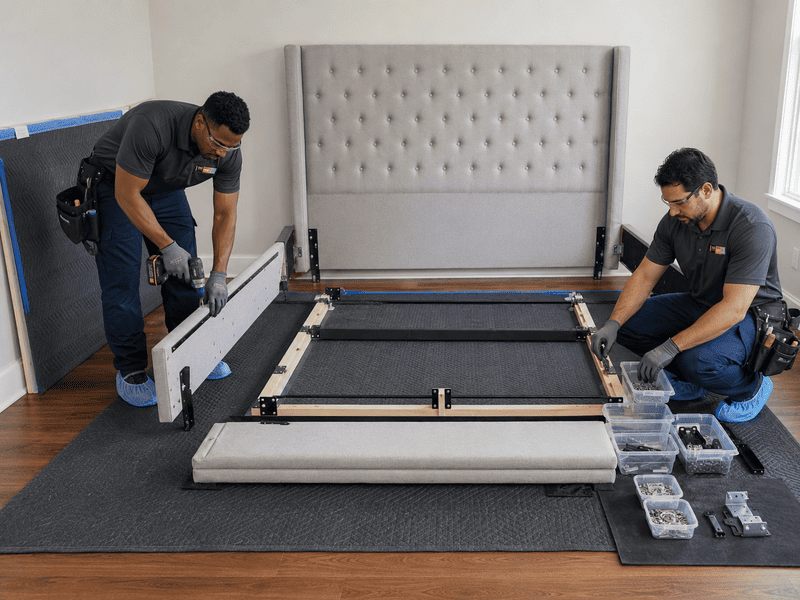
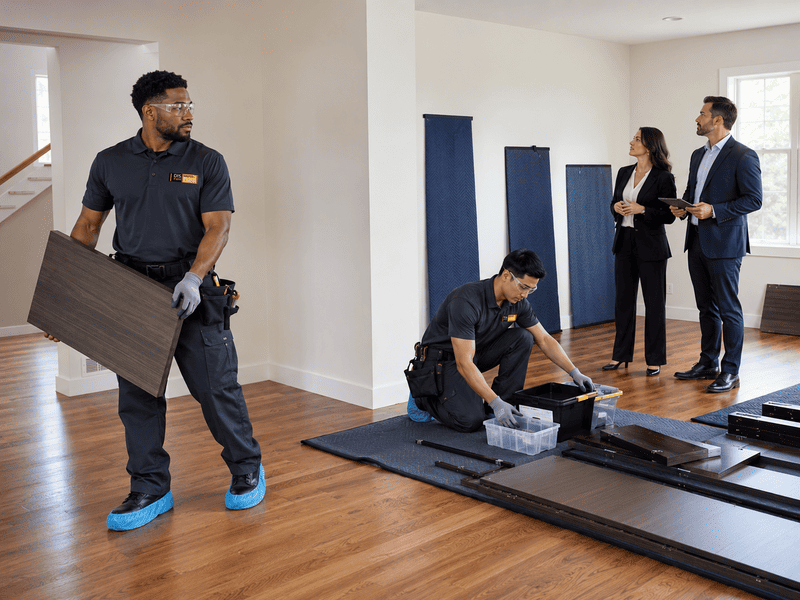
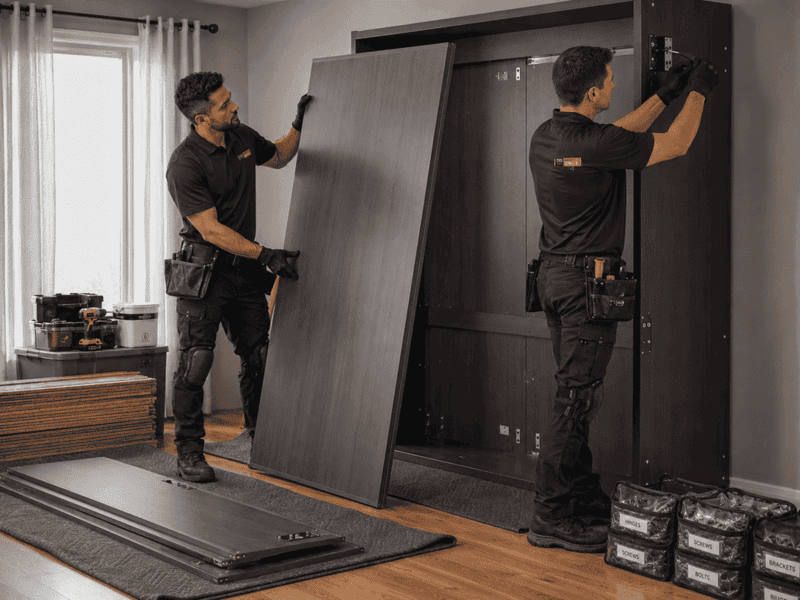
Furniture disassembly and reassembly services help protect large, heavy, or delicate pieces during moving, renovation, and storage projects. Instead of forcing oversized furniture through doors, risking scratched floors, or losing hardware, a professional take-apart and reassembly plan keeps the job safer, faster, and more organized.
The problem usually starts when a bed frame will not clear a stairwell, a sectional will not turn a corner, or a desk must be moved before contractors arrive. Then the pressure builds. Damage, delays, missing bolts, and strained backs can quickly turn a simple project into an expensive one. That is why homeowners, renters, landlords, office managers, and property teams often hire Dismantle Furniture to handle furniture breakdown, part organization, careful transport prep, and correct reassembly from start to finish.
Why Furniture Disassembly Matters Before a Major Move
Furniture disassembly matters before a major move because large pieces travel more safely when stress points, protruding parts, and awkward dimensions are reduced in advance. It lowers the chance of furniture damage, protects walls and door frames, and helps movers work more efficiently through tight homes, apartments, and office spaces.
A fully assembled bed, desk, wardrobe, or conference table is harder to maneuver and easier to damage in transit. Even when an item technically fits, forcing it through narrow turns often leads to gouged finishes, cracked joints, and wasted time. That is why smart move planning often starts with a professional review of what should come apart before loading.
For many households and businesses, a take-apart plan also improves scheduling. Elevators, loading docks, and reserved move windows leave little room for trial and error. A practical furniture disassembly for moving guide can help explain why prep work matters, while understanding liability protection options for household moves is also useful when transport damage is a concern.
What Types of Furniture Usually Need to Be Taken Apart
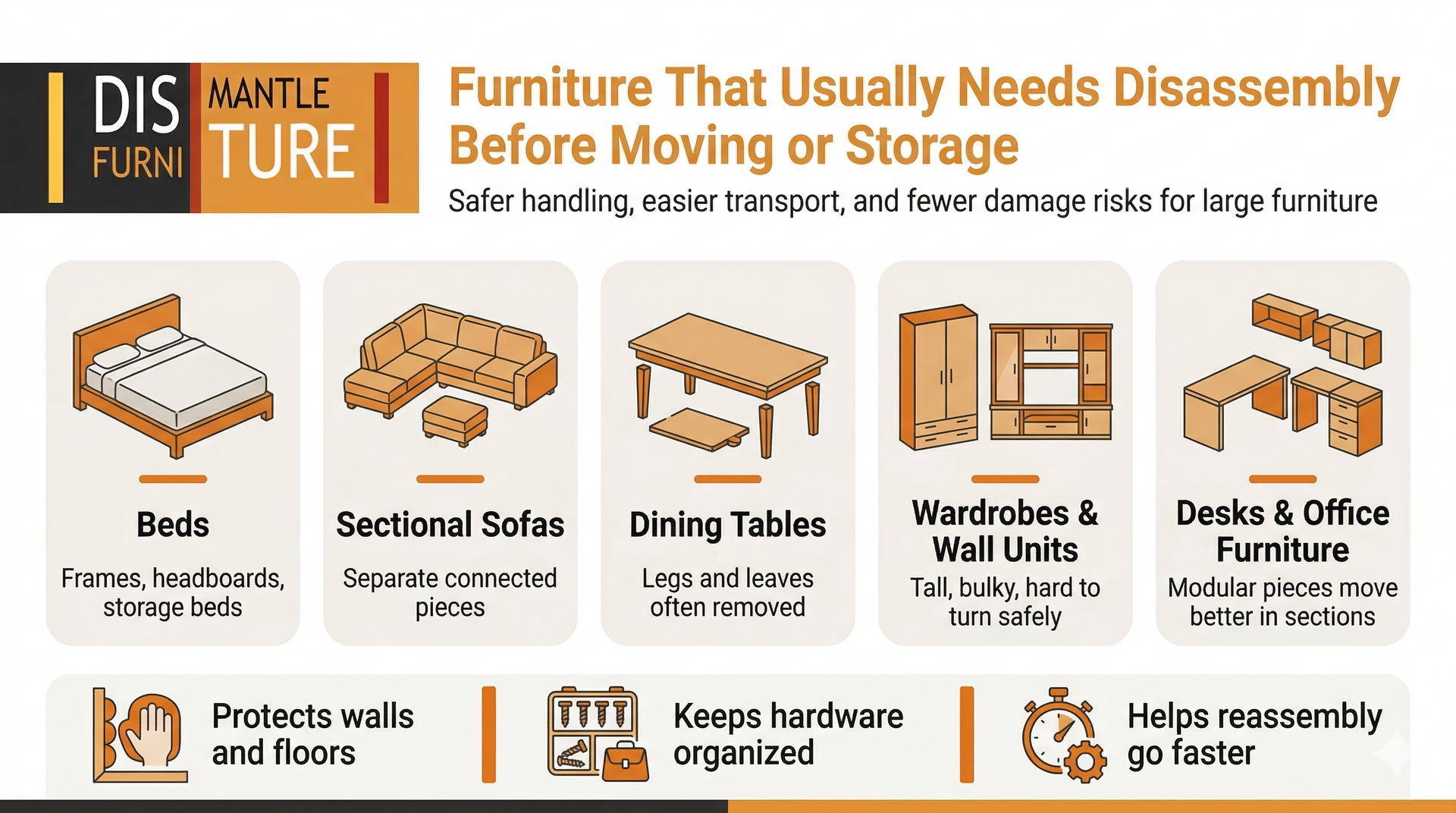
The furniture most likely to need disassembly includes beds, sectionals, large tables, wall units, modular office furniture, and oversized storage pieces. These items often have dimensions, weight distribution, or fixed components that make safe movement difficult without reducing them into smaller, manageable parts.
Some pieces are simply too bulky for safe transport as-is. Others can be moved intact but should not be, especially when a finish is delicate or the route is tight.
Common examples include:
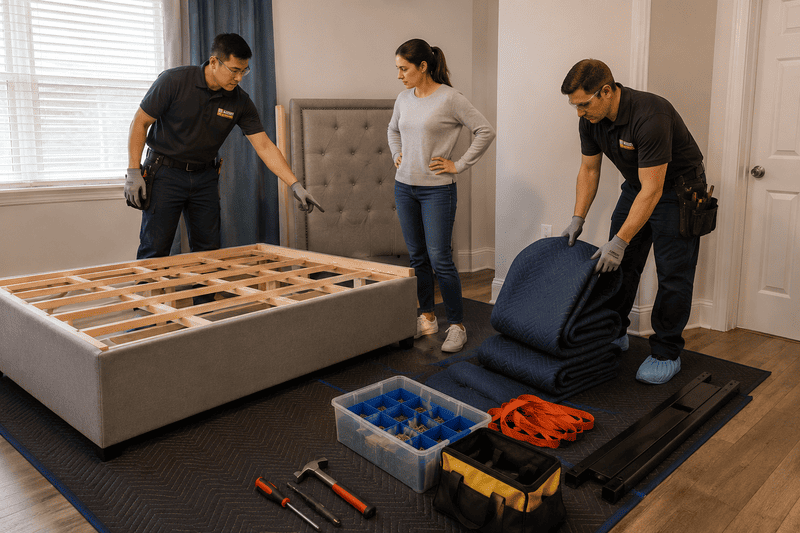
- Bed frames with headboards, footboards, slats, and storage drawers
- Sectional sofas with multiple locking pieces
- Dining tables with removable legs or fragile tops
- Desks, cubicles, and modular office systems
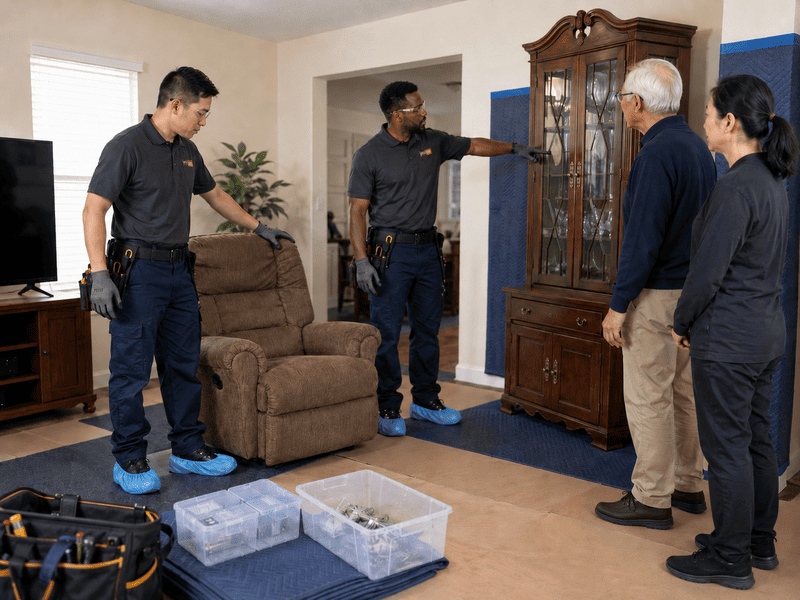
- Armoires, entertainment centers, and bookcases over six feet tall
- Nursery furniture, bunk beds, and loft beds with multiple connection points
For homeowners, this often means bedroom and living room pieces. For landlords and property managers, it may involve staging furniture, turnover items, or units with limited access. For businesses, large workstations and reception pieces are common candidates for large furniture disassembly.
How Does Reassembly Help After Moving or Renovation
Reassembly helps after moving or renovation by restoring strength, function, and room usability once furniture reaches its final position. It also prevents the common problem of parts sitting loose for days, which can delay occupancy, create clutter, and increase the chance of missing hardware or incorrect setup.
Furniture reassembly is more than putting pieces back together. Done correctly, it ensures brackets are aligned, fasteners are tightened properly, and the item is stable on the finished floor surface. That matters after painting, flooring replacement, tenant improvements, or a multi-room move.
Reassembly also supports faster recovery after disruption. A renter can get a bedroom back in service sooner. A property manager can complete turnover work more efficiently. An office manager can reopen a workspace without desks and storage units sitting half-finished.
In many cases, homeowners also want placement help once the furniture is rebuilt. Services similar to home setup support after assembly show how valuable final placement can be when a room must become functional again right away.
Can Large Furniture Be Moved Safely Without Disassembly
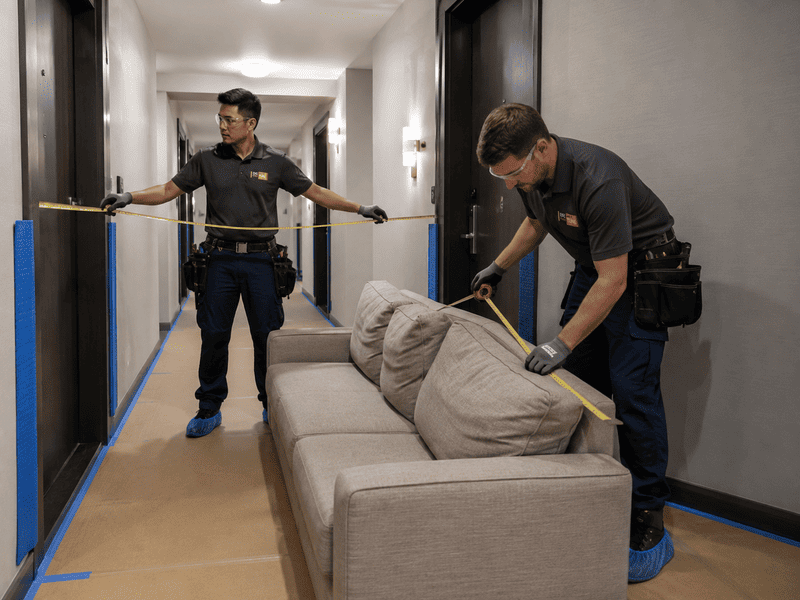
Large furniture can sometimes be moved without disassembly, but it is often the riskier choice. If a piece must pass through tight hallways, stairwells, elevators, or narrow doorways, leaving it assembled increases the chances of injury, property damage, and structural stress on the furniture itself.
The key question is not only whether it fits, but whether it can be moved safely with enough clearance and control. That is especially important in apartments, older row homes, managed buildings, and office corridors.
Warning signs that disassembly is the smarter option include:
- The furniture must pivot through sharp corners
- Legs, glass panels, or shelves stick out during the move
- The piece is top-heavy or awkward to grip
- Elevator depth or doorway width is limited
- Two or more people would still struggle to stabilize the load
In buildings with stairs, elevators, and narrow turns, these apartment furniture relocation in tight hallways and elevators are common. Safety matters too. Current lifting limits guidance makes it clear that awkward heavy lifting should not be handled casually, and many people are better served by hiring professional movers for heavy items instead of improvising on move day.
When transport is part of the project, coordinated moving and hauling help keeps the process smoother after the furniture is taken apart.

What Should Be Labeled and Saved During Disassembly
Every bolt, screw, bracket, washer, connector, cap, and specialty fastener should be labeled and saved during disassembly. Clear labeling prevents delays during reassembly, reduces the risk of stripped parts or missing hardware, and helps each piece return to its proper room and orientation after moving, storage, or renovation.
Hardware organization is the simple process of keeping every removable part matched to the exact furniture item it came from. When done well, it prevents confusion and protects the furniture from being reassembled with the wrong fasteners.
A reliable labeling system usually includes:
- One sealed bag or container per furniture piece
- A written label with room name and item name
- Photos of hardware placement before removal
- Notes for left and right panels, top and bottom sections, or drawer order
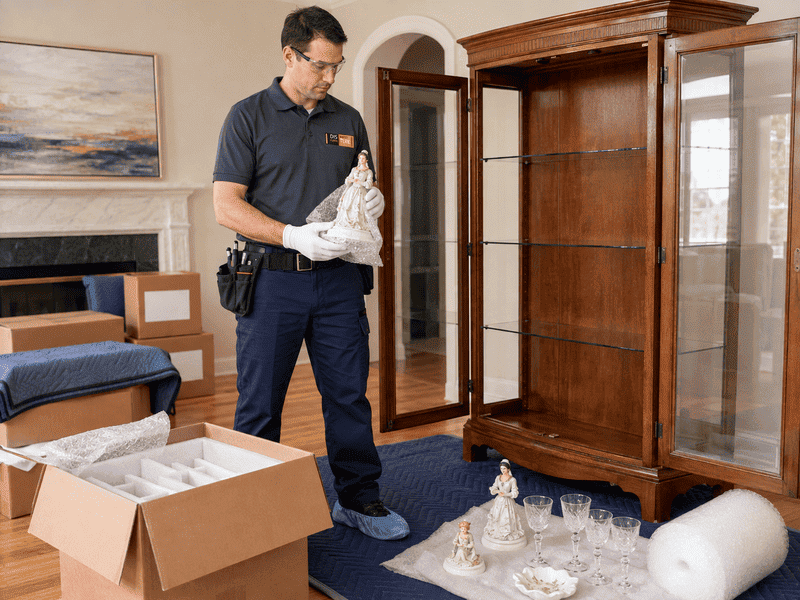
- Protective wrapping for loose shelves, glass, and finished panels
This step matters even more when several rooms are being cleared at once. In homes under renovation, hardware can easily get mixed with contractor materials. In offices, parts from matching desks or cabinets can become impossible to sort without a disciplined process.
Why Storage Projects Often Require Partial Furniture Breakdown
Storage projects often require partial furniture breakdown because smaller, flatter components stack more efficiently, suffer less pressure damage, and fit better in controlled storage areas. Breaking down the right pieces also reduces dead space, helps with inventory tracking, and makes short-term or seasonal storage much easier to manage.
Many people assume storage means wrapping furniture and sliding it into a unit. In reality, oversized assembled pieces waste square footage and create balance problems when units are packed tightly. Partial breakdown keeps storage safer and more cost-effective.
This is especially useful for:
- Renovation projects where rooms must be cleared quickly
- Apartment transitions with a gap between move-out and move-in dates
- Estate cleanouts and property turnover work
- Office reconfigurations and phased commercial projects
- Seasonal or overflow storage for bulky furniture components
Business owners may also need a plan for shelving and files during a project, which is why commercial storage cabinet planning can be relevant in office settings. For homes under renovation, temporary overflow solutions such as temporary outdoor storage shed installation may also help keep furniture protected while interior work is underway. The same logic applies to careful disassembly and relocation planning: organized breakdown first, safe placement second.
Common Mistakes That Damage Furniture During Take Apart and Reassembly
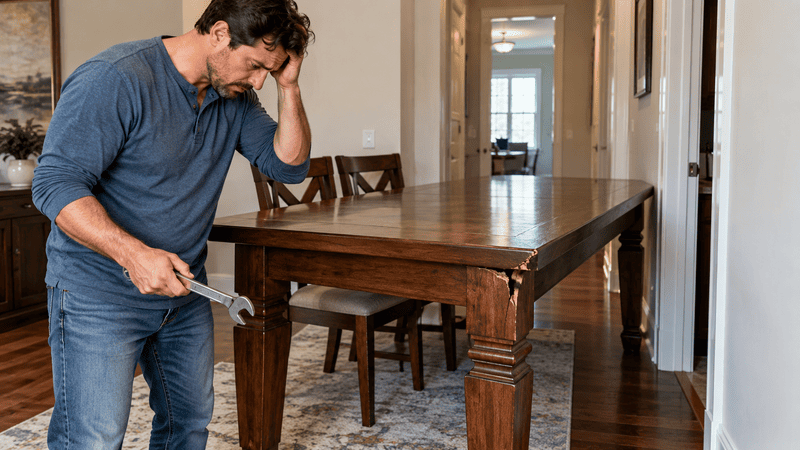
The most common mistakes are forcing joints apart, using the wrong tools, skipping labels, over-tightening hardware, and reassembling pieces in the wrong order. These errors can crack wood, strip threads, misalign frames, and create wobble that shortens the life of otherwise good furniture.
DIY disassembly often goes wrong when people rush. A screwdriver that does not fit properly can chew up screw heads. A drill used too aggressively can split panels. Missing a hidden connector can lead to broken trim or bent brackets.
Frequent damage-causing mistakes include:
- Removing fasteners before the furniture is supported
- Mixing hardware from multiple pieces together
- Forgetting to protect finished edges during transport
- Reinstalling panels backward or upside down
- Tightening everything before the frame is properly aligned
These problems affect more than appearance. They can make the furniture weaker, less stable, and harder to move again in the future. That is why same-day furniture disassembly and professional furniture reassembly are often worth it when timing and condition both matter.
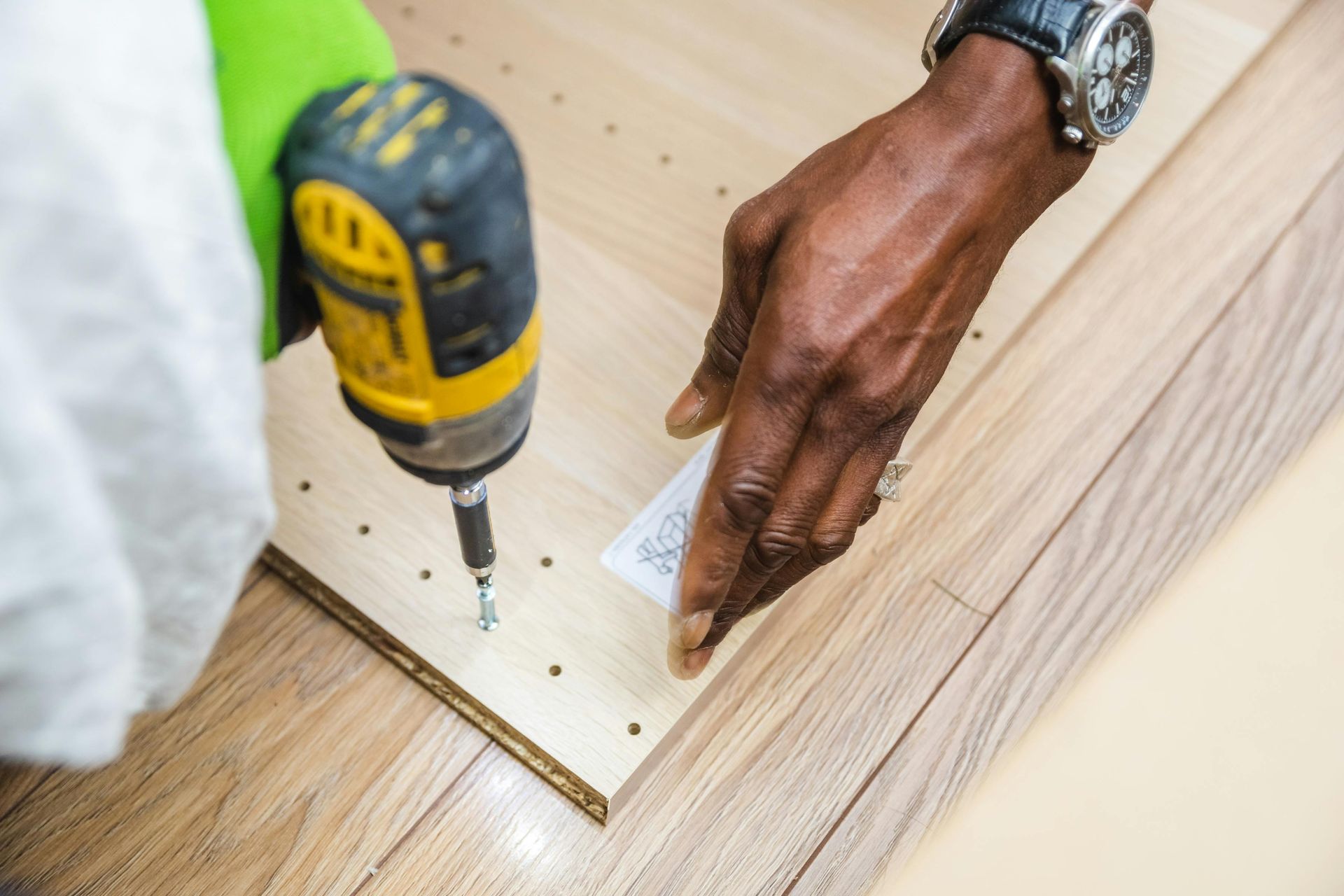
How Professional Handling Helps Protect Walls Floors and Hardware
Professional handling protects walls, floors, and hardware by reducing uncontrolled movement and using a methodical process from the first screw removed to the final placement. It keeps heavy items balanced, protects finished surfaces, and prevents the small but costly losses that happen when hardware, trim, and panels are handled casually.
A skilled team plans the route, stabilizes the piece, and protects contact points before anything is moved. That matters in single-family homes, high-rise apartments, rental turnovers, and active office buildings where one mistake can lead to repairs, complaints, or schedule delays.
Professional crews commonly help by:
- Padding corners, edges, and floor contact areas
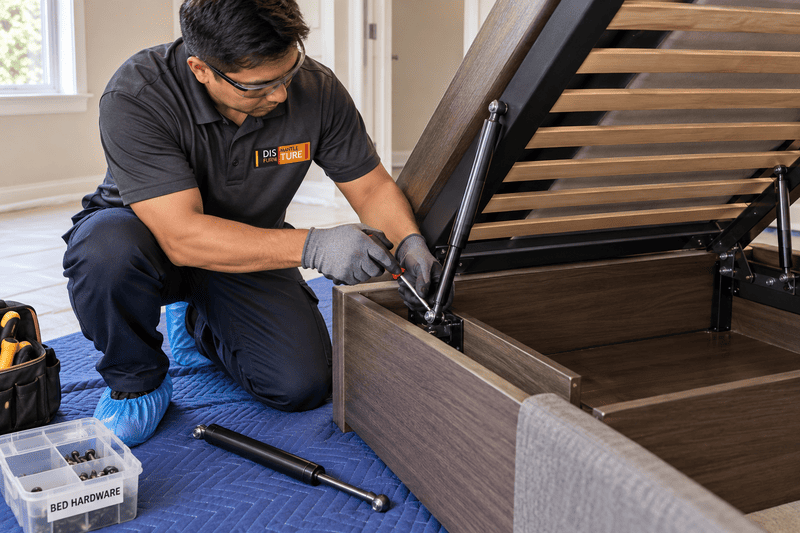
- Removing vulnerable legs, glass, and shelves before transport
- Keeping hardware separated and documented
- Reassembling on level surfaces with the correct sequence
- Coordinating access in buildings with rules, elevators, or time windows
High-value items benefit even more from careful handling. In those cases, standards similar to white glove delivery handling make sense. If you need broader support beyond a single item, Dismantle Furniture also offers a full range of furniture support services for homes, apartments, offices, and project-based needs.
Keep Your Furniture Move Renovation or Storage Plan on Track
Keeping your project on track starts with organized disassembly, protected handling, and correct reassembly at the right time. When furniture is bulky, delicate, or tied to a deadline, hiring Dismantle Furniture helps reduce delays, protect finishes, and keep homes, apartments, offices, renovations, and storage cleanouts moving forward smoothly.
Whether you are preparing a move in Baltimore, clearing rooms for renovation in Bethesda, managing apartment access in Arlington, resetting office furniture in Alexandria, staging storage in Rockville, handling turnover work in Wilmington, or coordinating a project in Harrisburg, professional help removes guesswork. Dismantle Furniture serves Maryland, Washington DC, Delaware, Pennsylvania, and Northern Virginia with practical support built around safer movement and better reassembly outcomes.
If you want a clear plan before the work begins, request a quick estimate. Many customers also need adjacent support after the furniture is handled, such as modular office furniture installation for workplace setups or even unrelated project planning questions like how long it takes to install a basketball hoop when multiple property improvements are happening at once.
Key Takeaways
- Furniture disassembly and reassembly reduces damage risk during moves, renovation prep, and storage projects by making large items safer to handle and easier to place.
- Beds, sectionals, dining tables, wardrobes, wall units, and modular office furniture are among the most common pieces that benefit from a professional furniture take apart service.
- Labeling hardware, photographing parts, and organizing panels by room prevents delays, missing pieces, and avoidable mistakes during reassembly.
- Partial breakdown is often the best storage strategy because it saves space, improves stacking, and keeps bulky furniture from being stressed in transit or packed awkwardly.
- DIY mistakes such as forcing joints, mixing fasteners, or using the wrong tools can weaken furniture and create expensive finish or structural damage.
- Dismantle Furniture is a smart choice for homeowners, renters, landlords, property managers, office managers, and business owners who need careful, organized, and dependable furniture handling across Maryland, Washington DC, Delaware, Pennsylvania, and Northern Virginia.
Frequently Asked Questions About Furniture Disassembly and Reassembly
Do all furniture pieces need to be disassembled before a move?
No, not every piece needs to be taken apart before moving. Smaller, sturdy items may travel safely intact, but large, fragile, or awkward furniture often should be disassembled to prevent damage and improve access.
How long does furniture disassembly and reassembly usually take?
Most jobs take anywhere from a short single-item visit to several hours for multiple rooms or office furniture. The exact time depends on item complexity, access conditions, and whether transport or storage prep is included.
What hardware should always be saved during furniture take apart?
All screws, bolts, washers, brackets, cam locks, dowels, and specialty connectors should be saved. Keeping each set with its matching furniture piece makes reassembly faster and more accurate.
Can furniture be stored after only partial breakdown?
Yes, many items are best stored after partial breakdown rather than complete disassembly. Removing legs, shelves, glass, and detachable sections often saves space while keeping the furniture easier to identify and rebuild later.
How can reassembly damage be prevented?
Damage is reduced by using the right tools, following the original sequence, protecting finishes, and tightening hardware correctly. Labeling parts and photographing connections before take-apart also helps prevent mistakes.
Can large furniture fit through a doorway without being taken apart?
Sometimes, but measurements alone do not guarantee safe movement. Tight corners, stair rails, elevator depth, and the need for turning clearance often make disassembly the safer choice.
When is professional help better than doing it yourself?
Professional help is usually better when furniture is oversized, heavy, valuable, time-sensitive, or tied to a move, renovation, or storage deadline. It is also the safer option when access is limited or multiple pieces must be handled in one visit.
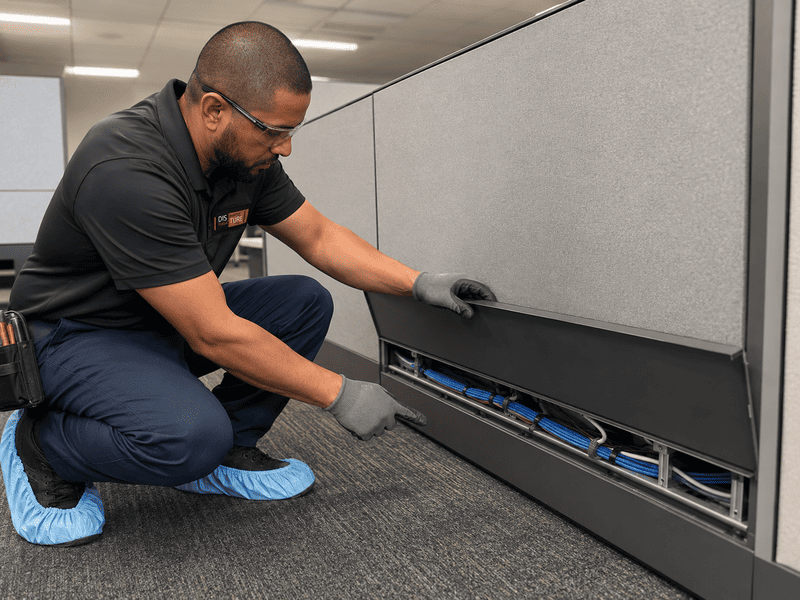
Reconfigure Your Modular Office Layout Flawlessly with Our Professional Cubicle Breakdown and Repair