How Long Furniture Disassembly Takes for Sofas, Beds, Cabinets, and Office Furniture
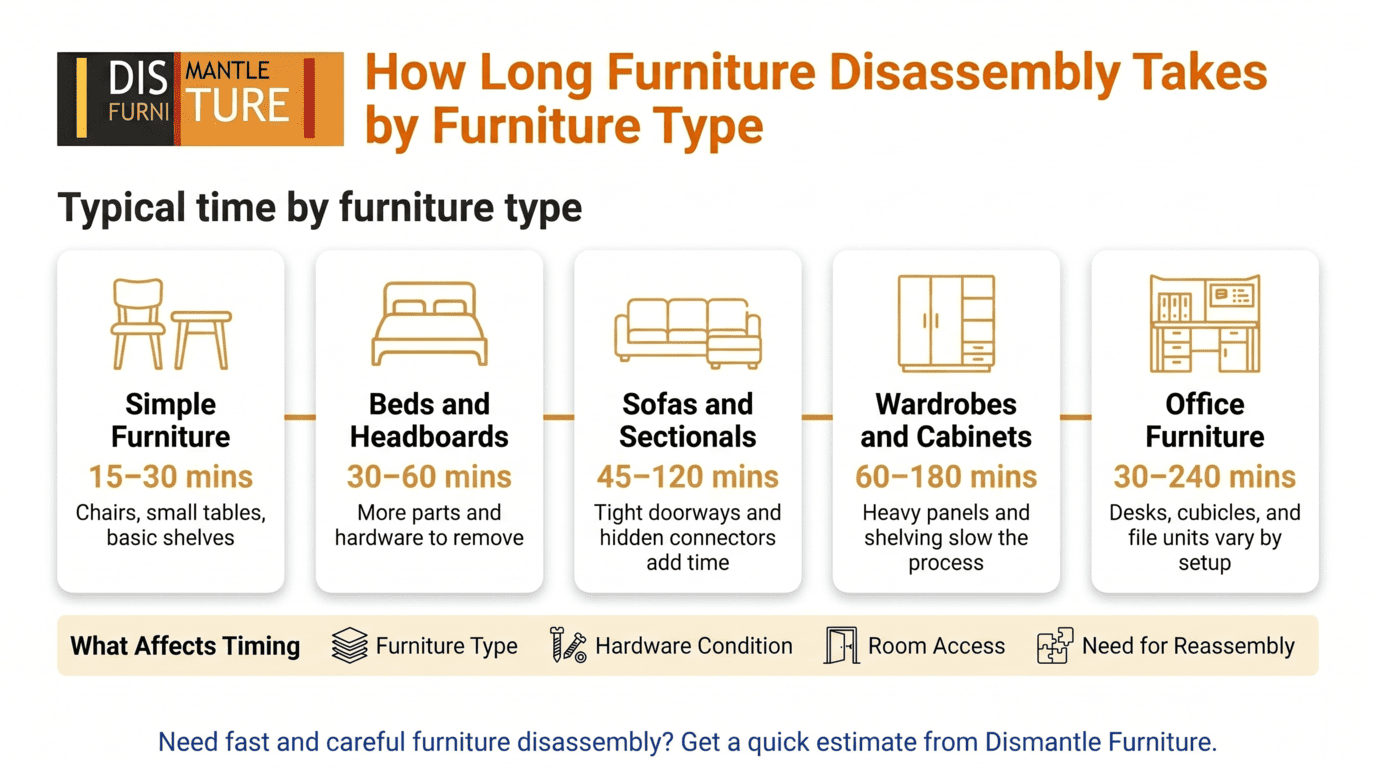
Most furniture disassembly takes 15 minutes to 2 hours per item, depending on the size and complexity. Simple pieces may take under 30 minutes, while sofas, sectionals, wardrobes, cabinets, and office furniture often take longer. Timing depends on furniture type, hardware, room access, size, age, and whether the item needs to be moved or reassembled later.
- Simple furniture may take 15–30 minutes.
- Beds and headboards often take 30–60 minutes.
- Sofas, sectionals, wardrobes, cabinets, and office furniture can take longer.
- Tight spaces, damaged hardware, and complex builds increase time.
- Professional disassembly can reduce delays and avoid damage.
Many people underestimate how long furniture disassembly takes because the job looks simple from the outside. Then the “quick” task turns into a puzzle of hidden bolts, stripped screws, tight apartment layouts, heavy panels, built-in storage, and moving deadlines. That is when delays start stacking up. Professional furniture disassembly helps keep the process safer, faster, and more organized, especially when furniture needs to be moved, removed, relocated, repaired, or reassembled without missing parts or damage.
Why Furniture Disassembly Time Varies by Type and Setup
Furniture disassembly time varies because every item is built differently, placed differently, and used differently. A basic bed frame may come apart quickly, while a large wardrobe, recliner sofa, or modular office desk may require careful part removal, labeling, and handling to avoid damage during moving or reassembly.
Furniture disassembly time refers to how long it takes to safely take furniture apart into movable sections without damaging frames, panels, hardware, walls, floors, or parts needed for reassembly.
The biggest timing difference usually comes from how the furniture was built. Flat-pack furniture may have many screws and cam locks. Solid wood furniture may be heavier and less forgiving. Older items may have stuck fasteners, warped panels, or hardware that no longer turns cleanly.
Common timing ranges include:
- Small tables, chairs, and simple shelving: 15–30 minutes
- Beds and headboards: 30–60 minutes
- Sofas and sectionals: 45 minutes to 2 hours
- Wardrobes and cabinets: 1–3 hours
- Office furniture systems: 1–4 hours or more
For larger moving projects, furniture disassembly is also part of responsible furniture removal preparation. If items are being discarded or recycled, planning can reduce waste, especially when materials are separated properly.
How Long It Takes to Disassemble Sofas and Sectionals
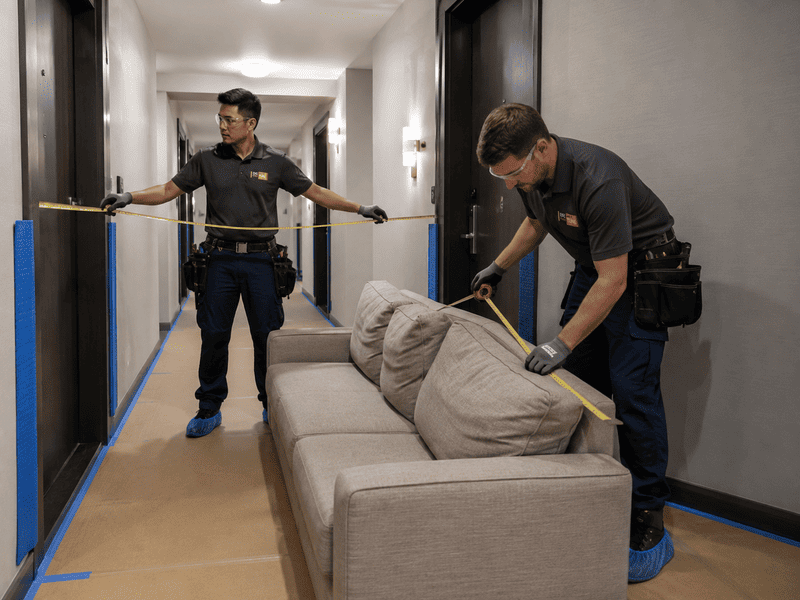
Sofa disassembly time usually ranges from 45 minutes to 2 hours, depending on the sofa style, recliner mechanisms, sectional clips, size, and room access. A simple sofa may only need legs removed, while a large sectional or sleeper sofa can require deeper frame separation and careful handling.
Sofas look simple until they do not fit through a doorway. That is when disassembly becomes more than removing a few legs. Sectionals may have hidden brackets, locking clips, reclining parts, or storage compartments. Sleeper sofas can also be heavy because of the internal metal bed frame.
Typical sofa disassembly timing:
- Standard sofa with removable legs: 15–30 minutes
- Large couch with tight doorway access: 45–90 minutes
- Sectional sofa with connectors: 1–2 hours
- Recliner sofa or sleeper sofa: 1–2 hours or more
For oversized couches, hiring professional sofa disassembly services can prevent torn upholstery, damaged door frames, and unnecessary lifting struggles. This is especially useful in apartments, brownstones, condos, and homes with narrow hallways.
If the sofa is being moved with other heavy items, a professional moving team can also help reduce injury risk. This is why many people pair disassembly with heavy item moving support when furniture is too awkward or risky to carry as one piece.

How Long Bed and Headboard Disassembly Usually Takes
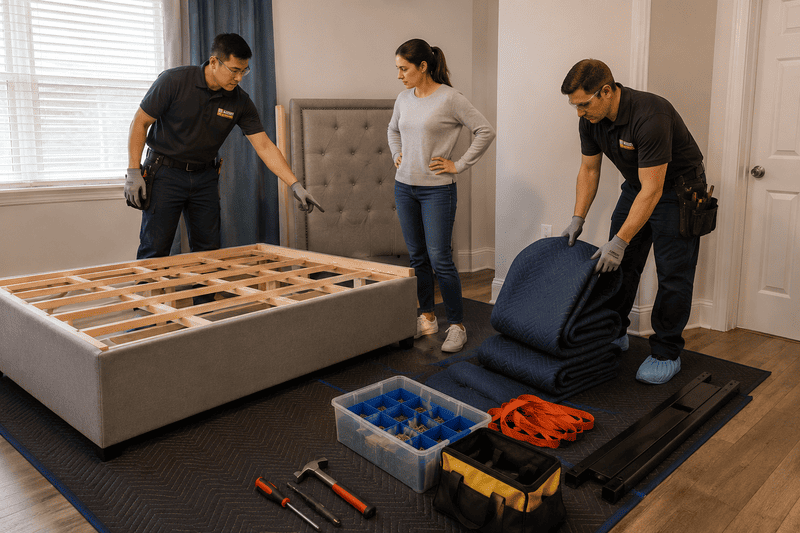
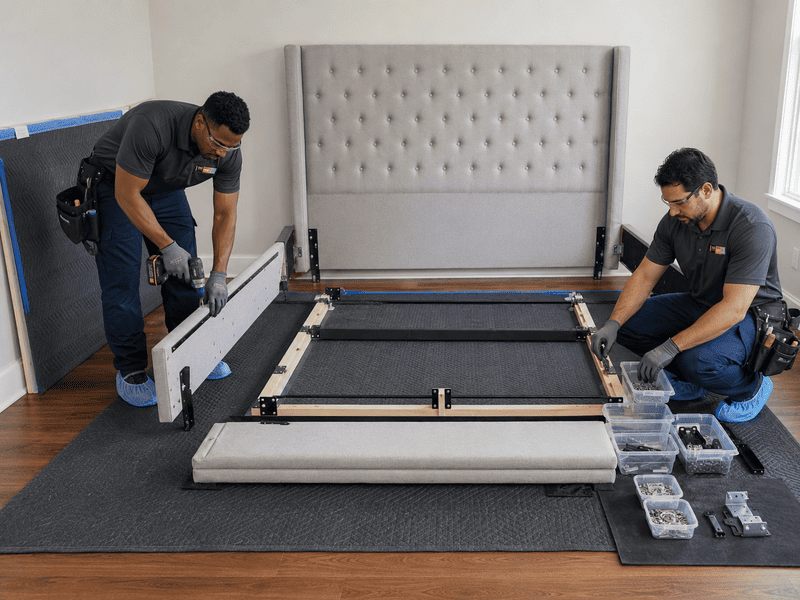
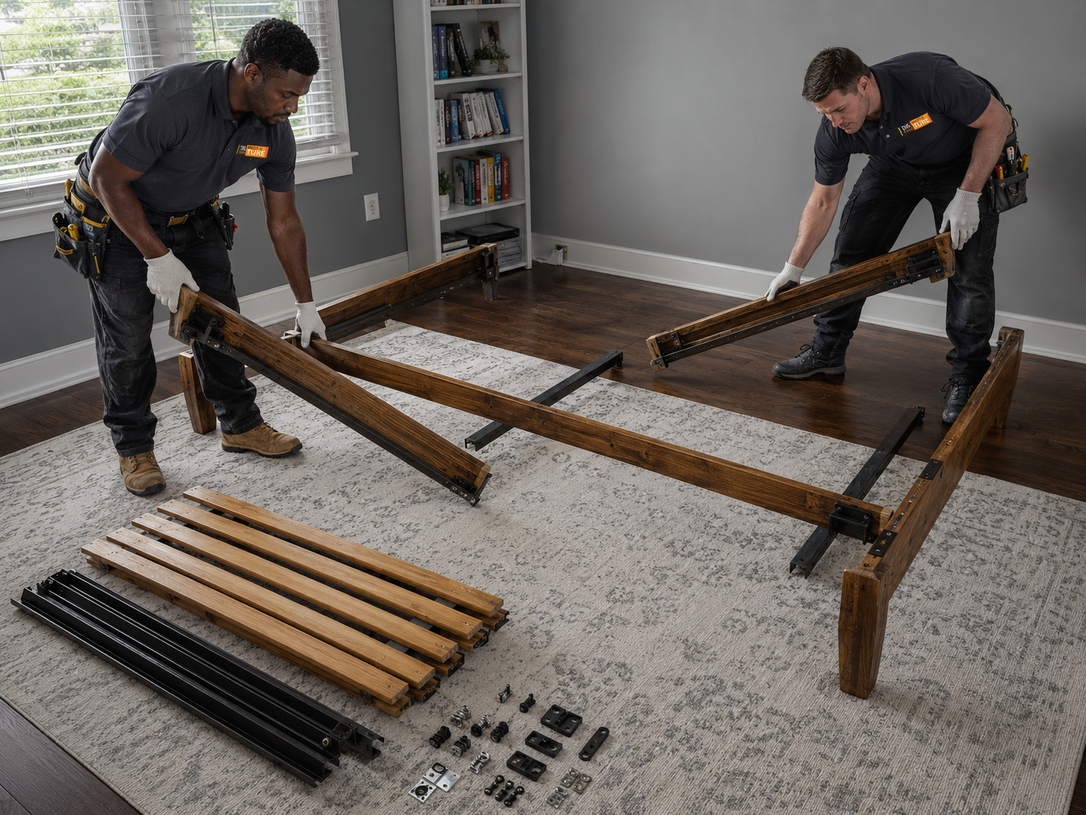
Bed disassembly time usually takes 30–60 minutes for most standard frames, including headboards. Platform beds, storage beds, bunk beds, and adjustable bases can take longer because they include more panels, drawers, brackets, motors, or hardware that must be removed in the right order.
A basic metal bed frame is usually quick. A wooden bed with slats, side rails, a footboard, and a tall headboard takes more time because each piece needs to be loosened safely and protected from scratches.
Common bed and headboard timing:
- Basic metal bed frame: 15–30 minutes
- Standard wood bed and headboard: 30–60 minutes
- Storage bed with drawers: 1–2 hours
- Bunk bed or loft bed: 1–2 hours
- Adjustable bed base: 45–90 minutes
Headboards deserve extra care because they are often attached to both the bed frame and wall, or they may be oversized and difficult to angle out of a room. If the headboard is large, upholstered, wall-mounted, or part of a luxury bed set, careful headboard disassembly helps protect the fabric, fasteners, and wall surfaces.
How Long Wardrobes and Cabinets Take to Disassemble
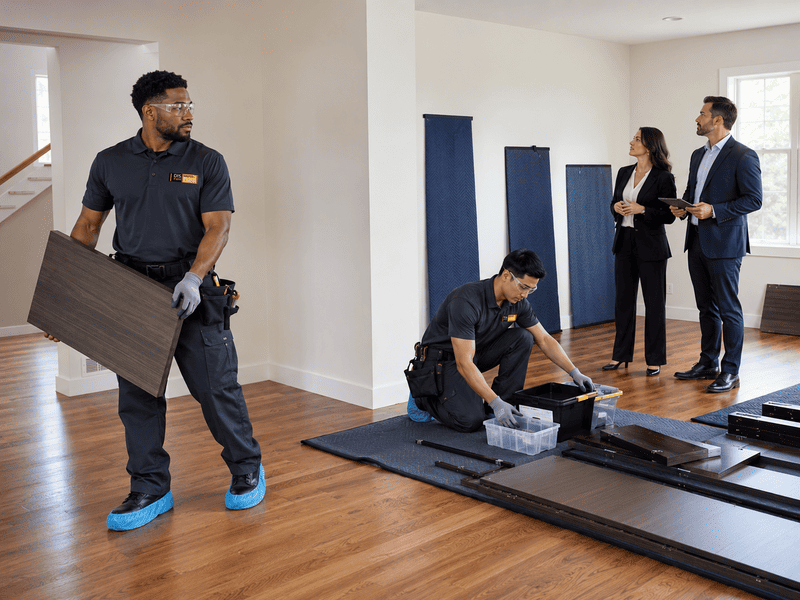
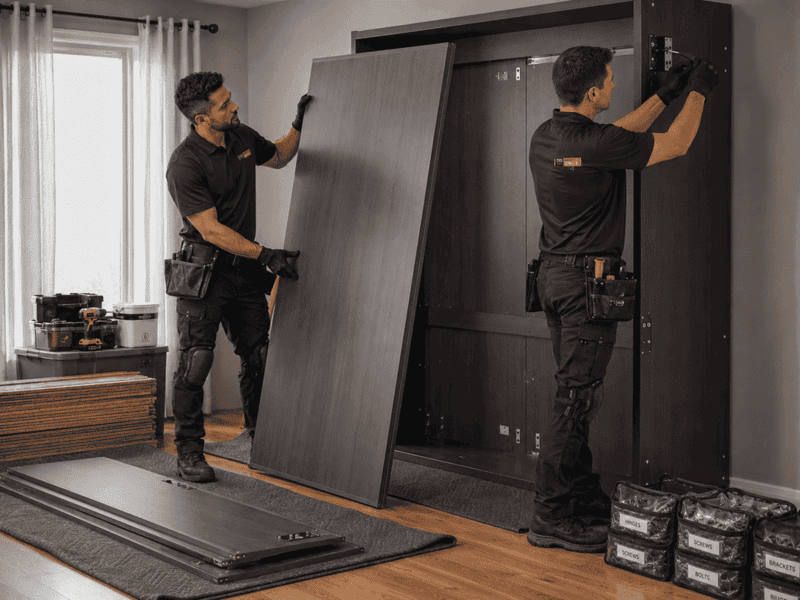
Wardrobe disassembly time usually ranges from 1–3 hours, while cabinet disassembly may take 30 minutes to several hours depending on size, wall attachment, shelving, doors, and built-in features. Large storage furniture takes longer because panels must stay supported while hardware is removed.
Wardrobes and cabinets are often the most underestimated items in a home. They may look like simple storage pieces, but they can include mirrored doors, adjustable shelves, drawer tracks, back panels, wall anchors, and fragile joinery.
What adds time:
- Sliding or mirrored doors
- Wall-mounted cabinets
- Tall wardrobe panels
- Interior drawers and shelves
- Old or stripped fasteners
- Built-in or semi-built-in placement
A freestanding cabinet might take under an hour. A large wardrobe with sliding doors can take much longer, especially when it needs to be reassembled later. Professional wardrobe disassembly service is useful when panels are tall, heavy, or difficult to control in tight rooms.
For broader help with bulky items, homeowners can also compare general furniture disassembly support, especially when planning a full move or room reset.
How Long Office Furniture Disassembly Typically Takes
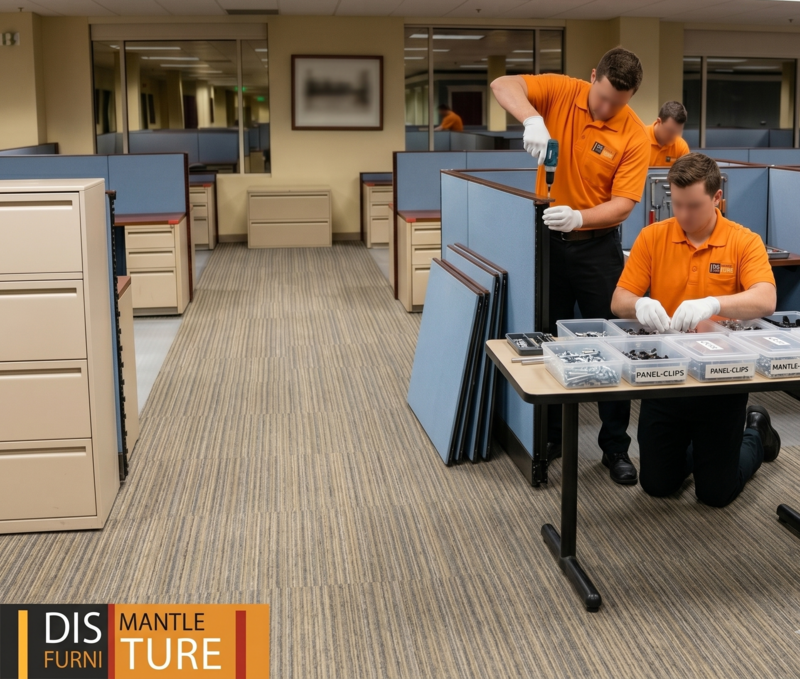
Office furniture disassembly usually takes 30 minutes to 4 hours per setup, depending on the number of desks, cubicles, conference tables, shelving units, and storage cabinets involved. A single desk may be quick, but multi-station layouts require labeling, coordination, and disruption control.
Office furniture is less about one item and more about workflow. A desk may include cable trays, privacy panels, monitor arms, file storage, return sections, and fasteners that are easy to lose if nobody tracks them.
Typical office furniture timing:
- Single office desk: 30–60 minutes
- L-shaped desk: 45–90 minutes
- Conference table: 1–2 hours
- Cubicle workstation: 1–3 hours
- Small office suite: several hours or more
Businesses should plan office furniture disassembly around downtime, access, elevators, and where each item will go next. For workplaces that need a cleaner transition, office furniture setup planning can help reduce disruption before employees return to the space.
For larger deliveries or commercial moves, white glove delivery coordination can also help when furniture needs careful handling from arrival through placement.
What Factors Affect Furniture Disassembly Time
Furniture disassembly time is affected by furniture size, hardware condition, access, age, weight, assembly style, and whether the item must be reassembled later. A piece that needs clean labeling and careful protection will take longer than furniture being broken down only for disposal.
The job is not only about removing screws. It is about removing the right screws in the right order while keeping the furniture stable.
Main timing factors include:
- Furniture size and weight
- Number of bolts, screws, brackets, and clips
- Condition of the hardware
- Room layout and doorway width
- Stairs, elevators, and hallway turns
- Whether reassembly is planned
- Need for wrapping, labeling, or part protection
If the furniture is being moved by a licensed mover, it also helps to understand what protection applies during transport. The FMCSA explains different types of moving liability protection, which matters when valuable furniture is being handled.
Can Disassembly Take Longer in Tight Spaces or Apartments
Apartment furniture disassembly often takes longer because of narrow doors, stairs, elevators, tight hallways, parking limits, and building rules. Even a simple item can take extra time when workers must angle parts carefully, protect walls, or coordinate with elevator access windows.
In apartments, the furniture is only half the problem. The building layout is the other half.
Tight-space challenges include:
- Small bedrooms with limited turning space
- Narrow stairwells and older door frames
- Elevator reservations or time limits
- Tight loading zones
- Shared hallways
- Fragile walls, floors, and corners
This is where same day furniture disassembly can help, but only when the job is realistic for the furniture and access conditions. A sofa in a walk-up apartment may need more time than a wardrobe in a wide suburban garage.
What Mistakes Slow Down Furniture Disassembly
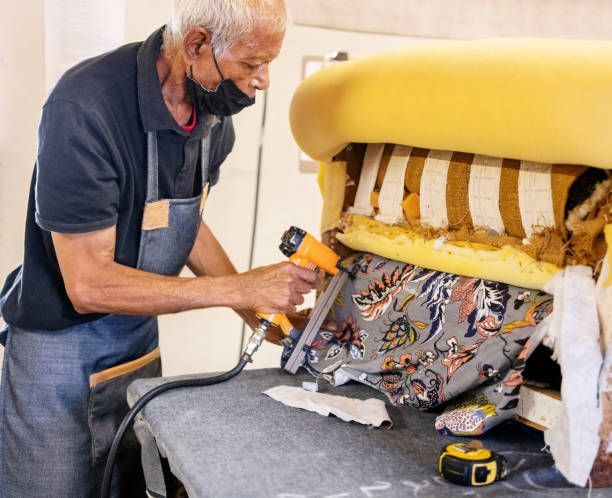
The biggest mistakes that slow down furniture disassembly are rushing, using the wrong tools, removing parts in the wrong order, failing to label hardware, and forcing pieces through tight spaces. These mistakes can turn a manageable job into broken parts, missing screws, or unsafe lifting.
The classic mistake is assuming everything comes apart the same way. It does not. Some furniture uses cam locks. Some uses hidden brackets. Some is glued, stapled, or partially built into the room.
Mistakes to avoid:
- Starting without checking how the item was assembled
- Using power tools too aggressively
- Mixing hardware from different sections
- Forgetting to photograph connections
- Removing support pieces too early
- Dragging panels across floors
- Forcing furniture through doorways
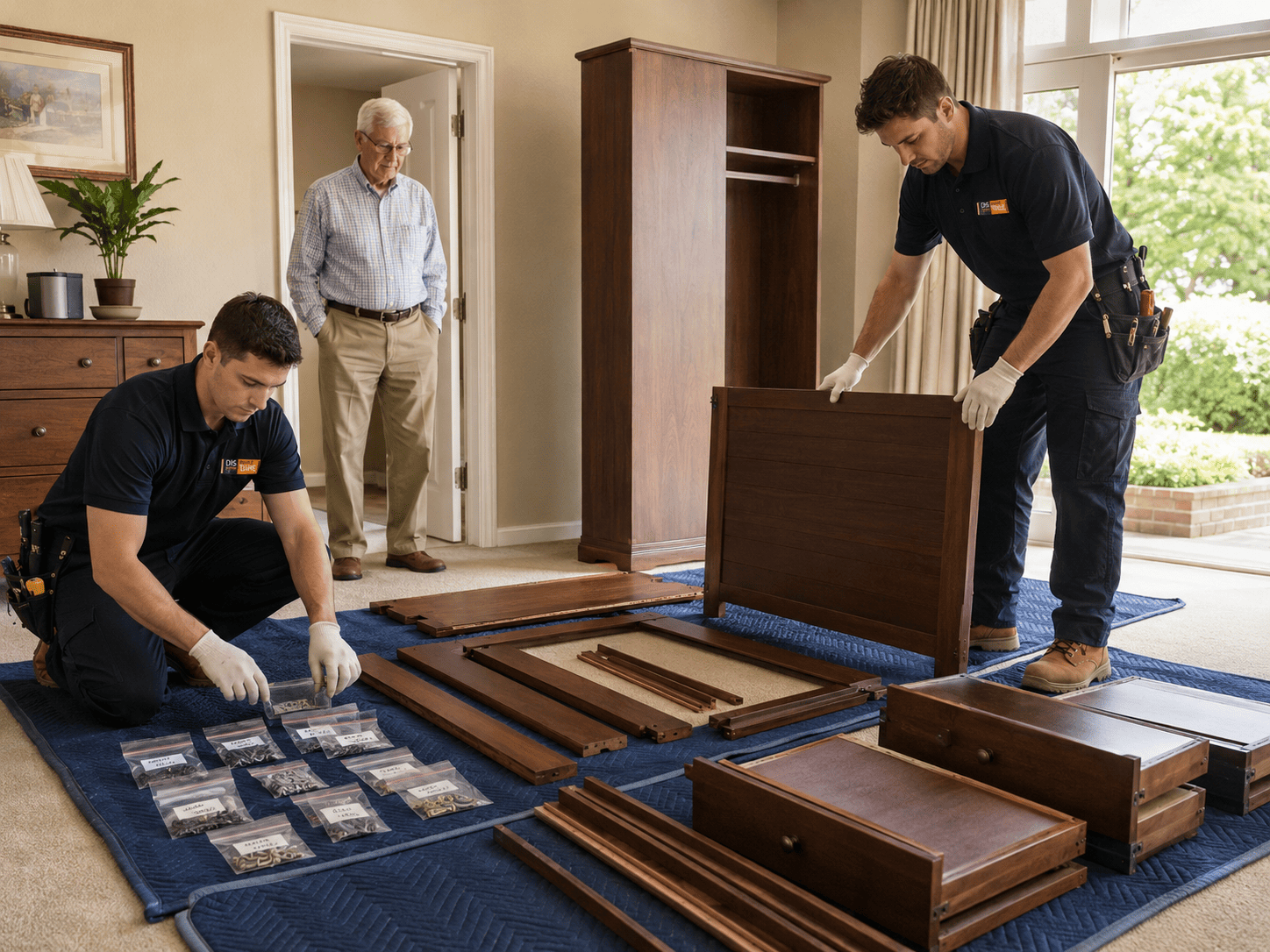
If furniture is being relocated, treat disassembly like a system. Hardware should be bagged and labeled. Panels should be protected. Heavy pieces should be moved with enough people and the right equipment.
For unusual backyard or specialty-item moves, the same principle applies. A careful disassembly and relocation process protects parts and prevents rushed handling, whether the item is indoors or outdoors.
How to Plan for a Faster and Safer Disassembly Process
The fastest disassembly starts with the right plan, tools, and careful handling. Dismantle Furniture helps protect parts, reduce delays, and prepare furniture for moving, removal, or reassembly. Request a quick furniture disassembly estimate before moving day, and review all professional disassembly services for the best fit. For after-move setup, professional furniture assembly services can help, while this guide on project timing for installations shows why planning ahead always wins.
Frequently Asked Questions About Furniture Disassembly Time
How long does it take to disassemble furniture?
Most furniture takes 15 minutes to 2 hours per item. Simple pieces are usually faster, while large wardrobes, sectionals, storage beds, and office systems can take longer.
Does furniture type affect disassembly time?
Yes, furniture type is one of the biggest timing factors. Sofas, cabinets, wardrobes, beds, and office furniture all use different hardware, support structures, and removal steps.
Can furniture disassembly be done the same day?
Yes, same day furniture disassembly is often possible for common items like beds, sofas, desks, and cabinets. Larger projects may need more planning if there are multiple rooms, tight spaces, or reassembly requirements.
What slows down furniture disassembly?
Stripped screws, hidden fasteners, heavy panels, tight access, missing tools, and poor planning can all slow the job down. Rushing also creates more risk because parts can break or hardware can get lost.
Do professionals disassemble furniture faster?
Professionals usually work faster because they know where fasteners are likely located and how to take items apart safely. They also bring the right tools and organize parts for moving or reassembly.
How long does sofa or sectional disassembly take?
A standard sofa may take 15–45 minutes if only the legs or simple parts need removal. Large sectionals, recliners, and sleeper sofas often take 1–2 hours depending on connectors, mechanisms, and room access.
Should furniture be disassembled before movers arrive?
Yes, when furniture is too large, fragile, or awkward to move as one piece, disassembly before movers arrive can save time. It also helps reduce damage to walls, floors, doorways, and the furniture itself.
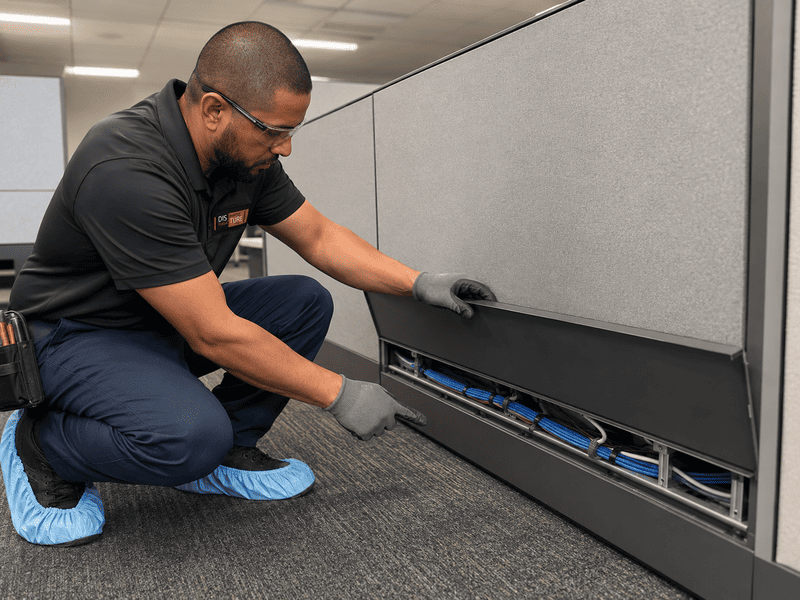
Reconfigure Your Modular Office Layout Flawlessly with Our Professional Cubicle Breakdown and Repair