The Smart Way to Move Large Furniture Through Tight Condo Hallways

The smart way to move large furniture through tight condo hallways is to measure the furniture and route first, remove doors or legs when appropriate, disassemble oversized pieces, protect walls and corners, and avoid forcing furniture through narrow turns. The best plan depends on furniture size, elevator access, hallway width, door clearance, stair turns, condo rules, moving schedule, and whether the item can be disassembled, hauled, stored, or reassembled.
- Measure large furniture before moving day
- Plan the full condo route, not just the front door
- Disassembly can solve many tight access issues
- Emergency help may be needed when furniture gets stuck
- Professional support can reduce moving day pressure
Condo Hallways Can Turn One Couch Into a Full Moving Problem
A condo move can look easy on paper, then fall apart when a sofa, dresser, bed frame, or cabinet reaches a narrow hallway, elevator corner, or unit door. Once oversized furniture starts binding against walls or turns, damage risk, delays, and building complaints can rise fast.
That is why tight condo moves often call for planning, protection, and sometimes home furniture disassembly for tight spaces. Instead of forcing a bulky piece through a shared corridor, a smarter approach is to reduce its size, control the route, and keep the move organized from room to truck.
The Route Should Be Measured Before Furniture Leaves the Room
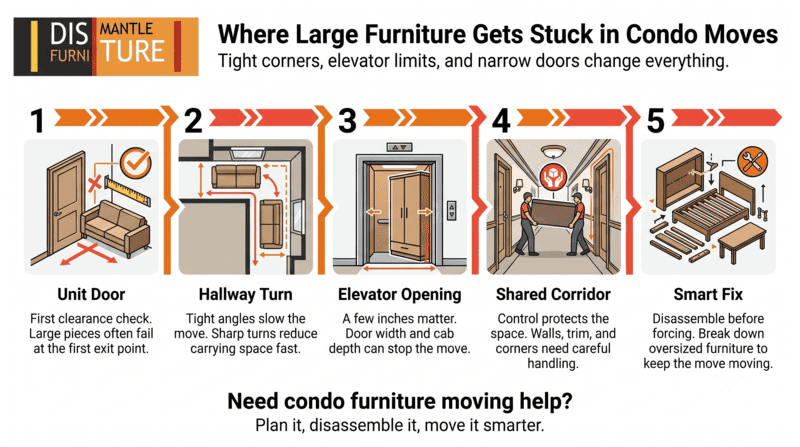
The full route should be measured before moving day because most condo furniture problems happen between the room and the exit, not at the truck. A piece may fit inside the unit but still fail at the bedroom door, the hallway turn, the elevator opening, or the lobby corner.
Condo furniture moving planning means measuring the furniture, unit doorway, hallway turns, elevator opening, stair access, moving path, building rules, protection needs, and disassembly requirements before large pieces are moved.
Before the move, check:
- Sofa arms, legs, and backs
- Dresser depth with drawers removed
- Bed frame length and headboard width
- Sectional pieces that can separate
- Cabinet overhangs and fragile corners
| Checkpoint | What to measure | Why it matters |
|---|---|---|
| Furniture size | Height, width, depth | Confirms carry angle |
| Unit doorway | Clear opening without trim guesswork | Prevents door frame jams |
| Hallway turn | Width plus turning space | Shows if rotation is possible |
| Elevator | Door opening and interior depth | Confirms vertical or angled fit |
| Stairwell | Width, landings, rail clearance | Helps with backup routes |
Elevators and Corners Create the Most Condo Moving Pressure
Elevators and corners create the most pressure because they remove flexibility. In a condo, movers usually have one narrow opening, one short interior turn, and little room to reset. That makes large sofas, dining tables, and wall units much harder to control without scraping shared surfaces.
Where condo moves usually tighten up
The hardest spots are often the elevator threshold, the corner outside the unit, and the turn into a shared corridor. Freight elevators help, but only if they are reserved and sized for the item.
Helpful checks include:
- Elevator door width and interior height
- Corner clearance outside the unit
- Hallway artwork, trim, and fire equipment
- Floor covering rules in common areas
- Stairwell access if elevator use fails
For delicate building finishes or premium deliveries, some owners also compare handling standards used in white glove delivery for large pieces.
Oversized Furniture Often Needs Partial Disassembly First
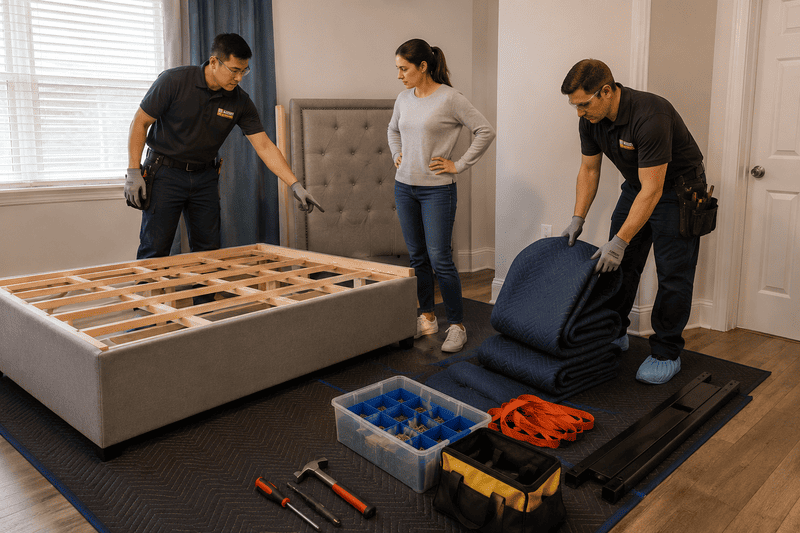
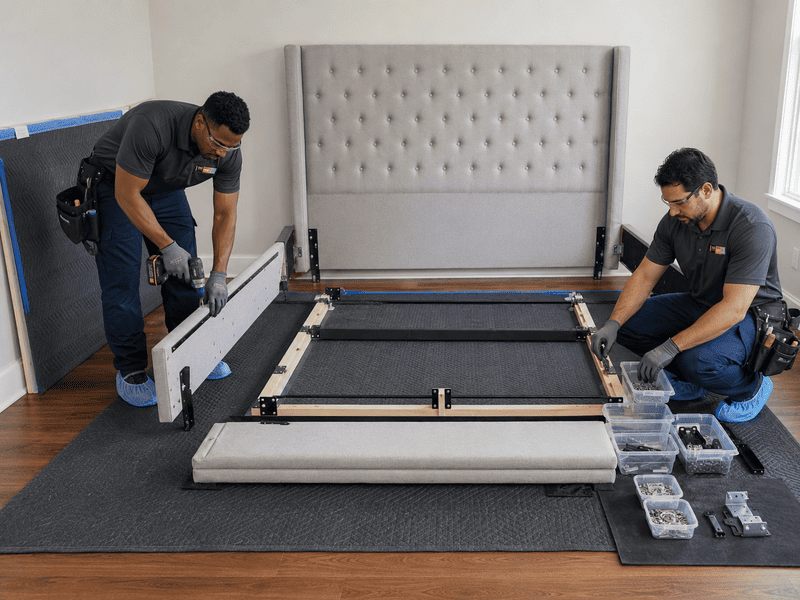
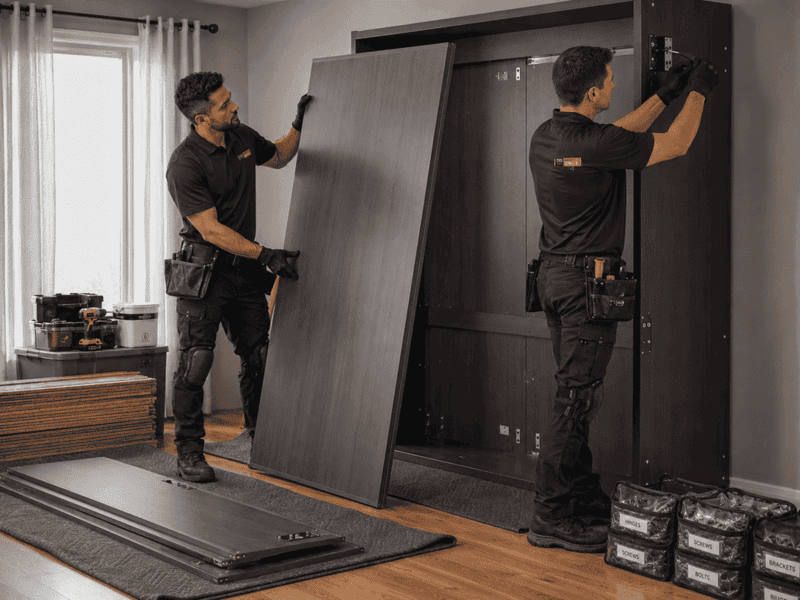
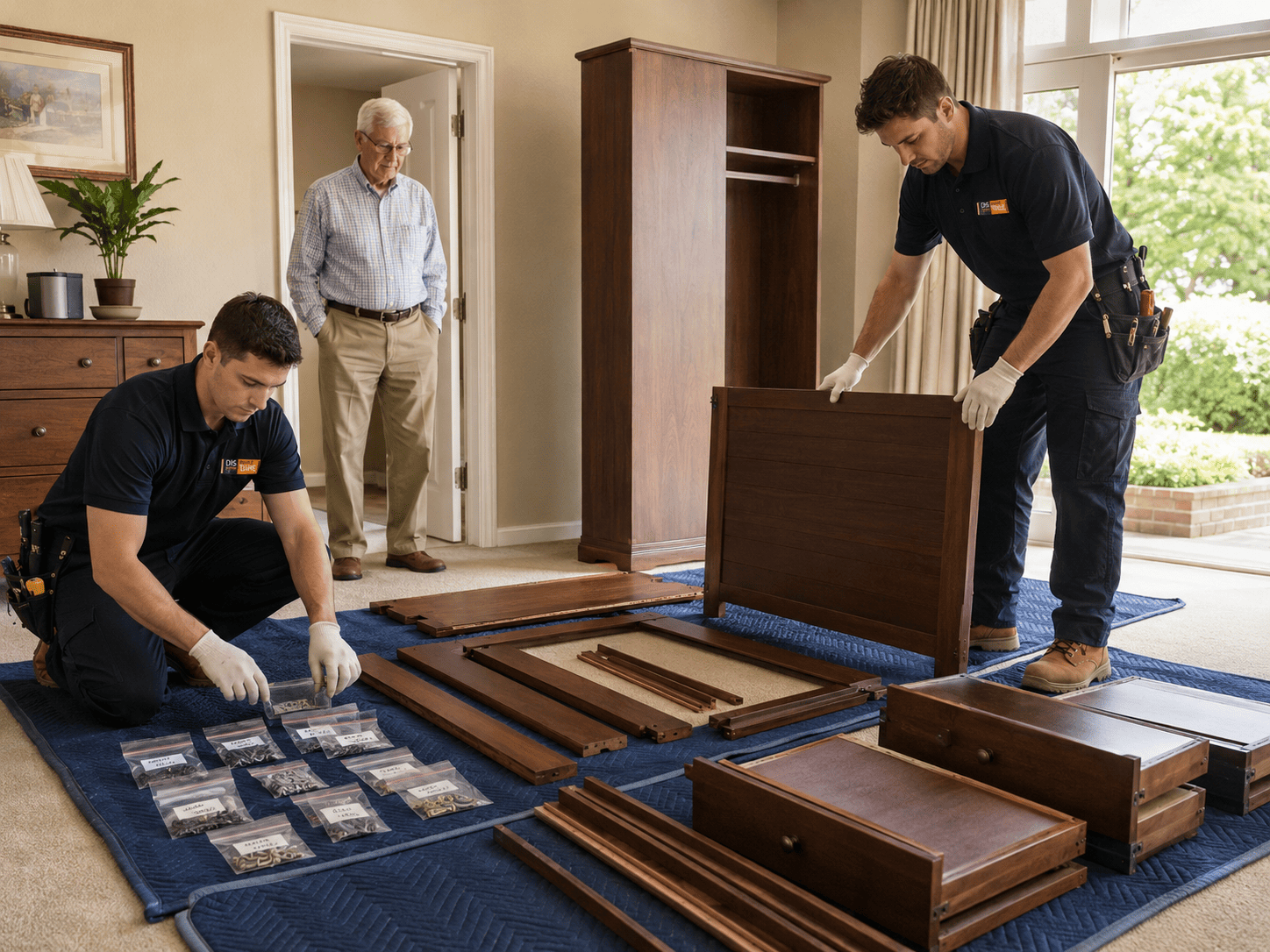
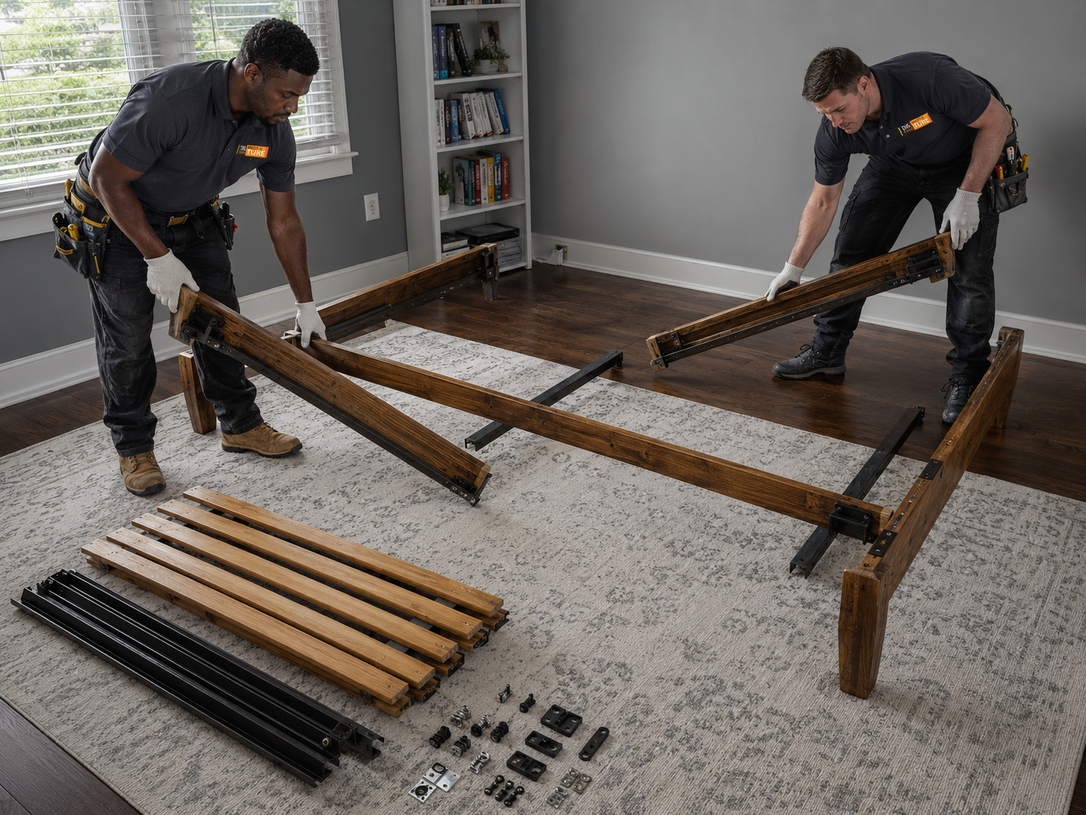
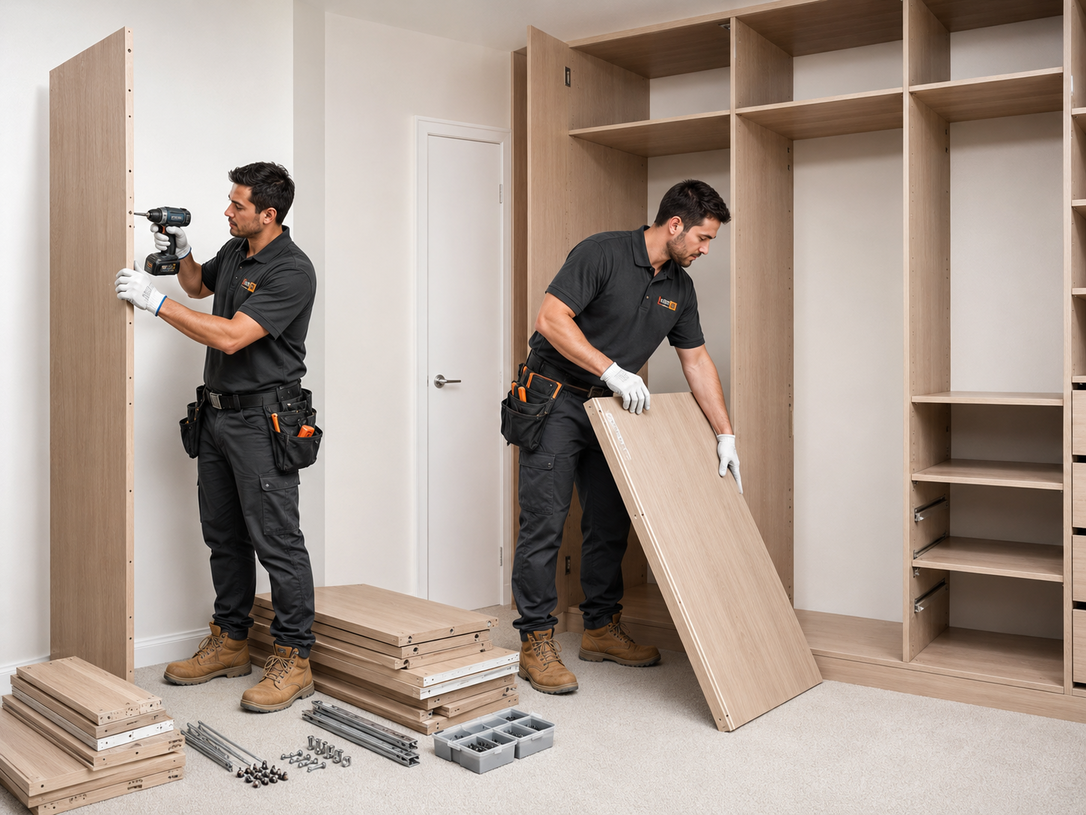
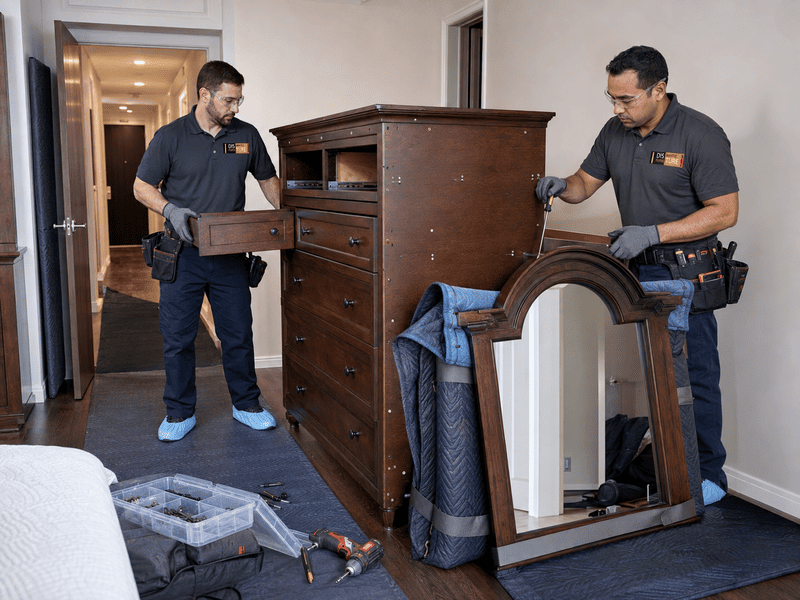
Oversized furniture often needs partial disassembly first because a few inches can decide whether a piece clears a condo hallway or gets stuck halfway through the turn. Removing legs, arms, doors, drawers, rails, or detached sections can make the move more controlled and easier to manage.
Common pieces that may need breakdown work include:
- Sectionals and large sofas
- Platform beds and storage beds
- Dressers with removable components
- Dining tables with heavy tops or bases
- Cabinets, wall units, and tall shelving
This is where furniture disassembly for apartment move problems becomes useful. It also helps to avoid furniture assembly mistakes and damage and understand professional furniture assembly service expectations before the item is rebuilt in the new space.
Emergency Disassembly Helps When the Move Is Already Stuck
Emergency disassembly is useful when the move is already stuck and the furniture cannot safely clear the next doorway, hallway bend, or elevator area. Instead of continuing to force the piece, a fast teardown can reopen the route and get the move back under control.
Typical same-day problems include:
- A sofa wedged at a hallway turn
- A bed frame too large for the elevator
- A cabinet trapped near the lobby
- A sectional that will not clear the unit door
- Movers losing time on a reserved elevator window
In those moments, emergency furniture disassembly during stuck moves may help reduce avoidable damage and support a cleaner restart.

Building Rules Can Change the Moving Plan Quickly
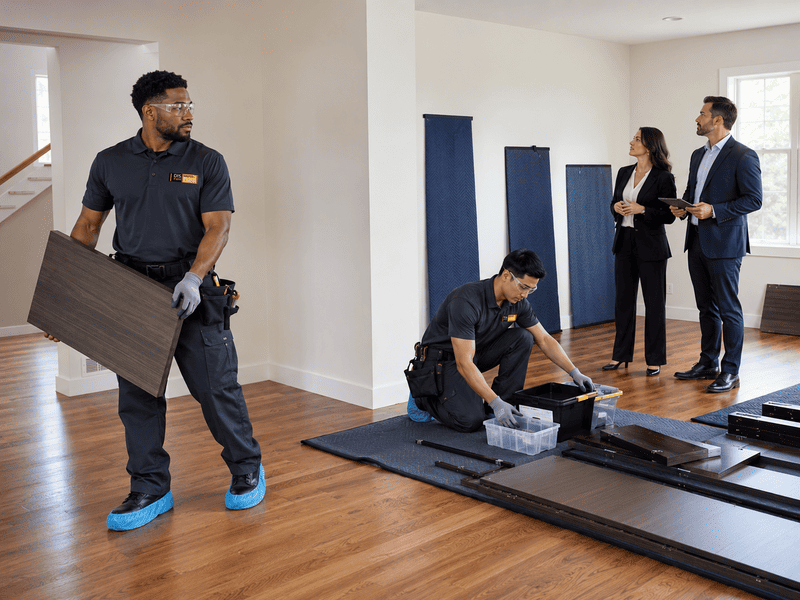
Building rules matter because condo access is not just a furniture problem. Move windows, elevator reservations, insurance requests, floor protection rules, and loading dock limits can change timing, staffing, and even whether a large piece should be moved at all.
What to confirm with management
Ask about moving reservations, freight elevator availability, protective floor coverings, lobby access, and any certificate or policy requirements. Households that want a better sense of paperwork and risk planning can also read about moving liability protection for households before the move date.
Moving and Hauling Support Keeps Large Pieces Under Control
Moving and hauling support helps when a large piece can be moved, removed, stored, or discarded, but only with better handling and route control. This is especially useful for downsizing families, property managers, and residents dealing with oversized furniture in busy condo buildings.
Practical support may include:
- Controlled handling in shared corridors
- Protection around corners and door frames
- Removal of items that are not worth reassembling
- Better staging in lobbies and loading areas
- Backup planning for stairwells or alternate exits
When that kind of help is needed, a moving and hauling service for furniture can work alongside heavy item movers for difficult furniture, professional moving help for heavy items, or even disposal recycling for unwanted furniture if a bulky piece no longer makes sense to keep.
Quick Estimates Help Avoid Last Minute Guesswork
Quick estimates help because they give owners, renters, and coordinators a clearer picture of the job before moving day pressure starts. Photos, dimensions, access notes, and building details can help identify whether the move needs simple handling, partial disassembly, hauling support, or emergency backup planning.
A good estimate usually works best when you provide:
- Furniture type and approximate size
- Photos of the item and route
- Condo floor number and elevator details
- Door, hallway, and stair measurements
- Preferred move date and timing limits
That is why many condo residents request a quick furniture estimate before committing to the moving plan.
Professional Furniture Disassembly Makes Tight Hallways Easier to Manage
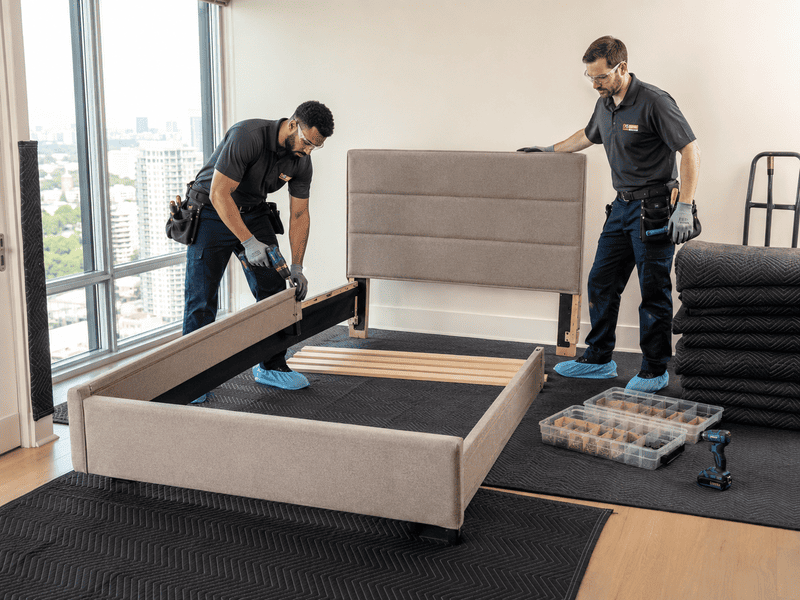
Professional furniture disassembly is recommended when the item is oversized, expensive, awkward to rotate, or located in a tight condo layout with little margin for error. It may make access easier to manage and helps avoid forcing large pieces through narrow openings just to save a few minutes.
When expert handling makes sense
If a sectional has to be split, a bed has to come apart inside a high rise, or a cabinet needs controlled removal from a shared corridor, professional furniture disassembly service support is often the practical next step. It can also pair well with specialty planning methods used for dense layouts.
Request Condo Furniture Moving Help
Moving large furniture through tight condo hallways gets easier with better measuring, smart disassembly planning, wall protection, hauling coordination, and fast help when a piece gets stuck mid-move. Some clients comparing related access issues also look at office installation cost or small driveway basketball hoops when space limits affect other large-item projects.
Get the move unstuck with the right plan
Contact Dismantle Furniture for home furniture disassembly, apartment furniture move support, emergency disassembly, moving and hauling service, quick estimates, and professional furniture disassembly services.
Frequently Asked Questions
What should I measure before moving furniture in a condo?
Measure the furniture, unit doorways, hallway width, turn space, elevator opening, elevator interior, and any stairwell landings.
Can a sofa be disassembled to fit through a hallway?
Yes, many sofas can be partially disassembled by removing legs, arms, backs, or detachable sections.
What happens if furniture gets stuck in an elevator area?
The move may need to pause so the piece can be repositioned, rerouted, or partially disassembled before continuing.
Should condo rules be checked before moving day?
Yes, building rules can affect elevator reservations, moving hours, floor protection, and lobby access.
Can emergency furniture disassembly happen during a move?
Yes, same-day disassembly can help when a sofa, bed, dresser, or cabinet gets stuck during the move.
How can walls be protected in tight condo hallways?
Careful carrying angles, corner protection, floor coverings, and slower handling can help reduce avoidable contact.
When should large furniture be hauled instead of reassembled?
Hauling may make more sense when the item is damaged, no longer needed, or too impractical for the new layout.
When should I request a quick estimate?
Request one as soon as you know the furniture type, access conditions, and expected moving date.
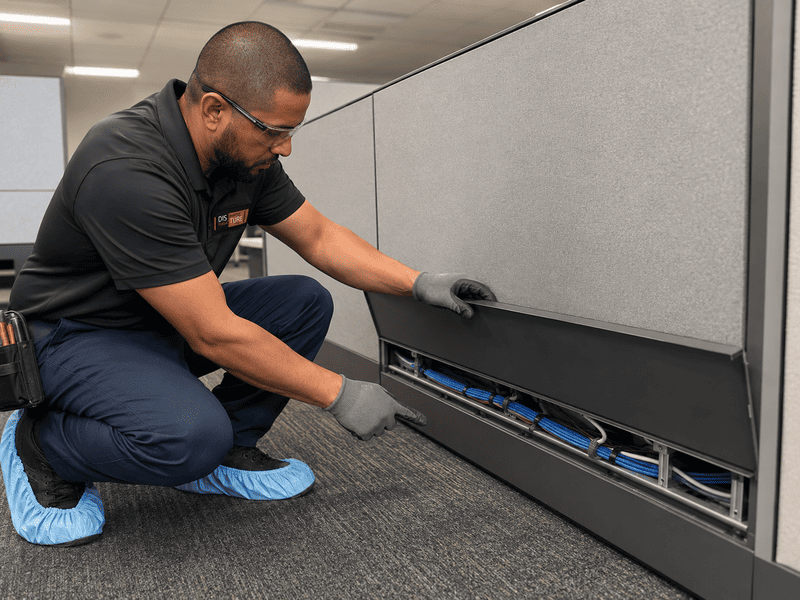
Reconfigure Your Modular Office Layout Flawlessly with Our Professional Cubicle Breakdown and Repair