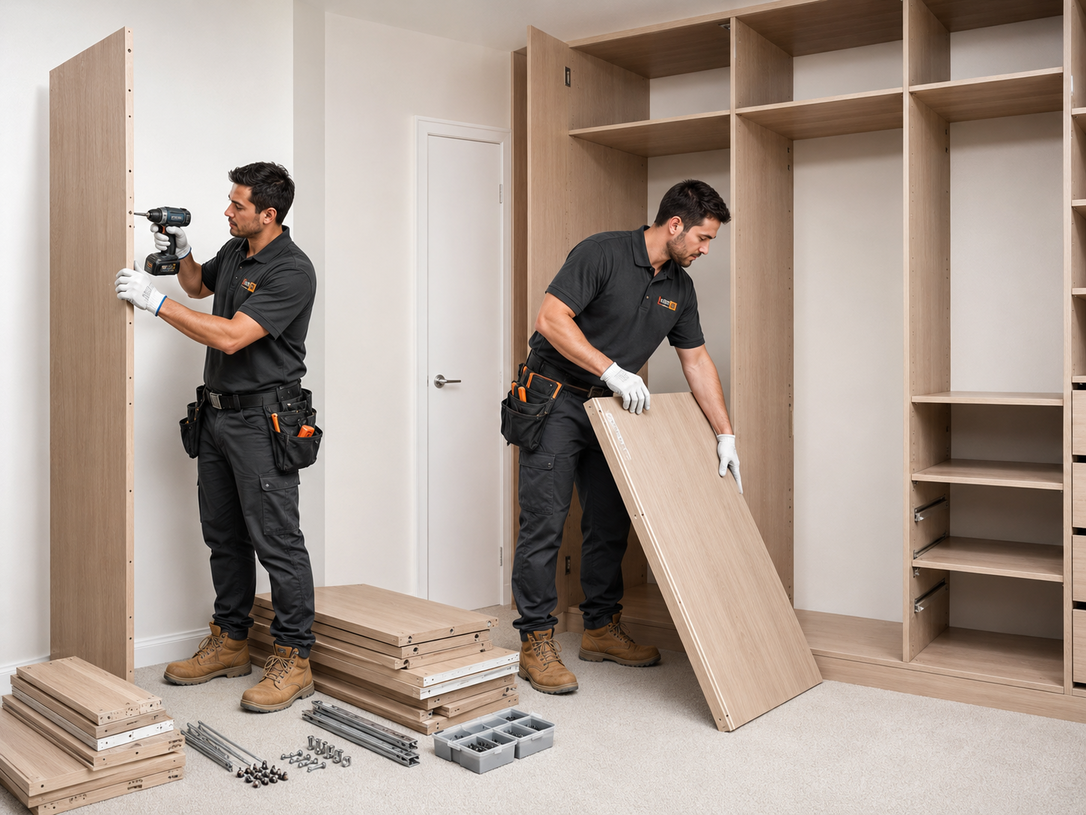
When Furniture Disassembly Is Necessary During a Residential Move
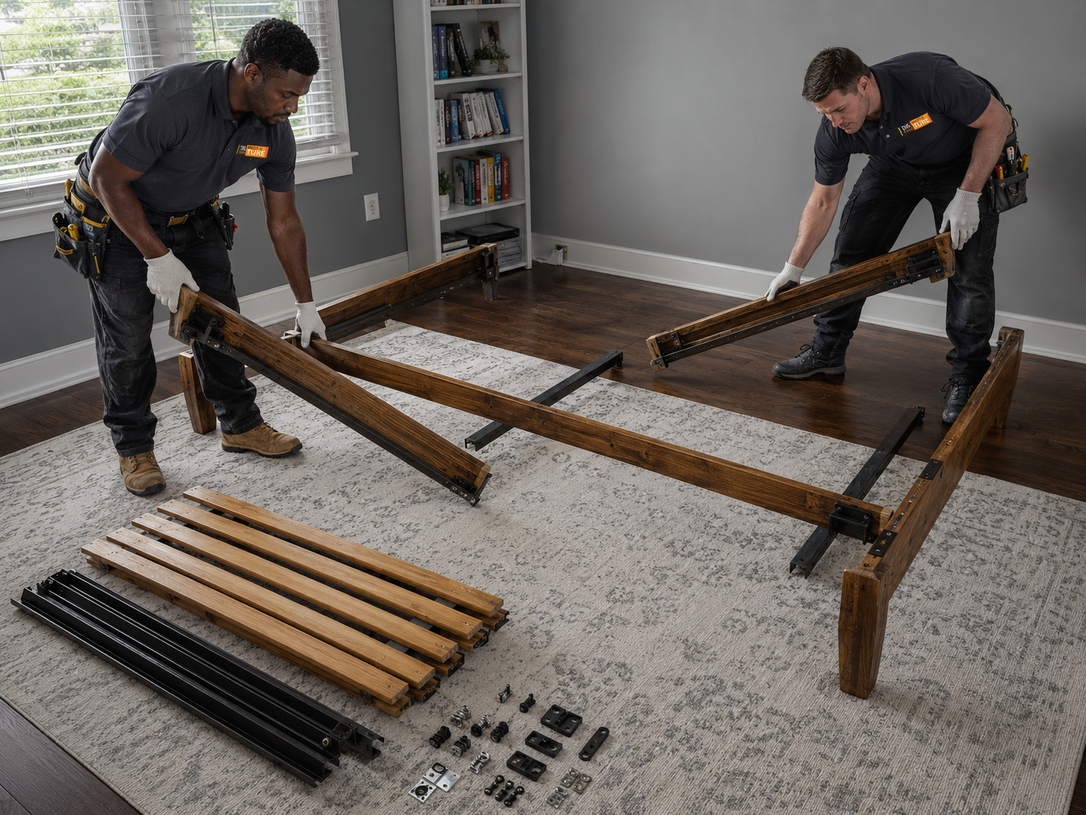
Furniture disassembly becomes necessary during a residential move when large, heavy, fragile, built-in, or awkward pieces cannot safely pass through doors, stairways, elevators, hallways, or tight turns. The right call depends on furniture size, material, hardware type, wall clearance, doorway width, stair layout, elevator access, moving distance, and whether the item must be moved, stored, reassembled, or relocated to another room.
- Beds, Murphy beds, headboards, wardrobes, sectionals, and modular dressers often need disassembly before moving.
- Narrow doorways, tight stair landings, small elevators, and sharp hallway turns set hard limits on what fits.
- Forcing oversized items through small openings damages walls, floors, frames, panels, and upholstery.
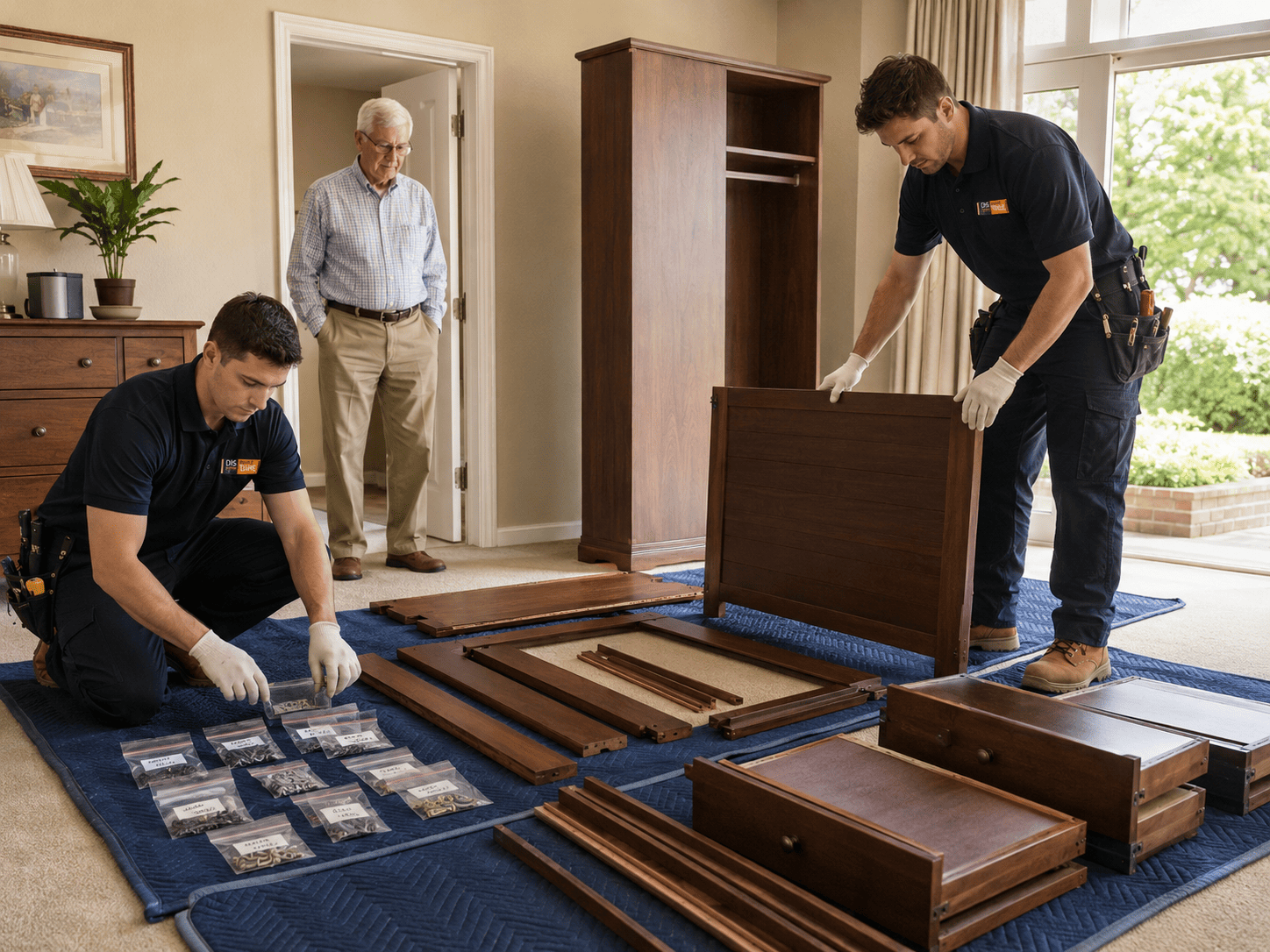
- Labeling hardware in bags by piece keeps reassembly accurate and prevents missing screws.
- Professional disassembly is the safer choice for heavy, tufted, glued, or built-in furniture.
Move Large Furniture Safely Before It Becomes a Problem
A residential move can feel manageable until a king bed frame meets a narrow hallway, or a Murphy bed refuses to clear a stairwell. Large sofas, wardrobes, dressers, and modular pieces often look fine in a room but become serious obstacles the moment they reach a doorway or elevator. Pushing them through tight openings tears drywall, scratches floors, splits panels, and ruins upholstery.
Planned disassembly removes those risks entirely. With careful preparation, hardware tracking, and skilled reassembly, oversized furniture moves smoothly between homes, apartments, condos, and storage units without damage, delays, or last-minute panic on moving day.
Oversized Furniture Can Stop a Move Before It Starts
Oversized furniture is one of the most common reasons a residential move falls behind schedule. Heavy beds, deep sectionals, tall wardrobes, and bulky dressers often exceed doorway widths or stair turning radius, forcing movers to pause, reroute, or take items apart on the spot. Planning ahead avoids that scramble.
Items that frequently need disassembly before moving include:
- King and California king bed frames with wide rails
- Murphy beds anchored to walls or cabinet systems
- Tufted, upholstered, or oversized headboards
- Wardrobes, armoires, and tall storage cabinets
- Sectional sofas with locked or bolted modules
- Dining tables with fixed pedestal bases
- Modular dressers and built-in office desks
For families moving from a townhome to an apartment, or downsizing into a condo, early home furniture disassembly keeps moving day predictable and protects expensive pieces from rough handling.

Doorways, Stair Turns, and Elevators Decide What Fits
The building, not the truck, usually decides what moves easily. Standard interior doors run about 30 to 32 inches wide, while many apartment elevators cap out around 48 inches deep. A sectional that fit perfectly in a suburban living room may never clear a fifth-floor walkup. Measuring first prevents wasted hours.
| Pinch Point | Typical Limit | Furniture Affected |
|---|---|---|
| Interior doorway | 30 to 32 inches wide | Sofas, dressers, wardrobes |
| Apartment entry door | 32 to 36 inches wide | Sectionals, large headboards |
| Stair landing turn | 36 to 42 inches clearance | Bed frames, armoires |
| Standard elevator | 48 inches deep | Long sofas, Murphy beds |
| Hallway corner | Varies, often tight | Tall wardrobes, mirrors |
When measurements come up short, professional furniture disassembly help is far smarter than forcing a piece through.
Beds, Murphy Beds, and Headboards Need Careful Handling
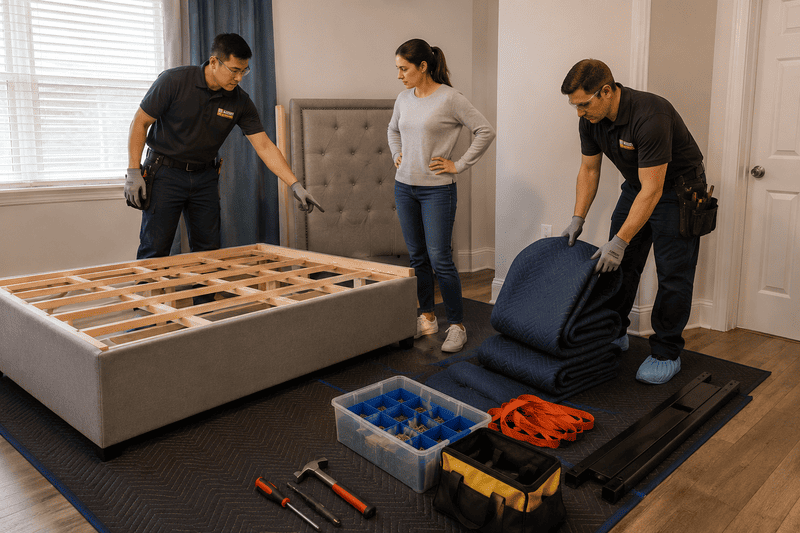
Beds are the trickiest category in most residential moves. Frames hide internal bolts, slats shift loose, and large bed frame styles rarely survive being dragged whole through a doorway. Murphy beds add another layer because they connect to wall cabinetry and tensioned lift mechanisms.
Standard bed frames
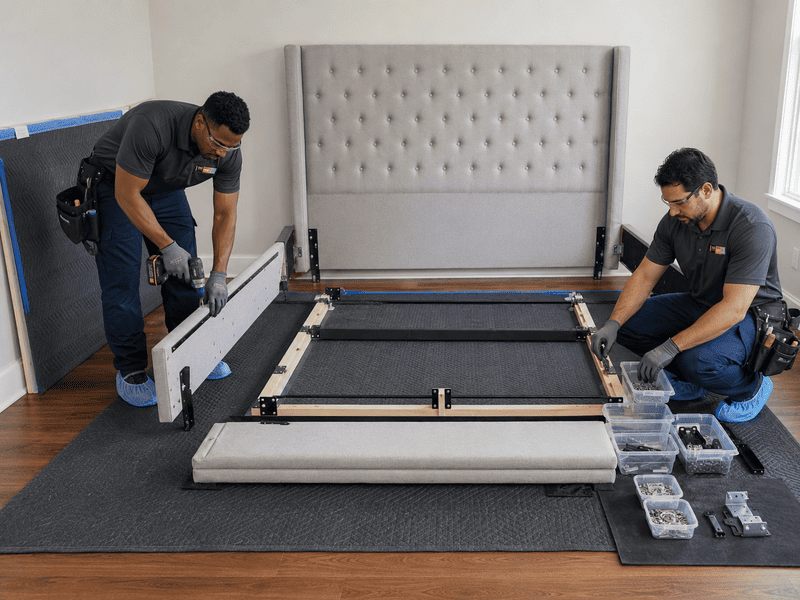
Most platform and panel beds break down into headboard, footboard, side rails, and slats. Removing bolts in order and bagging them by location keeps reassembly clean.
Murphy beds
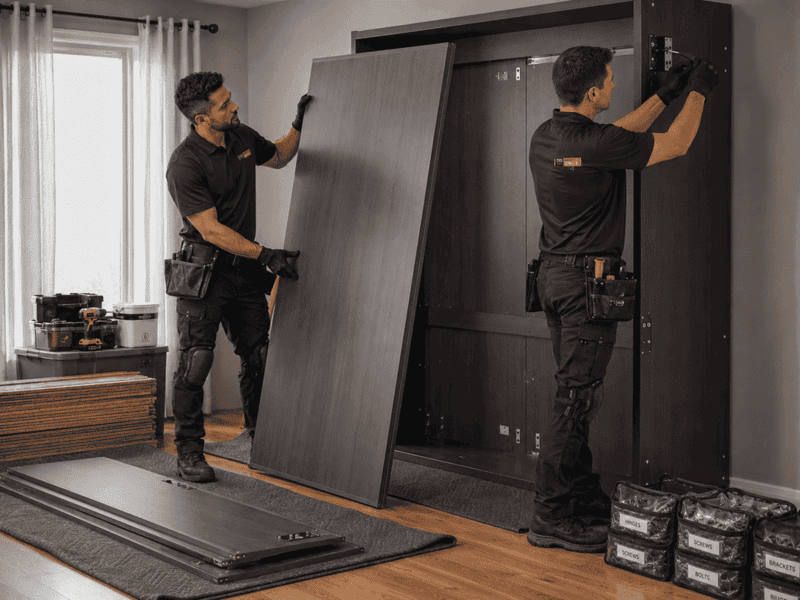
A wall-mounted Murphy bed disassembly should never be rushed. The cabinet, piston system, and mattress retainers must come apart in sequence to avoid damage or injury.
Tufted and upholstered headboards
Tufted pieces are wide, soft, and easily torn at corners. Proper tufted headboard disassembly keeps fabric, buttons, and trim intact during transport.
Disassembly Protects Walls, Floors, Frames, and Finishes
Damage during a move usually happens in seconds. A wardrobe corner punches drywall, a bed rail gouges hardwood, or a sofa leg cracks a baseboard. Disassembly shrinks the footprint of every large item, making turns easier and lowering the risk of contact with the home. Following basic furniture safety requirements during teardown also reduces tipping and pinch hazards for the people doing the work.
Common damage prevented by smart disassembly:
- Drywall dents from sofa arms and dresser corners
- Scratched hardwood and laminate flooring
- Cracked door frames and chipped trim
- Split wood panels on beds and wardrobes
- Torn upholstery and loose tufting buttons
- Bent hinges on cabinets and Murphy beds
For tight stairwells or older buildings, careful disassembly relocation support saves both the furniture and the property.
Hardware Labels Make Reassembly Faster After the Move
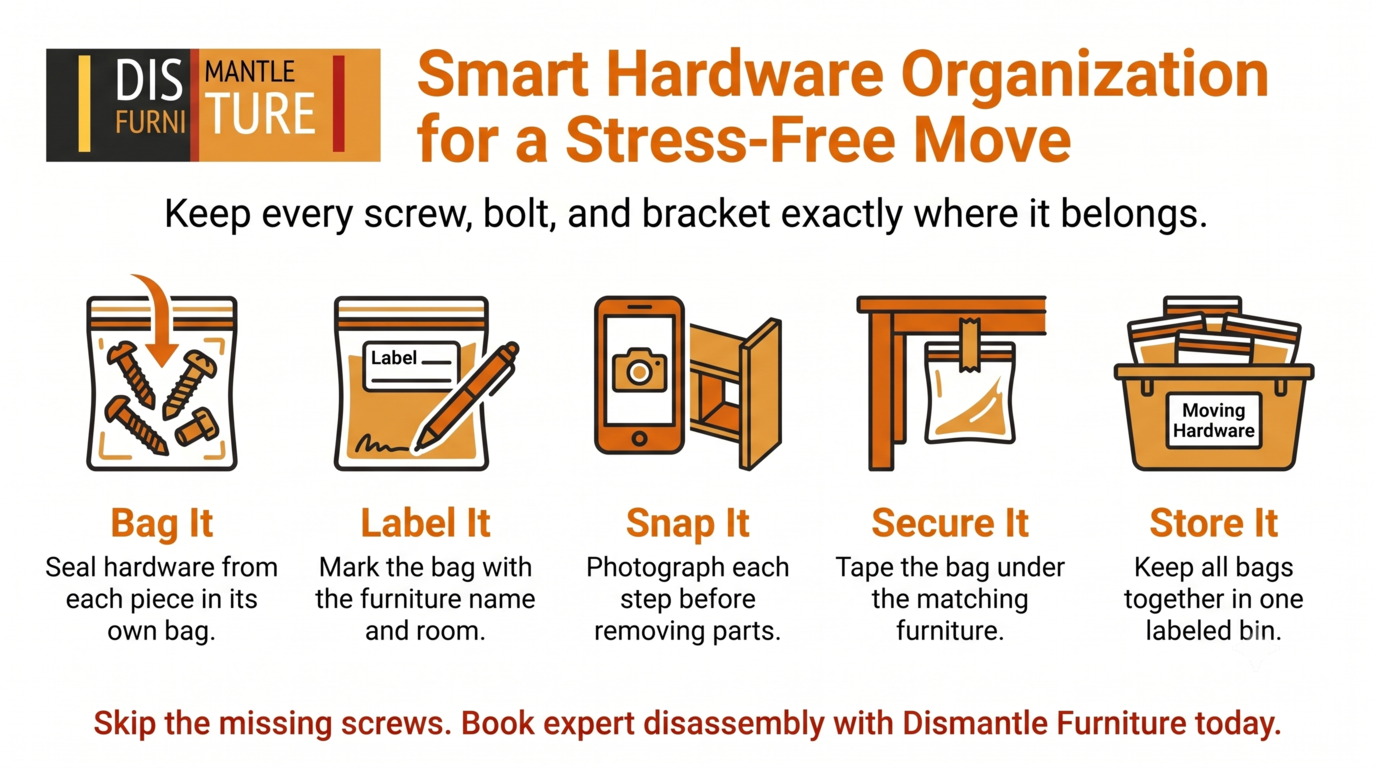
Lost hardware is the quiet villain of residential moves. One missing bolt can leave a bed unstable or a wardrobe door misaligned for weeks. A simple labeling system fixes that before it starts.
Practical hardware organization tips:
- Use one sealed bag per piece of furniture
- Label each bag with the item name and room
- Photograph each step before removing parts
- Tape small bags to the underside of the furniture
- Keep specialty tools like Allen keys with the matching item
- Store all bags together in one labeled bin
This habit pairs well with a solid moving day checklist so nothing gets misplaced between the truck and the new home.
Storage Moves Require Better Furniture Preparation
Furniture going into storage faces different stresses than furniture going straight into a new home. Pieces sit stacked for weeks or months, sometimes in units with shifting temperatures. Disassembled furniture stores flat, takes less square footage, and avoids pressure damage on legs, doors, and joints. Wrapping panels individually also prevents scratches between stacked items, and smart storage unit planning keeps everything accessible later.
Furniture disassembly planning during a residential move means checking furniture size, hardware type, doorway width, stair turns, elevator access, the full moving path, storage needs, and reassembly requirements before any large piece leaves the room.
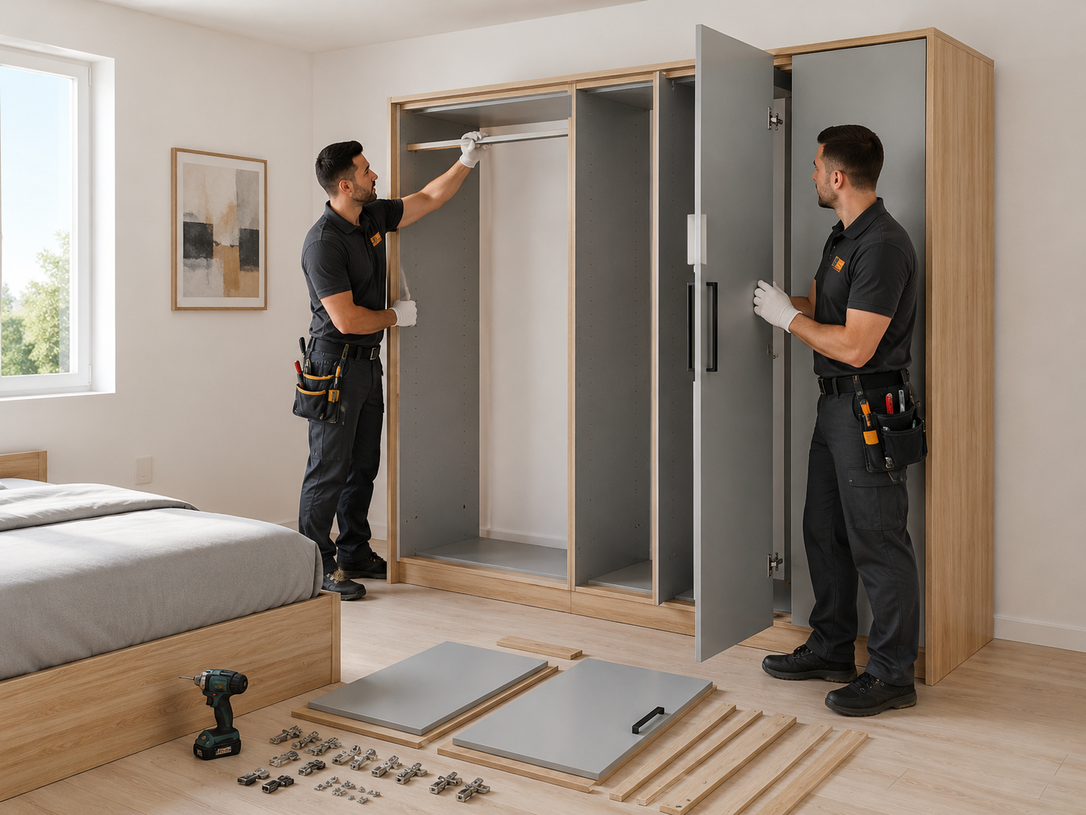
Moving Day Goes Smoother When Large Pieces Are Ready
Movers work faster, and damage drops sharply, when oversized furniture is already broken down and labeled when the truck arrives. Crews can load flat panels efficiently, stack pieces tightly, and keep the home walkway clear. That preparation also shortens billable hours for hourly moving teams.
Smart prep before movers arrive:
- Disassemble beds, Murphy beds, and headboards
- Detach wardrobe doors and remove drawers
- Bag and label all screws, bolts, and brackets
- Wrap panels with moving blankets or stretch film
- Clear hallways, stair landings, and entry doors
- Stage wardrobe storage options and dressers near the exit
The same logic applies to home offices, where careful office equipment moving protects desks, monitors, and cable systems.
Professional Furniture Disassembly Helps Avoid Costly Mistakes
DIY disassembly works for simple flat-pack pieces, but heavier and specialty items need trained hands. Murphy beds, tufted headboards, glued joinery, and built-in wardrobes use hardware that is easy to strip, snap, or misalign. A wrong move can void warranties, ruin upholstery, or leave a bed wobbling for years. Professionals bring the right tools, the right sequence, and experience with hundreds of furniture types, including bunk systems covered in many bunk bed assembly guides. For homeowners juggling a tight moving window, hiring a professional furniture services team removes guesswork and protects valuable pieces.
Get Residential Furniture Disassembly Help Before Moving Day
Dismantle Furniture helps homeowners, renters, and property managers prepare large pieces for safer, faster moves. Our team handles bed teardown, Murphy bed disassembly, tufted headboard disassembly, wardrobes, sectionals, and full home furniture disassembly, with careful hardware labeling and accurate furniture reassembly service at your new address. We also share practical home prep advice, including basketball hoop weatherproofing tips for outdoor setups.
Book early and request moving estimate so your large furniture is ready before the truck arrives.
Frequently Asked Questions About Furniture Disassembly During a Move
When is furniture disassembly necessary during a move?
Disassembly is needed when furniture is too large, heavy, or awkward to clear doors, stairs, elevators, or tight turns safely. It is also recommended for fragile, tufted, or built-in pieces that can split or tear if forced through narrow spaces.
What furniture usually needs to be taken apart before moving?
King beds, Murphy beds, tall wardrobes, sectional sofas, tufted headboards, and large dining tables are the most common candidates. Modular dressers and built-in desks often need partial teardown as well.
Can a Murphy bed be disassembled for relocation?
Yes, but it should be done carefully because the cabinet, piston lift, and mattress retainers must be separated in the correct order. A trained technician avoids damage to the wall mount and lift mechanism.
Should headboards be removed before moving a bed?
In most cases, yes. Headboards are wide, often fragile, and rarely fit through standard doors while attached to the bed frame, so removing them prevents cracks, scratches, and torn upholstery.
Does furniture disassembly help prevent wall damage?
Yes. Smaller, broken-down pieces are easier to navigate around corners and through doorways, which sharply reduces dings, dents, gouges, and scratches on walls, baseboards, and door frames.
How should furniture hardware be organized during a move?
Place screws, bolts, and brackets from each piece in their own labeled bag. Tape the bag to the furniture or keep all bags together in one bin so nothing gets lost between the old and new home.
Can furniture be reassembled after storage?
Yes, as long as parts are labeled and hardware is kept together. Reassembly after storage is straightforward when the original teardown was organized and panels were wrapped to prevent scratches or warping.
When should I book professional furniture disassembly before moving day?
Book at least one to two weeks before your move, especially for Murphy beds, tufted headboards, or large wardrobes. Earlier booking secures preferred time slots and gives the crew time to plan around your building's access limits.

Reconfigure Your Modular Office Layout Flawlessly with Our Professional Cubicle Breakdown and Repair