Heavy Furniture Disassembly Guide Beds, Wardrobes, and Sectionals That Cannot Fit Through Doors
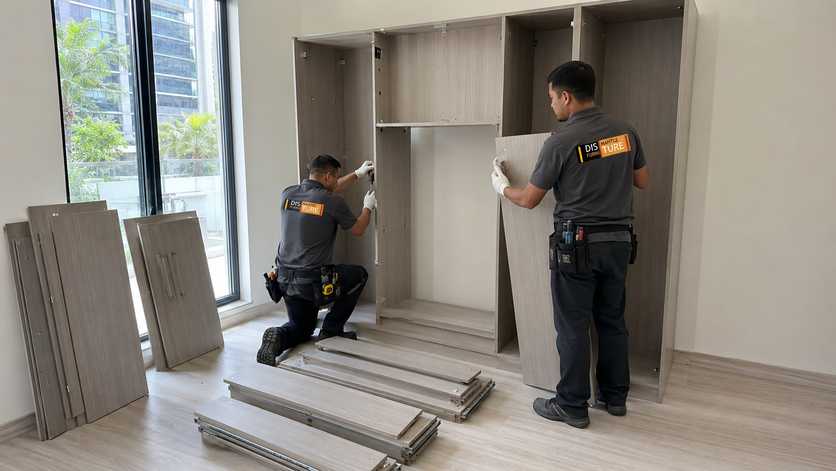
Large furniture often becomes impossible to move once it meets a narrow doorway, a tight stair landing, or a small elevator cab. Professional disassembly breaks oversized beds, wardrobes, and sectionals into manageable parts, which prevents wall dents, floor scratches, cracked frames, lost hardware, and unsafe lifting. It is the cleanest path from one room or one home to another.
- Protects walls, floors, and finished trim from impact damage
- Makes moving through tight hallways, stairways, and elevators much safer
- Simplifies transport for heavy beds, tall wardrobes, and large sectionals
- Keeps screws, bolts, brackets, and cam locks labeled and organized
- Improves access through narrow doors, sharp corners, and small entryways
Furniture Disassembly for Moving Heavy Pieces Safely
Heavy furniture usually looks movable until it meets the first real obstacle. A king bed fits the bedroom, but not the hallway turn. A wardrobe clears the wall, yet jams at the front door. A sectional sofa slides across the living room, then stops cold at the elevator. When movers force these pieces through tight spaces, the result is often cracked frames, torn upholstery, scuffed walls, and gouged floors. Planned disassembly removes that pressure. By taking apart bulky pieces in advance, you create a calmer, faster, and safer way to prepare large furniture for transport.
Why Large Furniture Often Cannot Fit Through Doors
Most homes have standard interior doors around 30 inches wide, while many oversized pieces are built far beyond that footprint. Beds, wardrobes, and sectionals are designed for room presence, not doorway clearance, which is why they frequently get stuck during moves.
Even when a piece looks like it should slide through, several factors quietly work against it. Door frames, baseboards, and light switches all eat into usable width. Stair landings limit pivot space, and elevators cap both depth and ceiling height. In older condos and townhouses, tight angles between hallways and entry doors create choke points that no amount of tilting can solve. According to federal furniture safety standards, oversized residential pieces are also heavier and more top loaded than they appear, which makes forcing them through openings risky for the item and the people carrying it.
Which Furniture Types Usually Require Disassembly
Any furniture that exceeds standard doorway width, weighs more than two people can comfortably lift, or has fragile joinery should be considered for disassembly. Items with glass, mirrors, or upholstered curves almost always benefit from being broken down before a move.
Common pieces that typically need whole house disassembly include:
- King, queen, and platform beds with attached headboards or storage drawers
- Tall wardrobes, armoires, and built-in style closet units
- Sectional sofas, modular couches, and sleeper sofas
- Large dining tables with fixed pedestals or heavy bases
- Bunk beds, loft beds, and adjustable bed frames
- Office desks with hutches, return wings, or oversized tops
- Pool tables, treadmills, and other heavy specialty items
Households moving from apartments or shared buildings often combine this work with last minute packing crews, since coordinated disassembly and packing keeps the timeline tight and predictable.
How Bed Frames and Headboards Are Safely Taken Apart
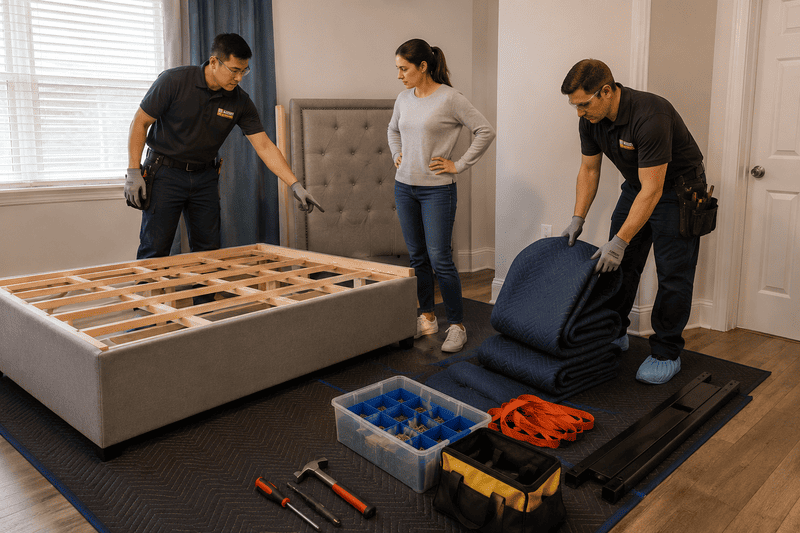
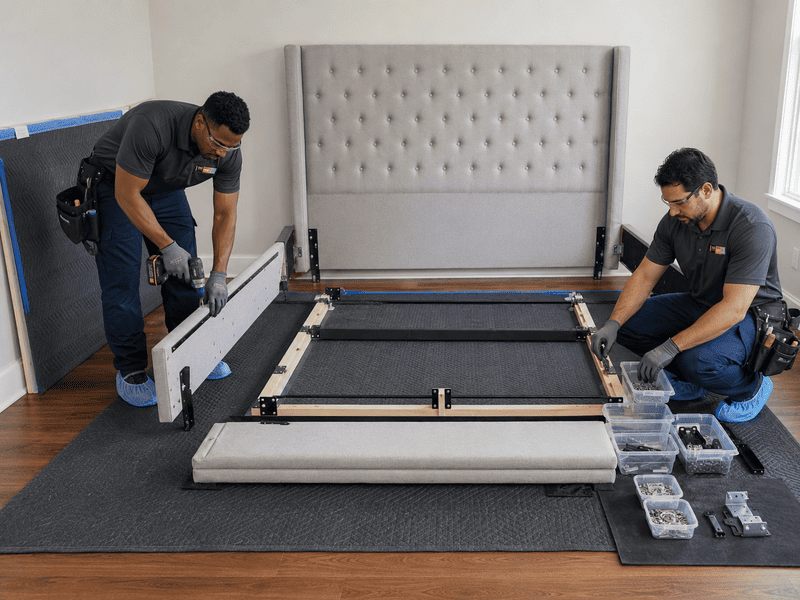
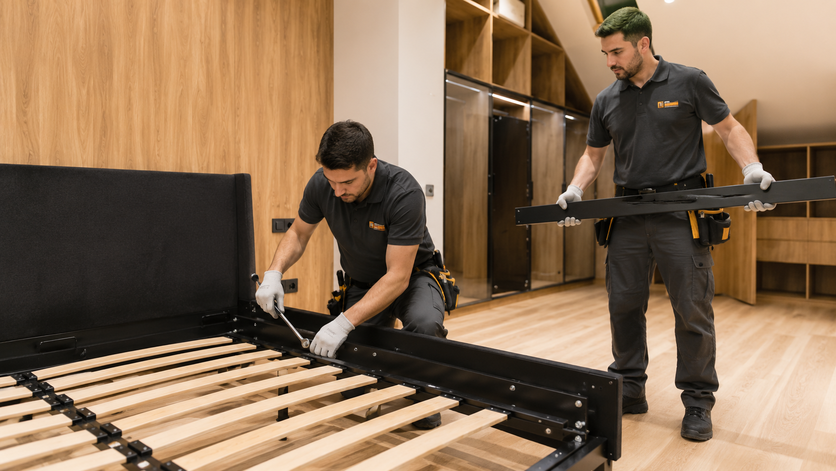
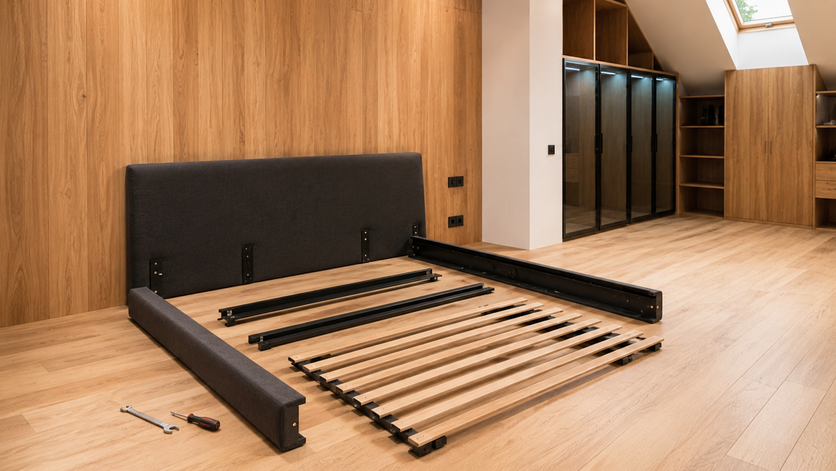
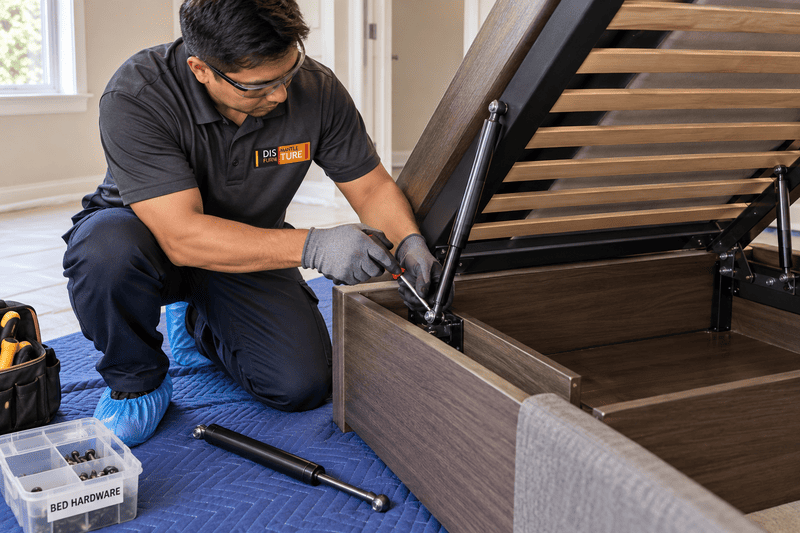
Bed disassembly follows a consistent order. The mattress and bedding come off first, then the side rails are separated from the headboard and footboard, slats and center supports are removed, and finally the headboard is unbolted from the frame or the wall.
A careful bed frame disassembly approach usually looks like this:
- Strip the bed completely and move the mattress to a clean wall
- Photograph the frame from several angles before touching any hardware
- Loosen bolts on the side rails before removing them fully
- Detach slats, support beams, and any under bed storage drawers
- Unscrew the headboard, padding wrapped, and stand it flat against a wall
- Bag every bolt, washer, and cam lock by component group
Many platform beds and upholstered headboards from showrooms like the Pottery Barn bed collection use hidden bolts and cam locks that require specific tools. A trained crew handling careful headboard removal knows how to protect the fabric, avoid tearing seams, and preserve the finish during transport.
What Makes Wardrobe Disassembly More Complicated
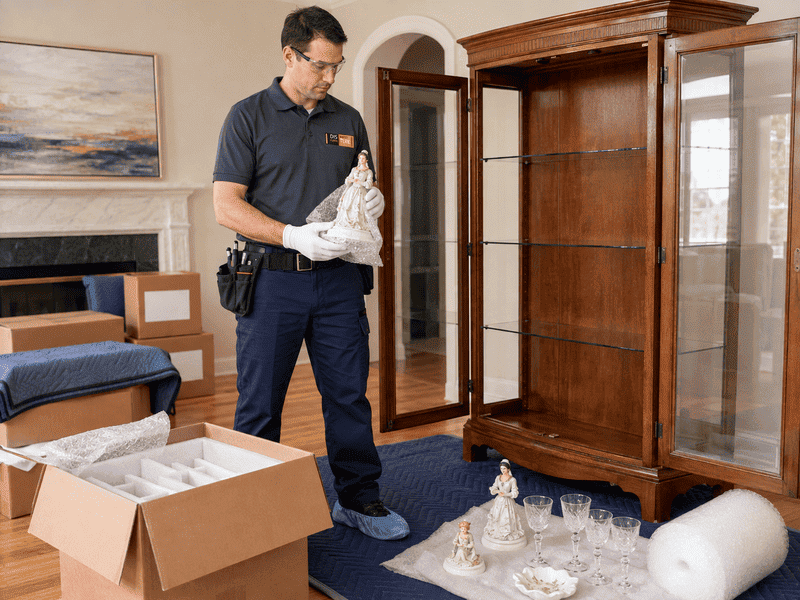
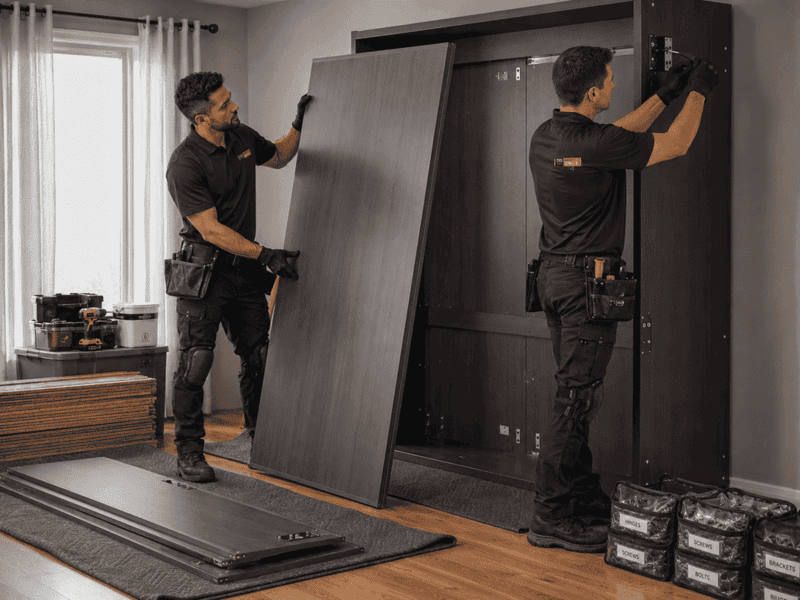
Wardrobes are difficult because they are tall, deep, and built from materials that flex or split under stress. Most wardrobes must come apart in a specific sequence, since removing the wrong panel first can collapse the entire structure.
Several details add complexity. Mirrored doors crack easily if removed without support. Interior shelving, drawers, and hanging rails often share hardware with the main carcass. Many models, including styles similar to the Ashley wardrobes lineup, use cam lock fittings that wear down after repeated assembly. Built in lighting, soft close hinges, and back panels stapled to the frame require patient handling. A clean wardrobe takedown process preserves alignment so the piece sits straight and closes properly once it is rebuilt in the new home.
How Sectional Sofas Are Disassembled for Easier Moving
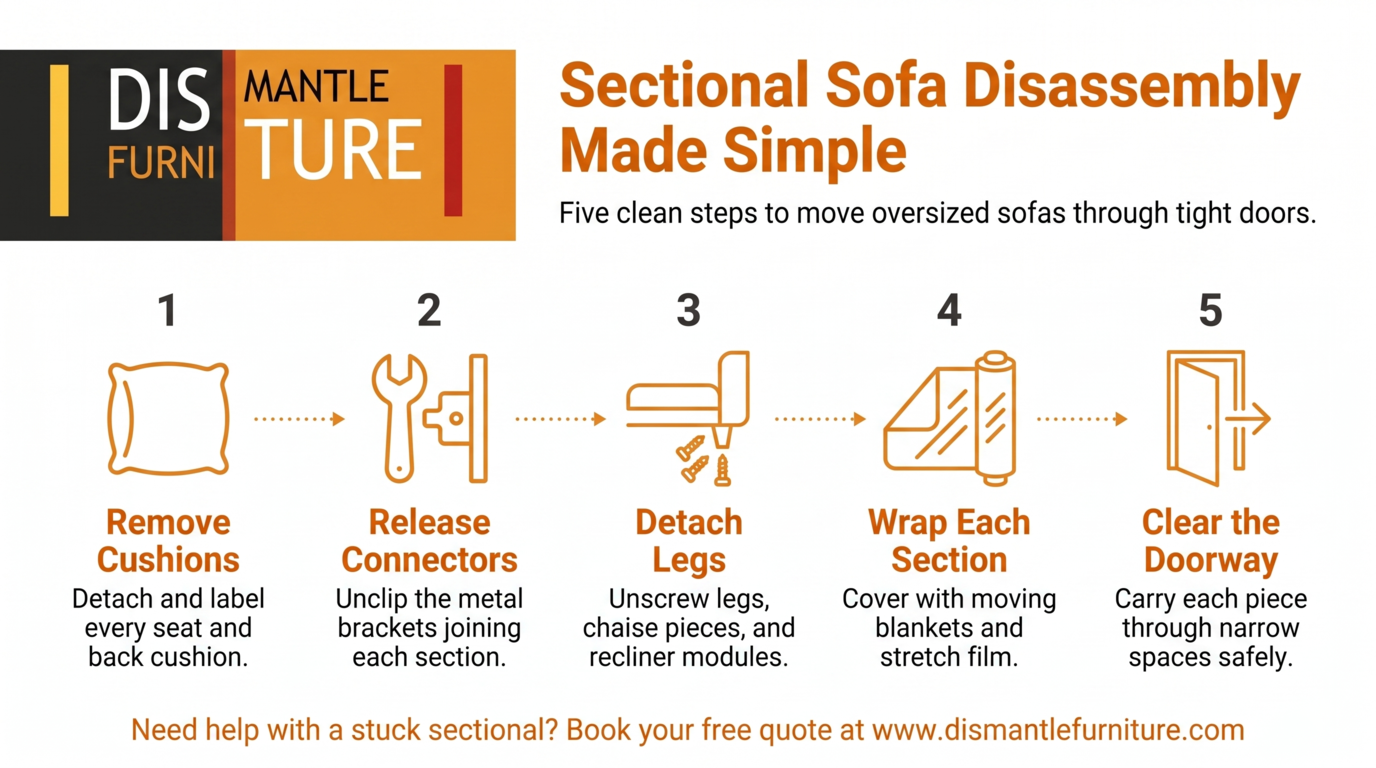
Most sectionals are designed to come apart at the connector points between each piece. Cushions are removed first, then the connecting brackets, clips, or bolts are released, and finally legs and chaise sections are separated for individual transport.
Typical sectional sofa disassembly steps include:
- Remove all loose and attached cushions and label their positions
- Locate the metal connectors or clamps under the frame
- Release each connector while supporting both sides of the seam
- Unscrew legs and detach chaise extensions or recliner modules
- Wrap each section in moving blankets and stretch film
Modular models, including styles found in the IKEA fabric sectionals selection, often have plastic clips that snap under pressure if handled incorrectly. A trained sofa breakdown crew also handles leather, velvet, and microfiber finishes without leaving marks. For tight condos and walk up apartments, this is often the only way to clear narrow doors. Some specialty teams that focus on specialty disassembly and relocation follow similar care principles for unusual items.
Why Hardware Organization Matters During Furniture Disassembly
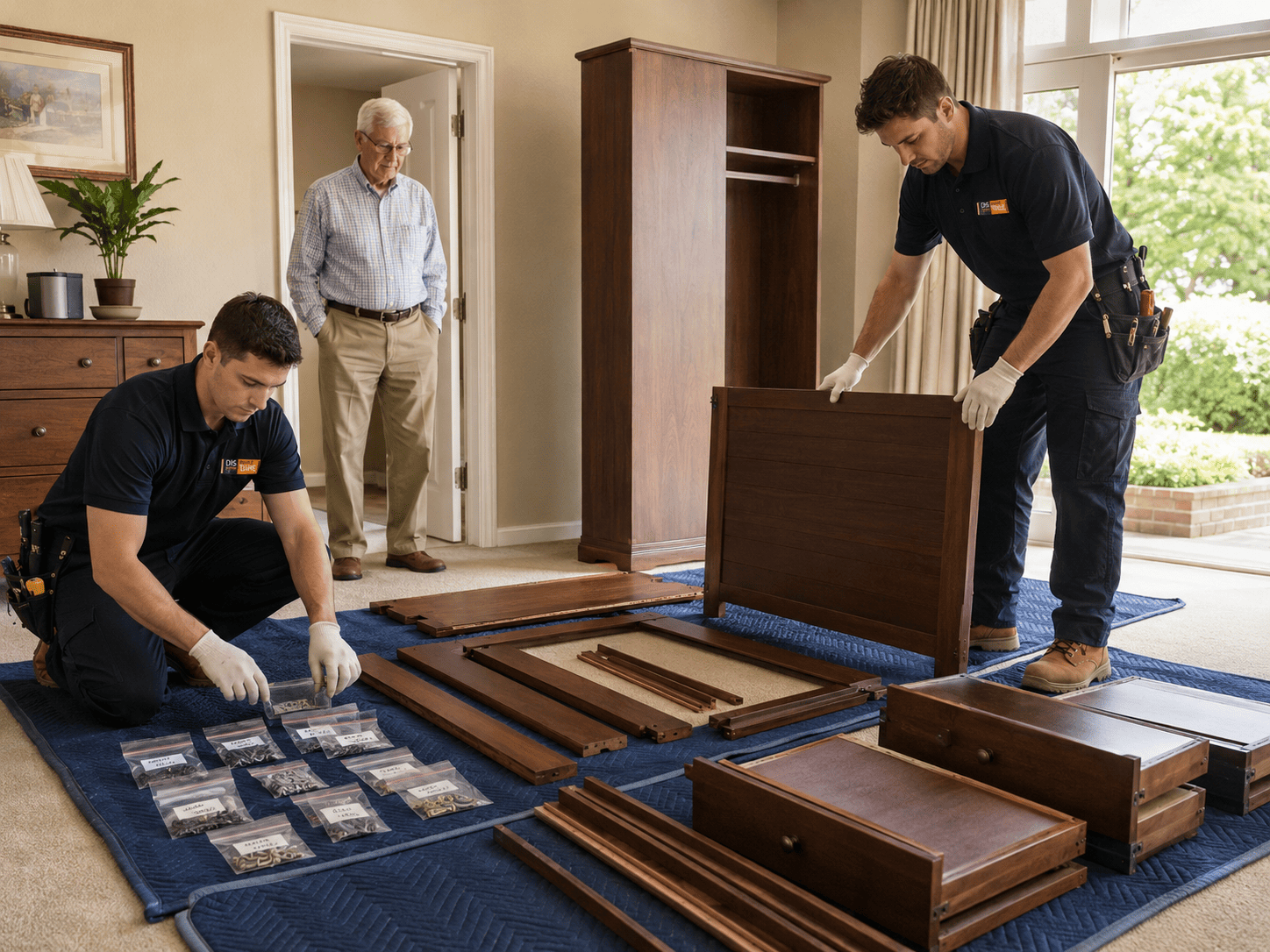
Lost hardware is one of the top reasons reassembled furniture feels loose, leans, or squeaks. Every screw, bolt, washer, and bracket has a specific role, so labeling and bagging hardware by component is essential for a smooth rebuild.
| Component Group | Typical Hardware | Recommended Labeling |
|---|---|---|
| Bed frame | Bolts, washers, cam locks | Bag tagged with bed model and room |
| Headboard | Long bolts, brackets, anchors | Bag taped to back of headboard |
| Wardrobe | Cam locks, dowels, hinges | Separate bag per panel or door |
| Sectional sofa | Connector clips, leg screws | Bag attached to underside of frame |
| Dining table | Apron bolts, leg plates | Bag taped under tabletop |
A consistent system supports furniture damage prevention from start to finish. Crews that handle residential disassembly projects often photograph each step, which makes reassembly faster and more accurate, even weeks later in storage.
What Common Mistakes Cause Furniture Damage During Moves
Most furniture damage during a move comes from a small set of avoidable mistakes. Forcing oversized pieces through tight doors, skipping disassembly to save time, and losing hardware are the biggest causes of cracked frames and scuffed walls.
Frequent missteps to avoid include:
- Tilting tall wardrobes without securing doors and shelves
- Dragging sectionals across hardwood instead of lifting them
- Removing bolts in the wrong order, which stresses the joints
- Mixing hardware from different pieces in a single bag
- Skipping padding on headboards, mirrors, and glass tops
- Underestimating stair angles, elevator depth, or hallway turns
Heavy furniture disassembly is the process of safely taking apart oversized furniture into smaller, manageable sections so it can travel through doors, stairways, elevators, and hallways without harming the furniture, the walls, or the floors. When done right, the rebuild looks identical to the original setup.
How Professional Disassembly Helps Protect Walls and Floors
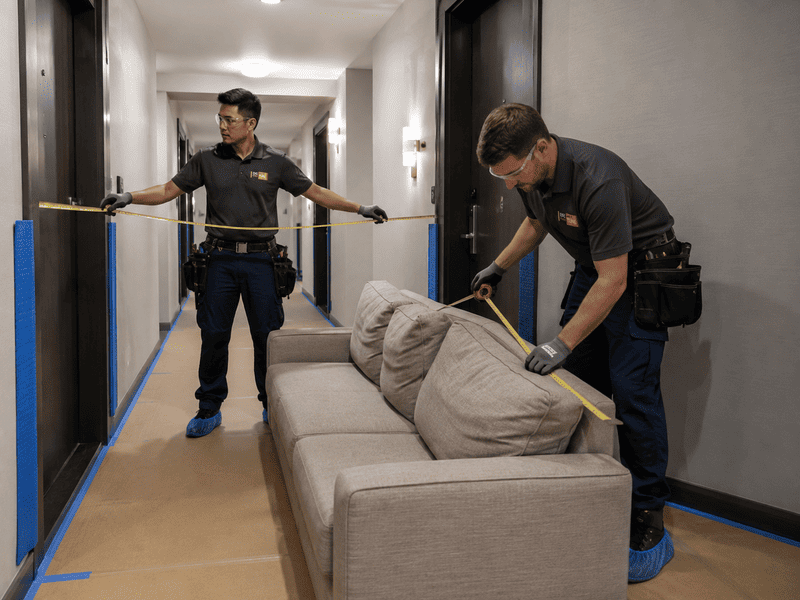
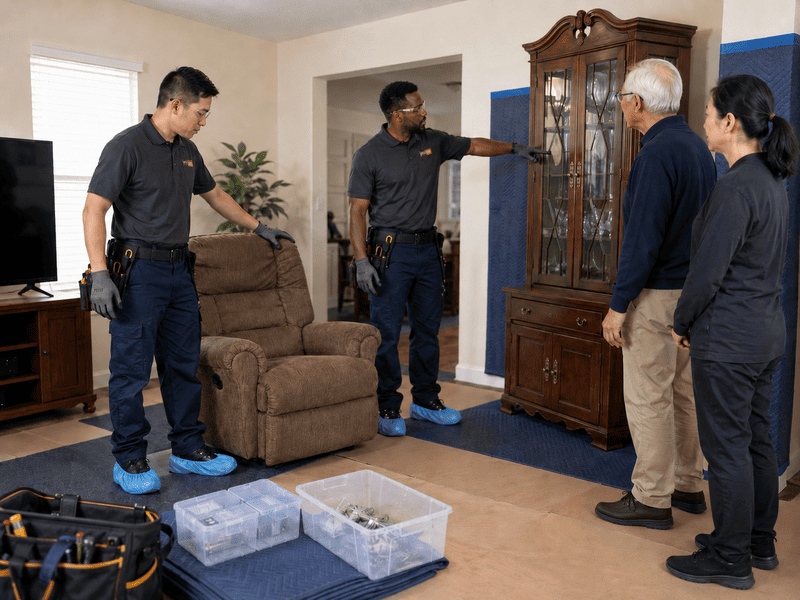
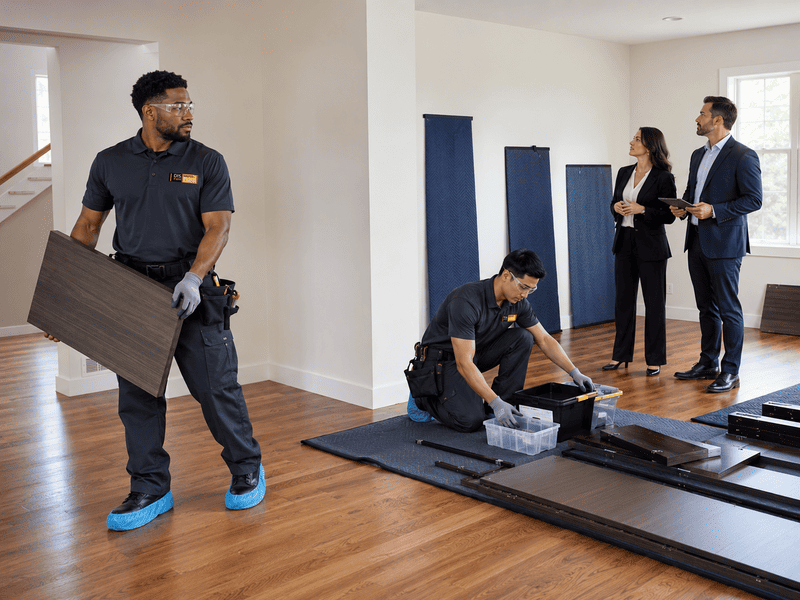
A professional crew protects the home as carefully as the furniture. They pad door frames, lay floor runners, and break pieces down to a size that no longer requires forced angles, which dramatically reduces the chance of dents, scratches, and chipped paint.
Trained technicians also plan the path before they lift anything. They measure doorways, stair turns, and elevator cabs, then decide which pieces must come apart and in what order. This approach mirrors techniques used to protect floors during office moves, where one wrong pivot can mark a long hallway. The same discipline applies to apartment furniture disassembly in high traffic buildings with shared elevators and strict move in windows.
When Homeowners Should Hire Furniture Disassembly Services
Hiring help makes sense whenever a piece is too heavy, too tall, too fragile, or too complex for a typical two person lift. It also makes sense when time, building rules, or stair access add pressure to the move.
Good moments to call a professional include:
- Moving king beds, sleeper sofas, or full sectionals
- Navigating walk up apartments, basement rooms, or split level homes
- Working within strict elevator reservation windows
- Handling antique, designer, or warranty protected pieces
- Coordinating dorm and apartment moves where student move in support is helpful
- Disassembling specialty items, accent tables described in coffee table setup tips, or outdoor gear covered in year round hoop care where careful teardown protects the equipment
If the move involves more than one of these, professional support quickly pays for itself in saved time and avoided damage.
Get Reliable Furniture Disassembly Help
When the bed will not clear the hallway or the sectional refuses to turn the corner, you need a crew that handles oversized furniture moving help every day. Dismantle Furniture focuses on safe transport, protected hardware, careful wall and floor handling, and organized disassembly that makes reassembly simple. Whether you are leaving a condo, downsizing a family home, or relocating across town, the team is ready to step in. Request a fast project estimate and see how easy a well prepared move can feel, supported by full moving service options when you need more than disassembly.
Frequently Asked Questions About Heavy Furniture Disassembly
How do you move furniture through small doors?
Measure the doorway and the furniture first, then remove any parts that add width, such as legs, doors, cushions, or headboards. If the piece is still too large, professional disassembly is the safest way to clear the opening without damaging the frame or the walls.
Should beds be disassembled before moving?
Yes, most beds should be disassembled before a move, especially king, queen, and platform styles with attached headboards. Taking them apart prevents bent rails, cracked slats, and stuck hallway turns, and it makes loading the truck far more efficient.
How are sectional sofas taken apart?
Sectionals come apart at the connector points between each section, usually with metal clips, brackets, or bolts under the frame. Cushions and legs are removed first, then each section is separated and wrapped individually for transport.
How long does heavy furniture disassembly take?
Most individual pieces take between twenty minutes and an hour, depending on the design and the hardware. A full home with several beds, wardrobes, and a sectional usually takes a half day, especially when reassembly is scheduled at the new address.
How should furniture hardware be organized during a move?
Group all screws, bolts, and brackets by the piece they belong to, then seal each set in a labeled bag. Tape the bag to the underside or back of the matching piece so the hardware travels with the furniture instead of getting lost in a moving box.
Do movers disassemble furniture?
Some movers offer disassembly, but many do not include it as a standard service, and the level of care varies widely. A dedicated furniture disassembly service focuses only on taking pieces apart safely and labeling everything, which often produces a cleaner result than a general moving crew.
When is professional furniture disassembly worth it?
It is worth it whenever the furniture is oversized, fragile, valuable, or hard to handle in tight spaces. If the move involves stairs, elevators, narrow doors, or strict building rules, professional help usually saves time, prevents damage, and protects the home from costly repairs.
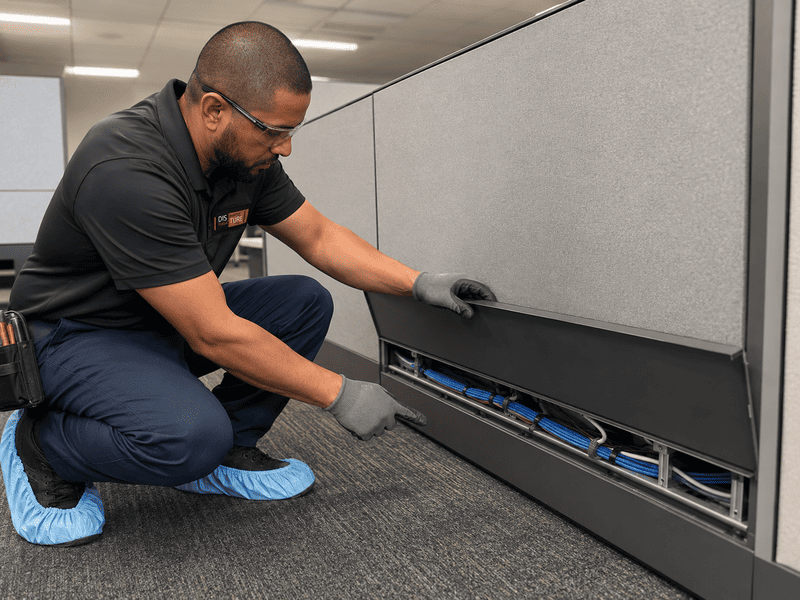
Reconfigure Your Modular Office Layout Flawlessly with Our Professional Cubicle Breakdown and Repair