How to Prepare Office Furniture for Moving and Reinstallation Without Damage
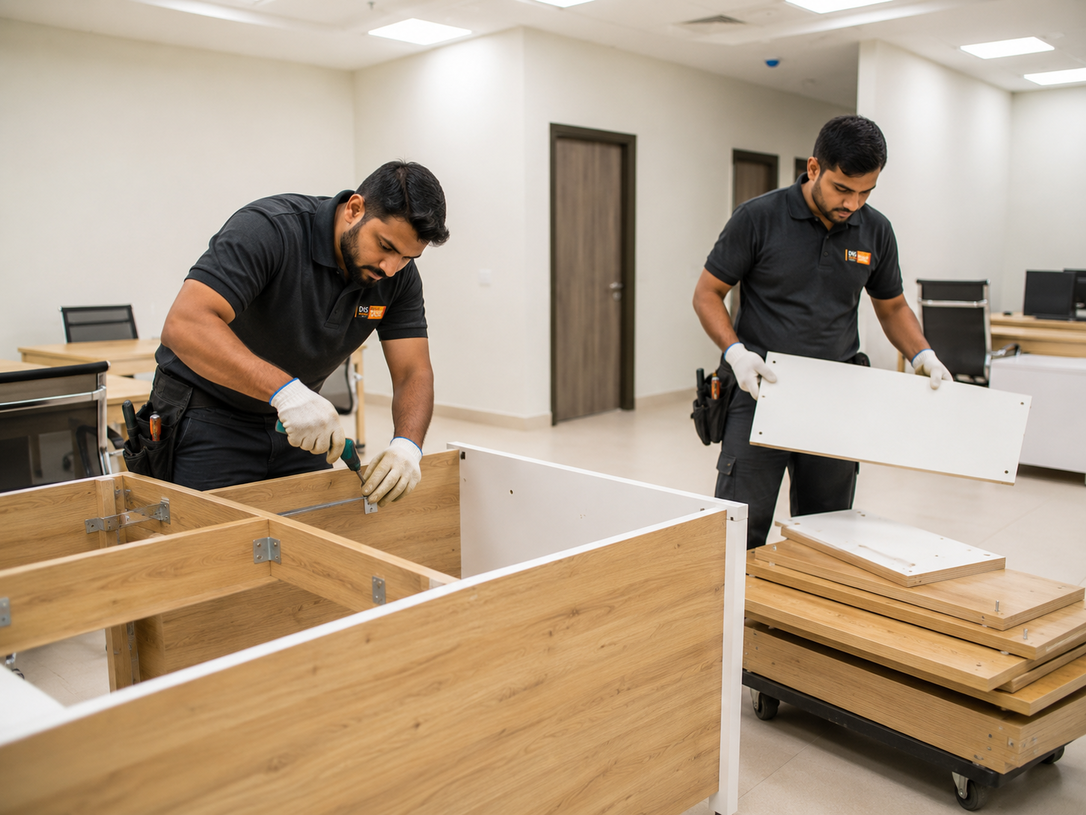
Proper office furniture preparation lowers damage risk, protects every panel and fastener, and keeps a relocation on schedule. Safe disassembly, labeled hardware bags, padded surfaces, and a clear staging plan prevent scratched desks, lost bolts, and reinstallation delays. With organized transport planning, your team unloads, rebuilds, and returns to work faster in the new space.
- Damage prevention starts well before moving day, not after the truck arrives.
- A planned commercial relocation workflow shortens downtime for every department.
- Labeled hardware bags keep every screw, cam lock, and bracket accounted for.
- Padding, wrapping, and stacking rules protect desks, cubicles, and storage units in transit.
- Smoother reinstallation at the new space means employees return to productive work sooner.
Office Furniture Moving Preparation for Safer Relocations
Office furniture often moves on tight deadlines, and rushed prep is where damage starts. Desks get gouged, panel fabric snags, file cabinet drawers pop open, and conference tables crack at the seams. When hardware goes missing or labels are skipped, a corporate move stalls, a school summer turnover slips, a coworking refresh runs late, and a medical office can lose a full day of patient care.
Professional office furniture disassembly and structured preparation solve these issues by combining safe takedown, parts tracking, surface protection, and a documented reinstallation plan that fits the new floor layout.
What Happens When Office Furniture Is Not Prepared Properly for a Move
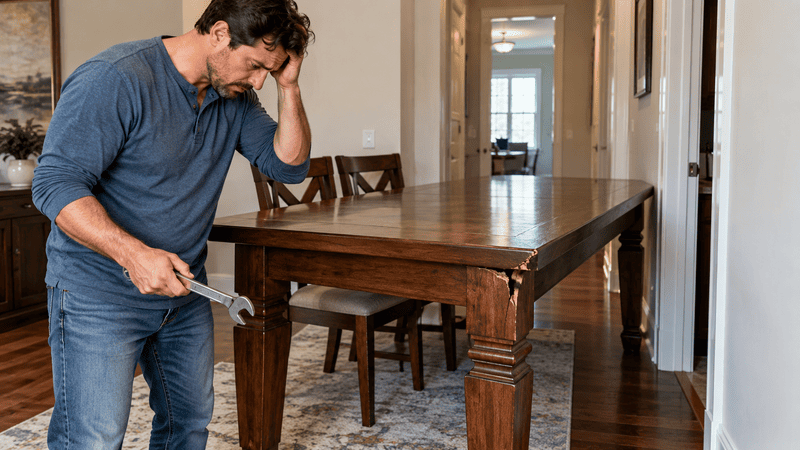
When furniture is not prepared correctly, items arrive scratched, broken, or incomplete, and reinstallation drags on for days. Missing brackets force last-minute hardware runs, loose drawers slide open inside trucks, and unprotected glass tops chip at the edges. The result is higher repair costs, longer downtime, and frustrated staff.
Common consequences include:
- Cracked laminate on executive desks and conference tables
- Bent metal frames on file cabinets and storage towers
- Torn fabric panels on cubicles and acoustic dividers
- Lost cam locks, bolts, and connectors that delay rebuilds
- Damaged monitor arms, keyboard trays, and cable channels
A law firm moving 40 attorney offices over a weekend cannot afford a Monday morning where half the desks are unusable. Following moving liability protection guidelines also helps clarify what is covered if something does go wrong during transport.
Step by Step Approach to Safe Office Furniture Disassembly
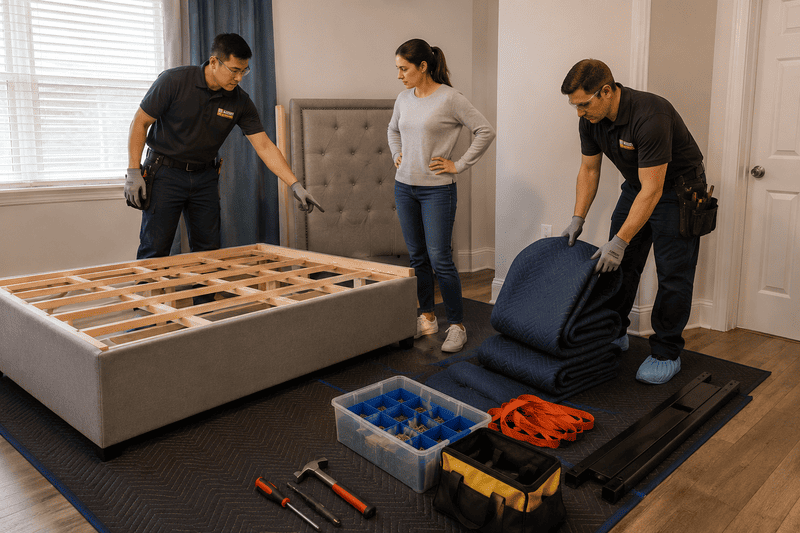
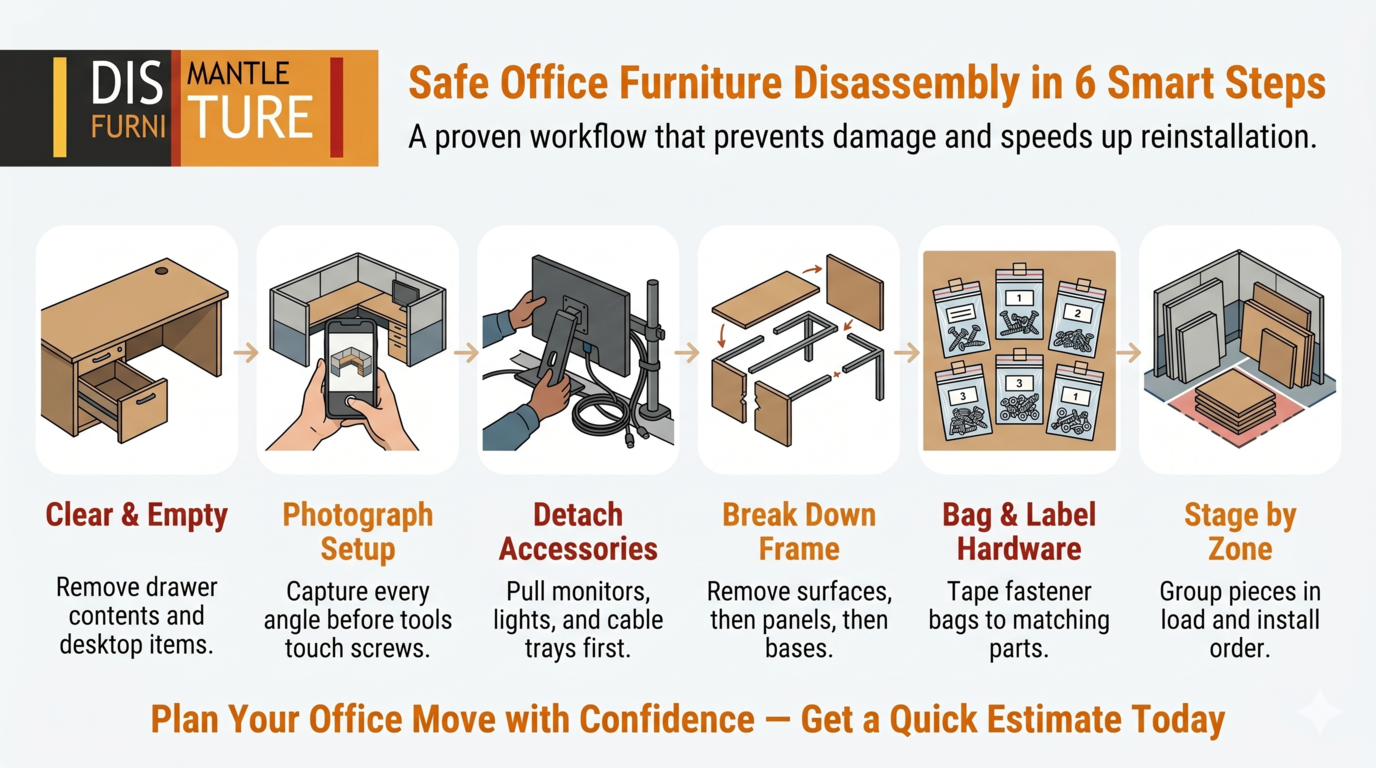
Safe disassembly follows a repeatable sequence: clear the surface, photograph the assembly, remove accessories, then break down the frame. Each piece gets labeled, each fastener is bagged, and each section is staged in the order it will be loaded onto the truck.
A practical workflow looks like this:
- Empty drawers, shelves, and overhead bins, then pack contents separately.
- Photograph each unit from multiple angles before touching a screw.
- Remove monitors, task lights, and cable trays first.
- Detach work surfaces, then panels, then base frames.
- Bag hardware by piece and tape it to the matching component.
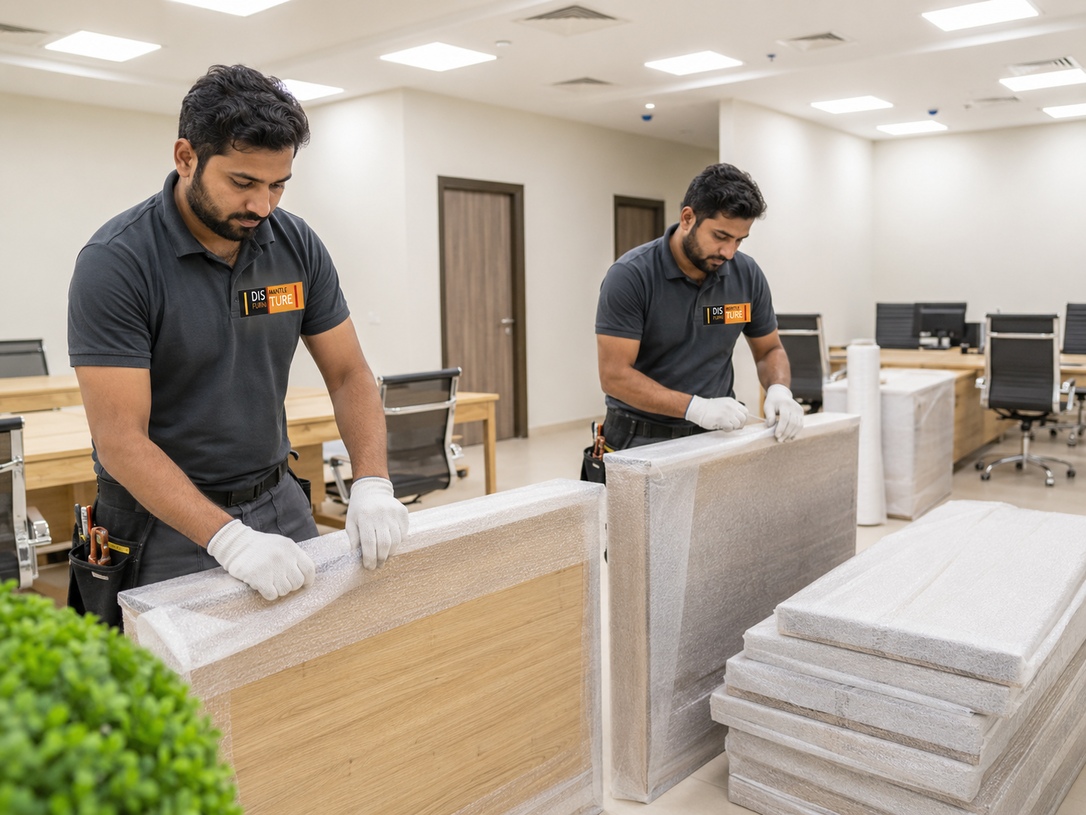
- Wrap finished parts and stage them by destination zone.
For computer equipment that lives on those desks, follow steps to move electronics safely so monitors, docks, and CPUs travel without static or impact damage.
How to Protect Office Furniture During Transport and Storage
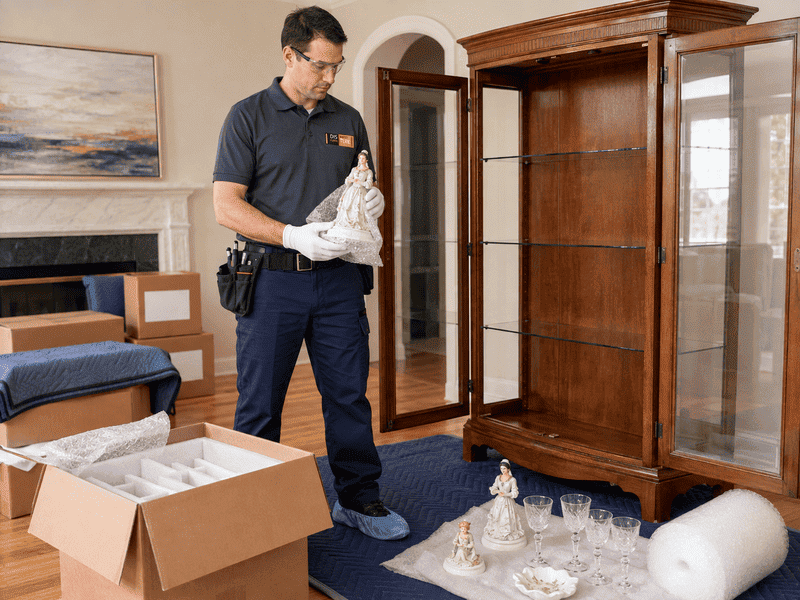
Transport protection means every surface is padded, every drawer is secured, and every load is stacked with weight and fragility in mind. Moving blankets, stretch wrap, corner guards, and edge protectors are the baseline, not an upgrade.
| Furniture Type | Primary Risk | Recommended Protection |
|---|---|---|
| Executive desks | Surface gouges, edge chips | Moving blankets plus corner guards |
| File cabinets | Tipping, drawer slide-out | Strap drawers, transport upright |
| Cubicle panels | Fabric snags, frame bends | Stack flat, separate with cardboard |
| Conference tables | Cracked seams, leg damage | Disassemble bases, wrap tops individually |
| Glass tops and doors | Shattering, edge chips | Custom crates with foam inserts |
| Modular workstations | Lost connectors, panel scuffs | Bagged hardware, labeled by station |
Filing units deserve extra attention since loaded cabinets can shift and injure movers. A short review of filing cabinet safety helps teams strap drawers and secure ballast properly before lifting.
Common Mistakes That Cause Damage During Office Relocations
Most relocation damage traces back to a handful of avoidable mistakes. Crews skip labeling, mix hardware from different desks, drag furniture across floors, or stack heavy units on fragile ones. Tight timelines tempt teams to lift fully loaded cabinets, which strains backs and warps frames.
Frequent mistakes include:
- Skipping pre-move photos of complex assemblies
- Tossing all screws into one container
- Wrapping furniture before cleaning it, which traps grit
- Loading unwrapped items next to metal edges
- Ignoring the manufacturer's disassembly sequence
Office furniture preparation for moving is the process of disassembling, labeling, protecting, and staging each piece so it transports safely and rebuilds correctly. Skipping any one of those steps multiplies the chance of damage and lost time.
Why Hardware Organization Is Critical During Reinstallation
Organized hardware is the difference between a four-hour rebuild and a four-day scramble. Every desk, cubicle, and storage unit ships with dozens of specialized fasteners, and a single missing cam lock can leave a workstation unusable.
Effective systems include:
- Numbered zip-top bags matched to labeled components
- A master inventory sheet listing every bag and piece
- Spare hardware kits for the most common fasteners
- Dedicated bins for tools, keys, and electronic keys
- Clear color coding by department or floor
If anything does go missing in transit, the federal record on lost damaged items explains how claims and recovery work for commercial shipments.
How Cubicles and Modular Systems Require Special Handling
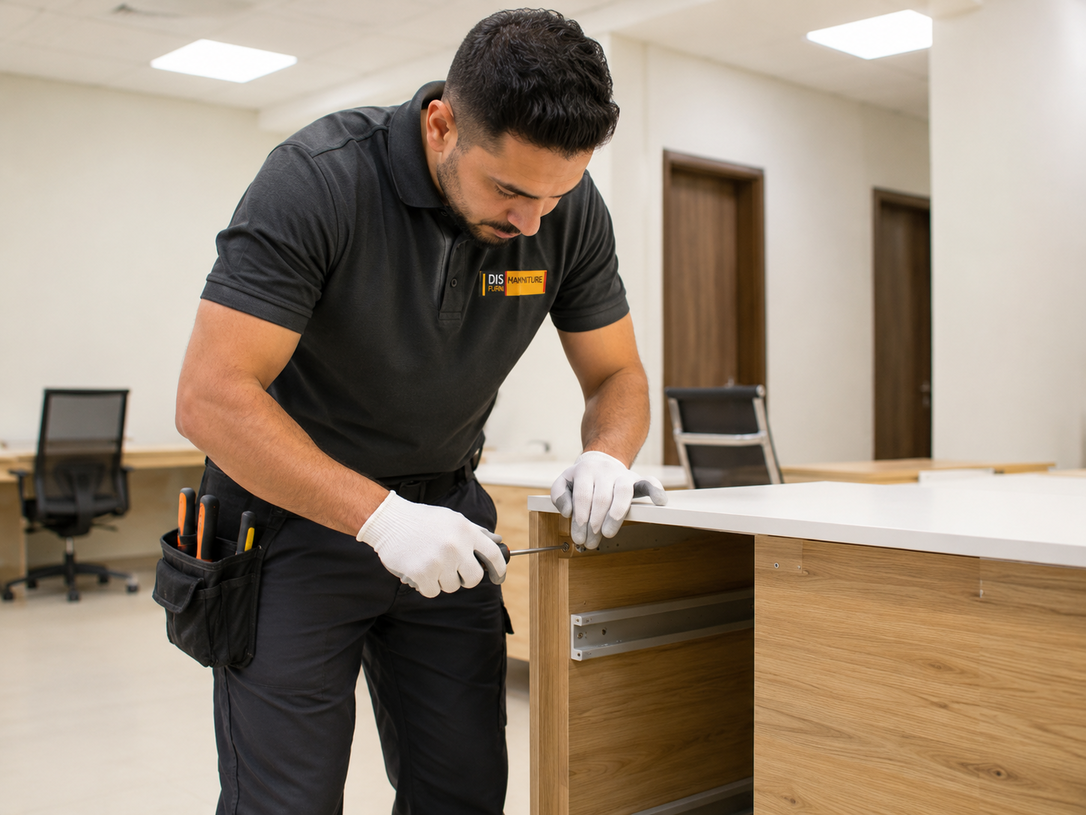
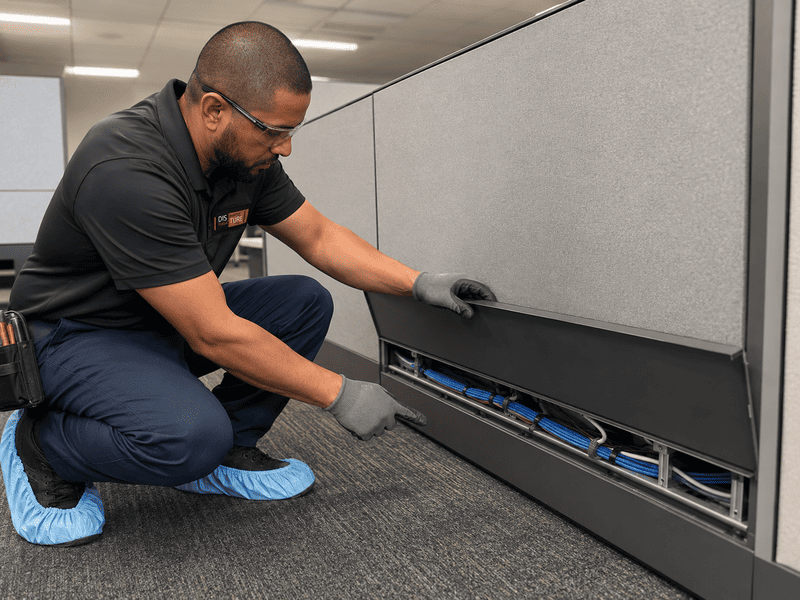
Cubicles and modular systems are engineered as connected ecosystems, so they cannot be pulled apart like a single desk. Panels lock into raceways, power whips feed through specific channels, and worksurfaces cantilever off shared frames. One wrong move bends a connector and the entire run becomes unstable.
Professional crews map the floor plan, label each panel by station and orientation, and disconnect power components in the correct sequence. For larger reconfigurations, an office cubicle installation reference helps facility teams plan power, data, and panel sequencing before crews arrive. Coworking operators and growing tech offices benefit most when this planning happens two to three weeks ahead of the move.
What to Expect During Professional Reinstallation Services
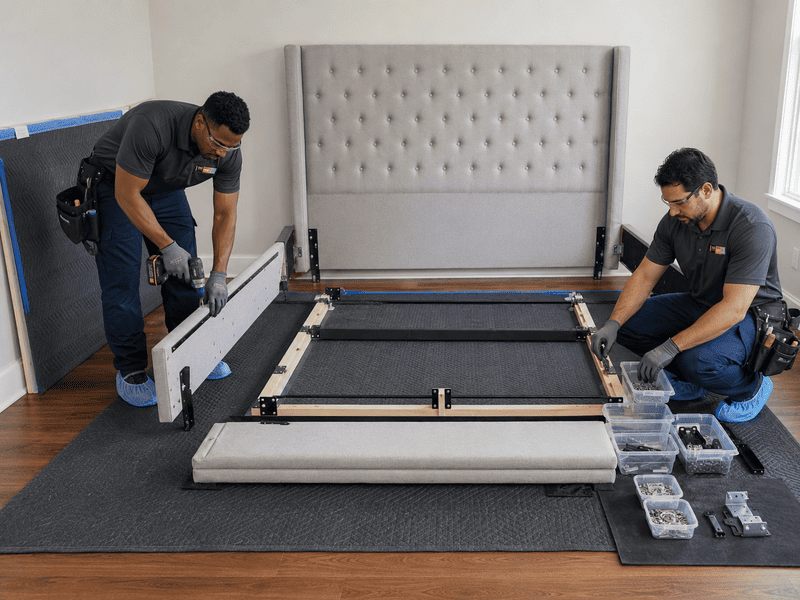
Professional reinstallation begins with the floor plan and ends with a punch-list walkthrough. Crews stage components by zone, rebuild in the documented order, level every surface, and reconnect power and data. Cable management, drawer alignment, and keying systems are tested before the job closes.
Detailed Floor Plan Review
The lead installer confirms each workstation location, power feed, and panel height against the approved drawing. Any conflicts with sprinklers, columns, or outlets are flagged before assembly starts.
Quality Checks at Every Stage
Crews check level, plumb, and stability after each station. Drawers are cycled, locks are tested, and any factory defects are logged for warranty follow-up. The same care applies to private offices, training rooms, and reception areas.
For smaller satellite or remote setups, a quick guide to home office setup helps hybrid employees mirror the comfort and storage of their main workspace.
How Commercial Moving Teams Coordinate Furniture Setup
Commercial moving teams coordinate setup through a single point of contact, a shared schedule, and zone-based crew assignments. The project lead aligns the disassembly crew, the transport team, and the reinstallation crew so each phase hands off cleanly to the next without idle time on either end.
Key coordination steps include:
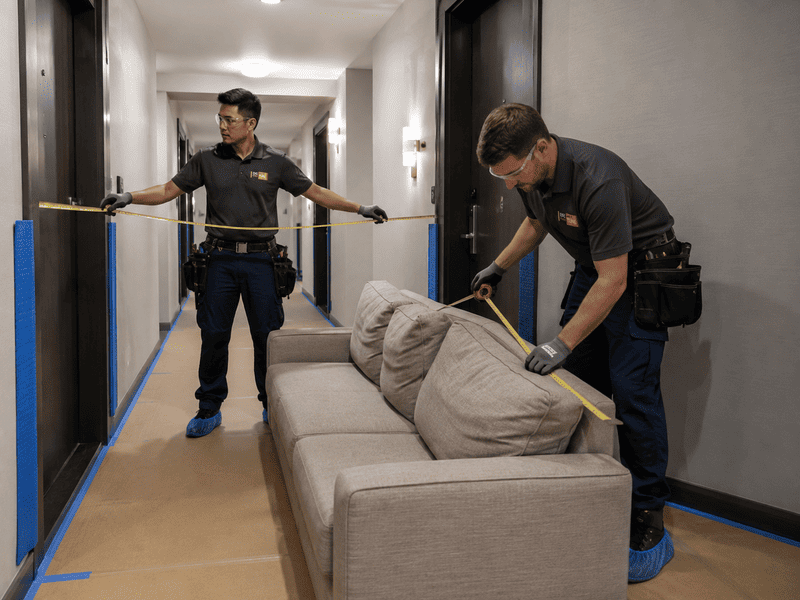
- Pre-move site survey at both origin and destination
- Color-coded labels tied to the new floor plan
- Staggered load times to match elevator and dock windows
- Dedicated reinstallation leads per floor or department
- End-of-day progress reports for facility managers
Government offices and school districts often combine moves with refresh cycles, so old or surplus items need disposal recycling support to keep the new space clean and compliant.
When Businesses Should Hire Professional Disassembly Services
Businesses should hire professionals whenever the move involves cubicles, modular systems, heavy storage, glass, or more than a handful of workstations. In-house teams can handle a few desks, but full-floor relocations, medical suites, and conference room rebuilds need trained crews with the right tools and insurance.
Strong signals to hire help include:
- More than 10 workstations or any cubicle run
- Tight after-hours or weekend timelines
- Medical, legal, or government compliance requirements
- High-value executive or conference furniture
- Multi-floor moves with elevator scheduling
Universities planning dorm and admin turnover often pair office moves with student housing setup so the entire campus reopens on schedule. For mixed scopes that include desks, cabinets, and reception pieces, our commercial furniture services cover the full disassembly, transport prep, and reinstallation cycle. Specialized work like cubicle desk disassembly is handled by crews trained on every major systems-furniture brand, and remote staff outfitting can lean on a dedicated home office furniture workflow.
Get Professional Office Furniture Preparation Help
Dismantle Furniture handles safe disassembly, hardware organization, protective wrapping, efficient transport prep, and full reinstallation at your new space. Whether you are relocating a medical office, refreshing a coworking floor, or moving an entire corporate headquarters, our crews keep your furniture intact and your timeline on track.
Request a quick relocation estimate to lock in your dates, and if your new lobby or break area needs recreation extras, ask about driveway basketball hoop installation for outdoor staff spaces during the same visit.
Frequently Asked Questions About Office Furniture Moving
How do you prepare office furniture for moving?
Start by emptying every drawer and shelf, then photograph each unit before disassembly. Label parts, bag hardware by component, wrap surfaces with blankets, and stage everything by destination zone for easier loading.
What is the safest way to disassemble office furniture?
Work from the top down, removing accessories first, then work surfaces, then panels, then frames. Use the correct drivers, follow the manufacturer's sequence, and keep two people on any piece larger than a single desk.
How do you protect furniture during office relocation?
Pad every surface with moving blankets, add corner guards on edges, strap drawers shut, and wrap fabric panels in clean stretch film. Stack flat items separately and never place heavy units on fragile ones.
Do businesses need professionals for office furniture moving?
Yes, especially for cubicles, modular systems, glass tops, or any move over ten workstations. Professional crews bring the right tools, insurance, and experience to prevent damage and keep timelines tight.
How long does office furniture disassembly take?
A single desk takes 20 to 45 minutes, while a full cubicle workstation runs one to two hours. A 50-person office can usually be disassembled in one to two business days with a trained crew.
How should hardware be organized during relocation?
Use numbered zip-top bags tied to each labeled component, then track everything on a master inventory sheet. Keep tools, keys, and spare fasteners in dedicated bins separate from the furniture itself.
What mistakes damage office furniture during moves?
The biggest culprits are mixing hardware between units, dragging items across floors, stacking heavy pieces on fragile ones, and skipping pre-move photos. Rushed timelines without a written plan also cause repeated damage.
Can office furniture be reinstalled after a move?
Yes, almost all modern office furniture is designed for repeated disassembly and reinstallation. Proper labeling, organized hardware, and an updated floor plan are what make a clean rebuild possible at the new space.
Reconfigure Your Modular Office Layout Flawlessly with Our Professional Cubicle Breakdown and Repair